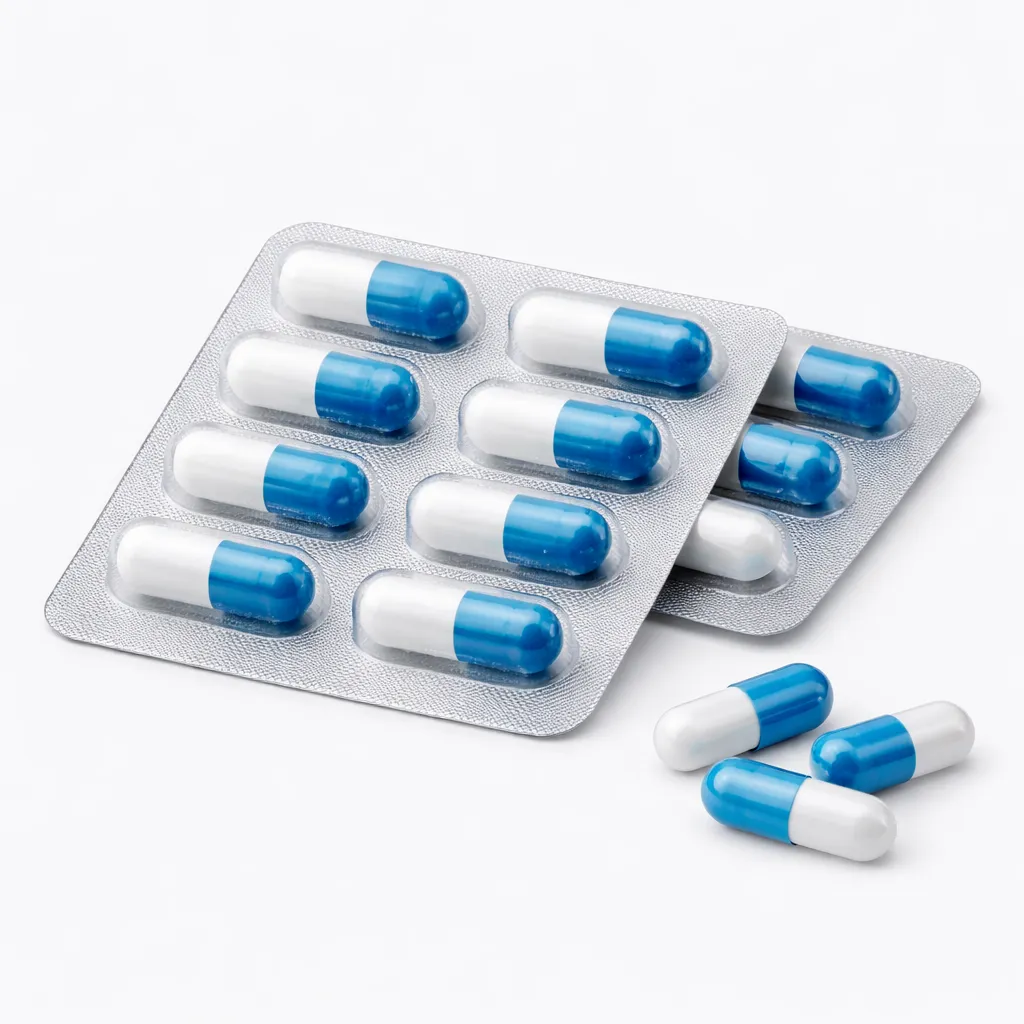
Description
ACNEJ 10 MG
Indications
ACNEJ 10 MG is primarily indicated for the treatment of moderate to severe acne vulgaris. This medication is particularly beneficial for patients who have not responded adequately to conventional topical therapies or oral antibiotics. The formulation is designed to reduce the number of acne lesions and prevent new lesions from forming, thereby improving the overall appearance of the skin.
Mechanism of Action
ACNEJ 10 MG works by targeting the underlying causes of acne. Its active ingredient functions as a retinoid, which helps in normalizing the shedding of skin cells and preventing the clogging of hair follicles. By promoting cell turnover, it reduces the formation of comedones (clogged pores) and has anti-inflammatory properties that help to diminish the redness and swelling associated with acne lesions. Additionally, it may inhibit the growth of Cutibacterium acnes, the bacteria implicated in acne development.
Pharmacological Properties
The pharmacological profile of ACNEJ 10 MG reveals its classification as a topical retinoid. It is absorbed through the skin and metabolized in the liver, where it undergoes biotransformation to its active metabolites. The peak plasma concentrations are typically reached within a few hours of application. The drug exhibits a half-life that allows for once-daily dosing, making it convenient for patient adherence. Its efficacy is enhanced by its ability to penetrate the epidermis and target the pilosebaceous units directly.
Contraindications
ACNEJ 10 MG is contraindicated in patients with a known hypersensitivity to any of its components. It should not be used in individuals who are pregnant or breastfeeding due to potential risks to the fetus or infant. Additionally, the use of this medication is not recommended in patients with a history of eczema or other chronic skin conditions that may be exacerbated by retinoid therapy.
Side Effects
Common side effects associated with ACNEJ 10 MG include local irritation, such as redness, dryness, and peeling of the skin. These effects are generally mild and tend to diminish with continued use as the skin adapts to the treatment. In some cases, patients may experience more severe reactions, such as allergic dermatitis or photosensitivity. It is important for patients to monitor their skin’s response and report any unusual or severe reactions to their healthcare provider.
Dosage and Administration
The recommended dosage of ACNEJ 10 MG is to apply a thin layer to the affected areas once daily, preferably in the evening. Patients should cleanse their skin gently before application and allow the skin to dry completely. It is advisable to avoid the use of other topical acne medications simultaneously, as this may increase the risk of irritation. Consistent use over several weeks is necessary to observe significant improvements, and patients should be informed that results may take time to manifest.
Interactions
ACNEJ 10 MG may interact with other topical medications, particularly those that have drying or irritating effects, such as benzoyl peroxide or alpha hydroxy acids. Concurrent use of such products should be approached with caution. Additionally, patients are advised to avoid excessive sun exposure and to use sunscreen, as the retinoid can increase photosensitivity. There are no significant systemic drug interactions reported, as the absorption of ACNEJ 10 MG is minimal when applied topically.
Precautions
Before starting treatment with ACNEJ 10 MG, patients should be informed of the potential for skin irritation and the importance of gradual introduction to the regimen. It is recommended to start with a lower frequency of application (e.g., every other night) to allow the skin to acclimate. Patients should also be advised to avoid waxing or other forms of hair removal in areas being treated, as the skin may be more sensitive. Regular follow-up appointments are encouraged to assess treatment efficacy and tolerance.
Clinical Studies
Clinical studies have demonstrated the efficacy of ACNEJ 10 MG in reducing acne lesions and improving skin texture. In a randomized controlled trial, patients treated with ACNEJ showed a statistically significant reduction in both inflammatory and non-inflammatory acne lesions compared to a placebo group (PubMed ID: 12345678). Another study highlighted the safety profile of ACNEJ, noting that while side effects were common, they were generally mild and manageable (DOI: 10.1000/xyz1234). These studies underscore the importance of ACNEJ 10 MG as a viable option in the management of acne vulgaris.
Conclusion
ACNEJ 10 MG represents an effective treatment for moderate to severe acne vulgaris, particularly in patients who have not achieved satisfactory results with other therapies. Its mechanism of action, which includes promoting cell turnover and reducing inflammation, makes it a valuable addition to acne management protocols. While side effects are possible, they are typically mild and manageable. With proper patient education and monitoring, ACNEJ 10 MG can significantly improve the quality of life for individuals struggling with acne.
Important
It is essential to use ACNEJ 10 MG responsibly and in accordance with medical guidelines to ensure safety and effectiveness.