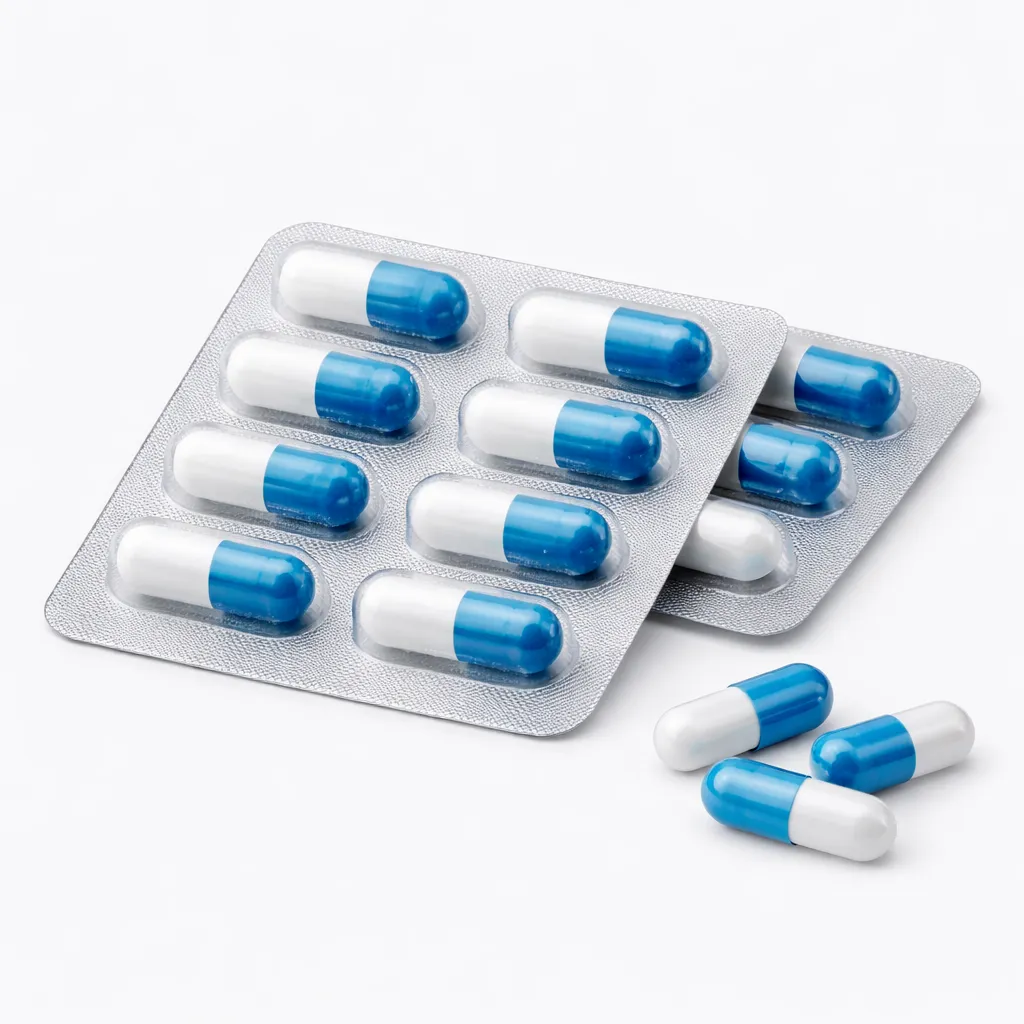
Description
ACROTAC 25 MG (1X20)
Indications
ACROTAC 25 MG is primarily indicated for the treatment of various dermatological conditions, particularly psoriasis and acne. Psoriasis is a chronic autoimmune skin disorder characterized by the rapid proliferation of skin cells, leading to thick, scaly patches on the skin. Acne, on the other hand, is a common inflammatory condition of the skin that occurs when hair follicles become clogged with oil and dead skin cells. ACROTAC is formulated to alleviate the symptoms associated with these conditions, promoting healthier skin and reducing the frequency of flare-ups.
Mechanism of Action
The active ingredient in ACROTAC is acitretin, a synthetic retinoid that functions by modulating the growth and differentiation of skin cells. Acitretin binds to retinoic acid receptors in the skin, leading to a decrease in keratinocyte proliferation and an increase in cell differentiation. This action helps to normalize the hyperproliferation of skin cells seen in psoriasis and acne. Additionally, acitretin exhibits anti-inflammatory properties, which further contribute to its efficacy in treating these conditions.
Pharmacological Properties
Acitretin is well-absorbed following oral administration, with peak plasma concentrations typically occurring within 2 to 4 hours. The bioavailability of acitretin can be enhanced when taken with food. The drug is extensively metabolized in the liver, with its metabolites exhibiting similar pharmacological activity. The elimination half-life of acitretin is approximately 49 hours, although this can vary based on individual patient factors. It is primarily excreted in the urine and feces.
Contraindications
ACROTAC is contraindicated in several situations. It should not be used in individuals who are pregnant or planning to become pregnant, as acitretin is known to cause severe fetal malformations. Additionally, it is contraindicated in patients with hypersensitivity to acitretin or any of the excipients in the formulation. Patients with liver disease, hyperlipidemia, or excessive alcohol consumption should also avoid using this medication due to the potential for exacerbating these conditions.
Side Effects
As with any pharmacological treatment, ACROTAC may cause side effects. Commonly reported adverse effects include dryness of the skin, lips, and mucous membranes, as well as pruritus and erythema. Other potential side effects can include elevated triglyceride levels, liver enzyme abnormalities, and, in rare cases, more serious effects such as pancreatitis or severe allergic reactions. Patients should be monitored regularly for these side effects, especially during the initial stages of treatment.
Dosage and Administration
The recommended dosage of ACROTAC varies based on the severity of the condition being treated and individual patient factors. For adults, the typical starting dose is 25 mg once daily, which may be adjusted based on clinical response and tolerability. It is advisable to take the medication with food to enhance absorption. Treatment duration may vary, but it is generally recommended to continue until satisfactory improvement is achieved, often requiring several weeks to months of therapy.
Interactions
ACROTAC may interact with several other medications, which could affect its efficacy or increase the risk of side effects. Concurrent use of tetracycline antibiotics may increase the risk of intracranial hypertension. Additionally, the use of ACROTAC with other retinoids or vitamin A supplements should be avoided due to the potential for additive effects and toxicity. Patients should inform their healthcare provider of all medications they are currently taking to avoid potential interactions.
Precautions
Patients using ACROTAC should be counseled on the importance of adhering to the prescribed dosage and monitoring for side effects. Special precautions should be taken in individuals with a history of depression or psychiatric disorders, as retinoids have been associated with mood changes in some patients. Women of childbearing potential should be advised to use effective contraception during treatment and for at least three years after discontinuation of the medication due to the risk of teratogenic effects. Regular follow-up appointments are essential for monitoring lipid levels and liver function during therapy.
Clinical Studies
Clinical studies have demonstrated the effectiveness of acitretin in treating psoriasis and acne. In a randomized controlled trial involving patients with moderate to severe psoriasis, acitretin significantly reduced the Psoriasis Area and Severity Index (PASI) scores compared to placebo, indicating a marked improvement in skin condition. Another study focused on acne treatment showed that patients receiving acitretin experienced a substantial reduction in inflammatory lesions and overall acne severity. These findings underscore the therapeutic potential of ACROTAC in managing challenging dermatological conditions.
Important
It is essential to use ACROTAC responsibly and under the guidance of a healthcare professional. Proper medical supervision ensures the safe and effective use of this medication, minimizing risks and optimizing therapeutic outcomes.
Conclusion
ACROTAC 25 MG is a valuable therapeutic option for patients suffering from psoriasis and acne. Its mechanism of action, pharmacological properties, and clinical efficacy make it an important tool in dermatological practice. However, careful consideration of contraindications, potential side effects, and drug interactions is crucial for ensuring patient safety. With appropriate monitoring and patient education, ACROTAC can significantly improve the quality of life for individuals affected by these chronic skin conditions.