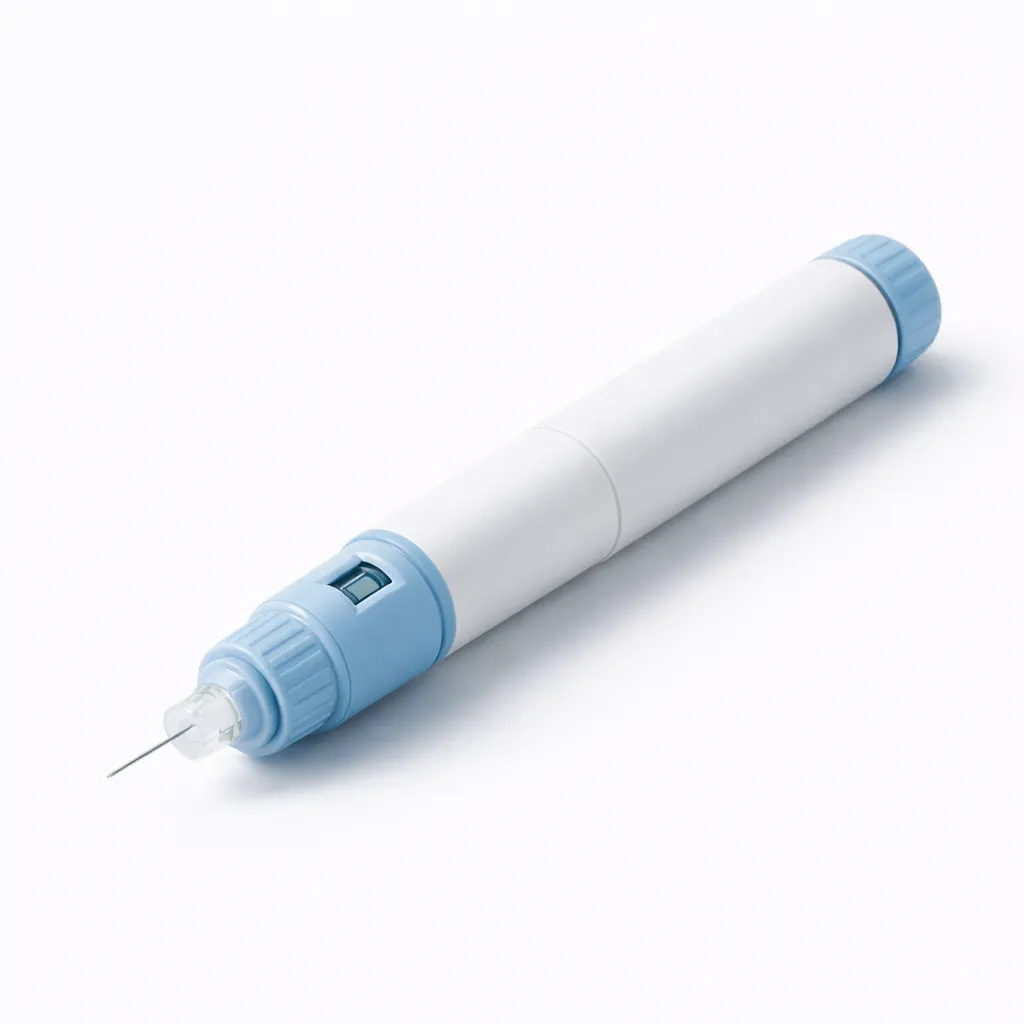
Description
ACTON PROLONGATUM 60 IU 5ML
Indications
ACTON PROLONGATUM 60 IU 5ML is primarily indicated for the management of diabetes mellitus in patients requiring insulin therapy. It is particularly useful for individuals with Type 1 diabetes, where the pancreas produces little to no insulin, and for those with Type 2 diabetes who cannot achieve adequate glycemic control with oral hypoglycemic agents alone. The formulation is designed to provide a prolonged release of insulin, helping to maintain stable blood glucose levels over an extended period.
Mechanism of Action
ACTON PROLONGATUM contains insulin, a hormone produced by the pancreas that regulates glucose metabolism. Upon administration, it facilitates the uptake of glucose by muscle and adipose tissues, thereby lowering blood glucose levels. The prolonged action of this formulation is attributed to its unique formulation, which allows for a slower absorption rate compared to regular insulin. This results in a more stable and sustained insulin effect, reducing the frequency of injections required and improving patient compliance.
Pharmacological Properties
ACTON PROLONGATUM is classified as a long-acting insulin. Its pharmacokinetic profile is characterized by a gradual onset of action, typically within 1 to 2 hours after subcutaneous injection, with a peak effect occurring between 4 to 12 hours. The duration of action can last up to 24 hours, making it suitable for once-daily dosing. This prolonged effect helps to cover the basal insulin requirements of patients, especially during fasting periods such as overnight.
Contraindications
ACTON PROLONGATUM should not be used in patients with hypersensitivity to insulin or any of the excipients in the formulation. It is also contraindicated in individuals experiencing episodes of hypoglycemia, as the administration of insulin in such cases can exacerbate the condition. Additionally, caution should be exercised in patients with renal or hepatic impairment, as these conditions may affect insulin metabolism and clearance.
Side Effects
The use of ACTON PROLONGATUM may be associated with several side effects, the most common of which include hypoglycemia, weight gain, and injection site reactions such as redness, swelling, or itching. Other potential side effects may include allergic reactions, lipodystrophy at the injection site, and, in rare cases, severe allergic reactions. Patients should be monitored regularly for signs of hypoglycemia, particularly during the initiation of therapy or when adjusting dosages.
Dosage and Administration
ACTON PROLONGATUM is administered via subcutaneous injection, typically in the thigh, abdomen, or upper arm. The recommended dosage is individualized based on the patient’s blood glucose levels, dietary intake, and physical activity. It is generally advised to initiate therapy at a low dose and titrate gradually to achieve optimal glycemic control. Patients should be instructed on proper injection techniques and the importance of rotating injection sites to minimize the risk of lipodystrophy.
Interactions
ACTON PROLONGATUM may interact with various medications, potentially affecting glycemic control. Drugs that can enhance the hypoglycemic effect of insulin include oral antidiabetic agents, beta-blockers, and certain antibiotics. Conversely, medications such as corticosteroids, diuretics, and thyroid hormones may reduce the effectiveness of insulin, leading to increased blood glucose levels. It is crucial for healthcare providers to review a patient’s complete medication list to manage potential interactions effectively.
Precautions
Patients using ACTON PROLONGATUM should be educated about the signs and symptoms of hypoglycemia, which can include dizziness, sweating, confusion, and palpitations. It is essential for patients to carry a source of fast-acting glucose at all times. Additionally, patients with a history of hypoglycemia unawareness should be monitored closely. Regular blood glucose monitoring is recommended to ensure that the patient maintains optimal glycemic control and to adjust insulin dosages as needed. Special care should be taken in patients with cardiovascular disease, as they may be at higher risk for complications related to hypoglycemia.
Clinical Studies
Clinical studies have demonstrated the efficacy of ACTON PROLONGATUM in achieving glycemic control in patients with diabetes. In a randomized controlled trial, patients using ACTON PROLONGATUM showed significant reductions in HbA1c levels compared to those receiving standard insulin therapy. Additionally, the long-acting formulation was associated with a lower incidence of hypoglycemic episodes, particularly during the night. These findings support the use of ACTON PROLONGATUM as a beneficial option for managing diabetes in a diverse patient population.
Conclusion
ACTON PROLONGATUM 60 IU 5ML is a valuable therapeutic option for patients with diabetes mellitus requiring insulin therapy. Its prolonged action provides a stable insulin effect, making it suitable for once-daily administration. While it is generally well-tolerated, healthcare providers must monitor patients for potential side effects and interactions with other medications. With appropriate management and patient education, ACTON PROLONGATUM can significantly improve glycemic control and enhance the quality of life for individuals living with diabetes.
Important
It is essential to use ACTON PROLONGATUM responsibly and under the supervision of a qualified healthcare professional. Patients should adhere to prescribed dosages and maintain regular follow-ups to ensure optimal management of their condition.