Description
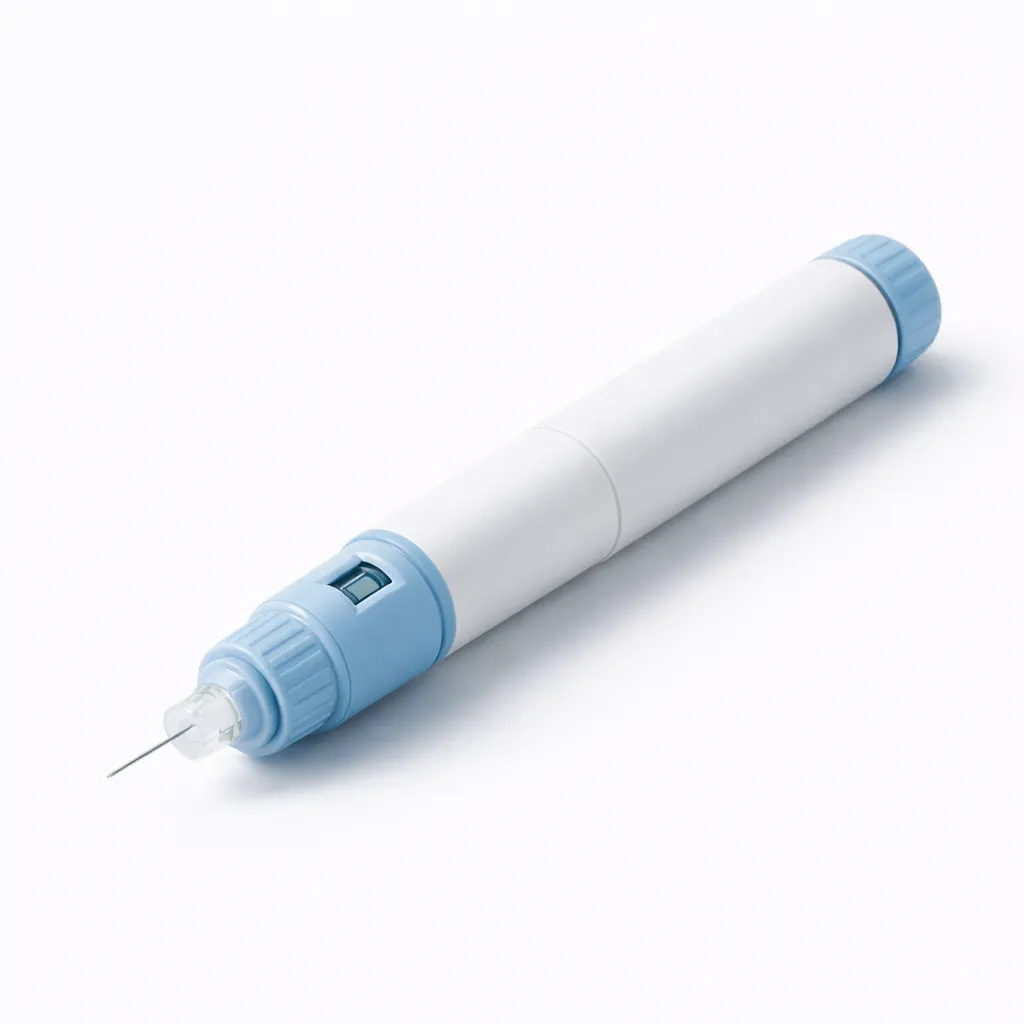
ACTRAPID FLEX PEN 100 IU
Indications
ACTRAPID FLEX PEN 100 IU is indicated for the treatment of diabetes mellitus in adults, adolescents, and children aged 2 years and older. It is used to improve glycemic control in patients with type 1 and type 2 diabetes. This insulin formulation is particularly beneficial for patients who require rapid-acting insulin to manage postprandial blood glucose levels effectively.
Mechanism of Action
ACTRAPID FLEX PEN contains human insulin, which is a short-acting insulin analog. The primary mechanism of action involves the binding of insulin to insulin receptors on target cells, facilitating the uptake of glucose into cells, particularly muscle and adipose tissues. By promoting glucose uptake and inhibiting hepatic glucose production, ACTRAPID helps to lower blood glucose levels. The rapid onset of action, typically within 30 minutes after subcutaneous administration, allows for effective management of blood glucose spikes following meals.
Pharmacological Properties
ACTRAPID FLEX PEN is characterized by its pharmacokinetic profile, which includes a rapid onset and a relatively short duration of action. After subcutaneous injection, the peak plasma concentration of insulin occurs approximately 1 to 3 hours post-injection, with a duration of action lasting up to 8 hours. The pharmacodynamics of ACTRAPID is influenced by factors such as injection site, blood flow, and temperature. The formulation is designed to provide predictable absorption and action, making it suitable for mealtime insulin coverage.
Contraindications
ACTRAPID FLEX PEN is contraindicated in individuals with a known hypersensitivity to insulin or any of the excipients in the formulation. It should not be used in patients experiencing episodes of hypoglycemia or in those with diabetic ketoacidosis, as these conditions require immediate medical intervention. Caution is advised in patients with renal or hepatic impairment, as insulin clearance may be altered in these populations.
Side Effects
As with any medication, ACTRAPID FLEX PEN may cause side effects. The most common adverse reactions include hypoglycemia, which can manifest as sweating, tremors, palpitations, and confusion. Other potential side effects include injection site reactions, such as redness, swelling, or itching. Rarely, patients may experience allergic reactions, including anaphylaxis. Continuous monitoring of blood glucose levels is essential to mitigate the risk of hypoglycemia and to ensure appropriate dosage adjustments.
Dosage and Administration
ACTRAPID FLEX PEN is administered subcutaneously, typically in the abdominal area, thigh, or upper arm. The dosage is individualized based on the patient’s blood glucose levels, dietary intake, and physical activity. It is recommended to initiate treatment under the supervision of a healthcare professional. The usual starting dose for adults is 0.5 to 1.0 IU/kg body weight per day, adjusted according to individual needs. Patients should be instructed on the proper technique for using the Flex Pen, including priming the pen, selecting the dose, and rotating injection sites to prevent lipodystrophy.
Interactions
ACTRAPID FLEX PEN may interact with various medications, which can affect insulin requirements and blood glucose levels. Drugs that may potentiate the effects of insulin include oral hypoglycemics, beta-blockers, and certain antipsychotics. Conversely, medications such as corticosteroids, thiazide diuretics, and sympathomimetics may reduce the effectiveness of insulin, leading to hyperglycemia. Patients should inform their healthcare providers of all medications they are taking, including over-the-counter drugs and supplements, to facilitate appropriate management of their diabetes.
Precautions
Patients using ACTRAPID FLEX PEN should be educated about the signs and symptoms of hypoglycemia and hyperglycemia. It is crucial to monitor blood glucose levels regularly and to adjust insulin doses based on dietary intake and physical activity. Special precautions should be taken in populations such as the elderly, pregnant women, and those with pre-existing medical conditions. Patients should also be advised to carry a source of fast-acting glucose at all times in case of hypoglycemic episodes.
Clinical Studies
Clinical studies have demonstrated the efficacy of ACTRAPID FLEX PEN in managing blood glucose levels in patients with diabetes. In a randomized controlled trial, patients using ACTRAPID showed significant reductions in HbA1c levels compared to those on placebo. Furthermore, studies have indicated that the use of rapid-acting insulin, such as ACTRAPID, in conjunction with long-acting insulin, can improve overall glycemic control and reduce the risk of complications associated with diabetes. Ongoing research continues to explore the long-term effects and safety profile of ACTRAPID in diverse patient populations.
Conclusion
ACTRAPID FLEX PEN 100 IU is a valuable tool in the management of diabetes mellitus, offering rapid control of postprandial blood glucose levels. With its predictable pharmacokinetic profile and ease of administration, it is suitable for a wide range of patients. However, careful monitoring and individualized treatment plans are essential to optimize therapy and minimize the risk of adverse effects. Patients should work closely with their healthcare providers to ensure effective management of their diabetes and to address any concerns regarding their treatment regimen.
Important
It is essential to use ACTRAPID FLEX PEN responsibly and as prescribed by a healthcare professional. Regular monitoring of blood glucose levels and adherence to dietary guidelines are critical components of diabetes management. Always consult with a healthcare provider for personalized advice and adjustments to your treatment plan.