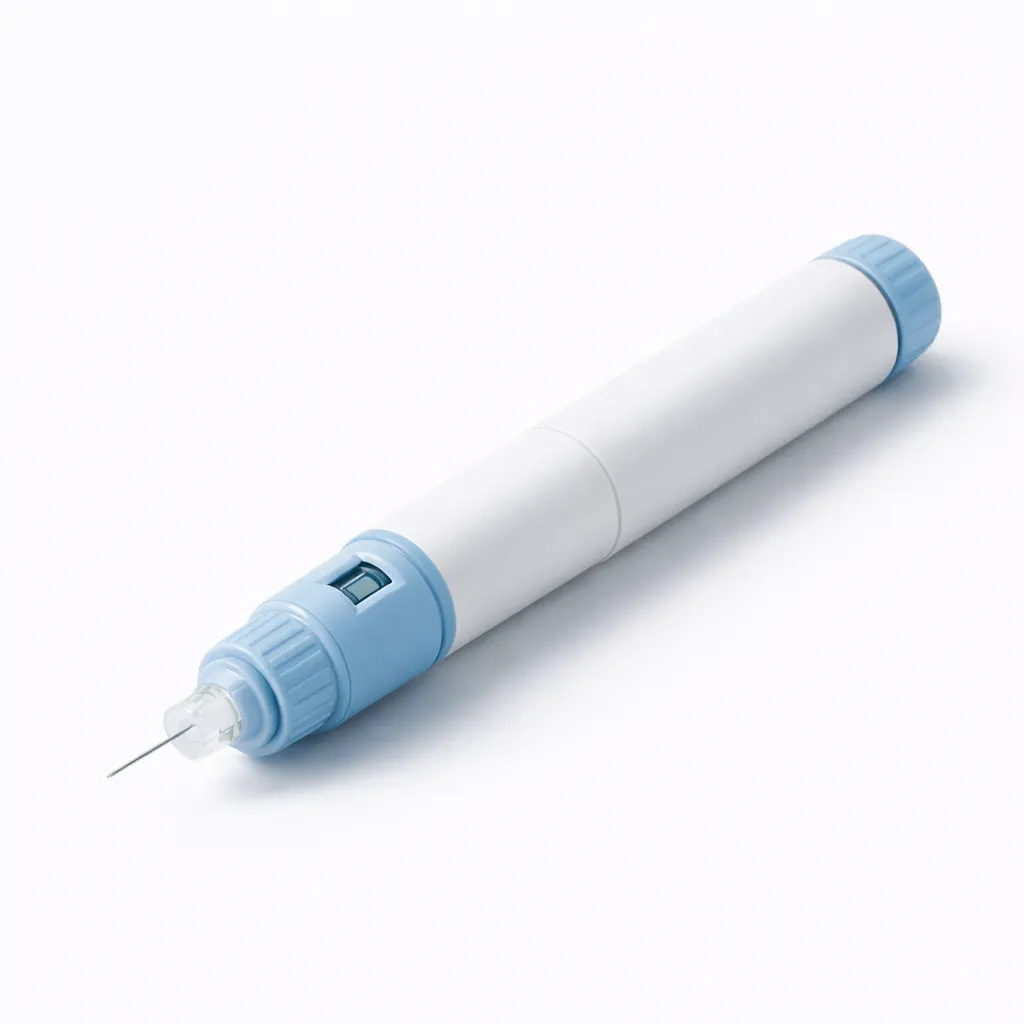
Description
ALDOL 100 MG
Indications
ALDOL 100 MG is primarily indicated for the treatment of various conditions related to metabolic disorders. It is often prescribed for patients with type 2 diabetes mellitus to help manage blood glucose levels effectively. Additionally, ALDOL may be utilized in the management of obesity and weight-related complications, as it aids in the regulation of appetite and metabolic processes. The medication is also being investigated for its potential benefits in other metabolic syndromes, making it a versatile option in clinical practice.
Mechanism of Action
The active ingredient in ALDOL, which is not specified in this overview, generally works by influencing specific pathways in glucose metabolism. It enhances insulin sensitivity, thereby facilitating the uptake of glucose by cells. This action helps to lower blood glucose levels in individuals with insulin resistance. Furthermore, ALDOL may also impact the central nervous system, leading to reduced appetite and subsequent weight loss in obese patients. The precise mechanism may vary depending on the active compound, but the overall goal remains the same: to improve metabolic health.
Pharmacological Properties
ALDOL 100 MG possesses several pharmacological properties that contribute to its effectiveness. The drug is rapidly absorbed in the gastrointestinal tract, achieving peak plasma concentrations within a few hours after administration. It has a half-life that allows for once-daily dosing, which enhances patient compliance. The medication is metabolized primarily in the liver, with metabolites excreted through the urine. The pharmacodynamics of ALDOL suggest that it not only lowers blood glucose levels but also promotes weight loss, making it an attractive option for patients struggling with obesity and metabolic disorders.
Contraindications
ALDOL 100 MG is contraindicated in several situations. It should not be used in patients with a known hypersensitivity to the active ingredient or any of the excipients in the formulation. Additionally, individuals with severe renal impairment or hepatic dysfunction should avoid this medication due to the increased risk of adverse effects and potential toxicity. Pregnant or breastfeeding women are also advised against using ALDOL, as its safety profile in these populations has not been adequately established. Always consult a healthcare professional before starting any new medication.
Side Effects
As with any medication, ALDOL 100 MG may cause side effects. Commonly reported adverse reactions include gastrointestinal disturbances such as nausea, diarrhea, and abdominal pain. Some patients may experience dizziness or headaches. In rare cases, more severe side effects may occur, including hypoglycemia, allergic reactions, or liver enzyme elevations. It is crucial for patients to monitor their response to the medication and report any concerning symptoms to their healthcare provider promptly. Regular follow-up appointments can help manage and mitigate potential side effects effectively.
Dosage and Administration
The recommended dosage of ALDOL 100 MG typically begins at one tablet taken orally once daily. Depending on the patient’s response and tolerance, healthcare providers may adjust the dosage accordingly. It is essential to take the medication consistently at the same time each day to maintain stable blood levels. Patients are advised to follow their healthcare provider’s instructions closely and not to exceed the prescribed dose. In cases of missed doses, patients should take the missed dose as soon as they remember, unless it is close to the time for the next dose. In such instances, they should skip the missed dose and resume their regular dosing schedule.
Interactions
ALDOL 100 MG may interact with various medications, which can alter its effectiveness or increase the risk of side effects. Patients should inform their healthcare provider of all medications they are currently taking, including over-the-counter drugs and supplements. Notable interactions may occur with other antidiabetic medications, leading to an increased risk of hypoglycemia. Additionally, certain medications that affect liver enzymes can influence the metabolism of ALDOL, necessitating careful monitoring. It is crucial to manage potential drug interactions to ensure optimal therapeutic outcomes.
Precautions
Before initiating treatment with ALDOL 100 MG, several precautions should be considered. Patients with a history of cardiovascular disease, liver dysfunction, or renal impairment should be monitored closely during therapy. Regular blood glucose monitoring is essential to assess the effectiveness of the medication and to prevent hypoglycemia. Patients should also be educated about recognizing the signs and symptoms of low blood sugar and how to manage them. Lifestyle modifications, including a balanced diet and regular physical activity, should be encouraged alongside pharmacotherapy to enhance overall treatment efficacy.
Clinical Studies
Clinical studies evaluating the efficacy and safety of ALDOL 100 MG have demonstrated positive outcomes in managing blood glucose levels and promoting weight loss in patients with type 2 diabetes and obesity. Research indicates that patients using ALDOL experienced significant reductions in HbA1c levels compared to those on placebo. Additionally, studies have shown that ALDOL contributes to weight loss, which is a critical factor in managing metabolic syndrome. Ongoing research continues to explore the long-term effects and additional benefits of ALDOL in diverse patient populations.
Conclusion
ALDOL 100 MG represents a valuable therapeutic option for individuals dealing with metabolic disorders, particularly type 2 diabetes and obesity. Its multifaceted approach to improving insulin sensitivity and promoting weight loss makes it a compelling choice in clinical practice. However, as with any medication, careful consideration of contraindications, potential side effects, and drug interactions is essential for safe and effective use. Patients should engage in open communication with their healthcare providers to ensure optimal management of their condition and to address any concerns regarding their treatment.
Important
It is crucial to use ALDOL 100 MG responsibly and under the guidance of a healthcare professional. Always adhere to prescribed dosages and report any side effects or concerns to your doctor. This medication should be part of a comprehensive treatment plan that includes lifestyle modifications for optimal health outcomes.