Description
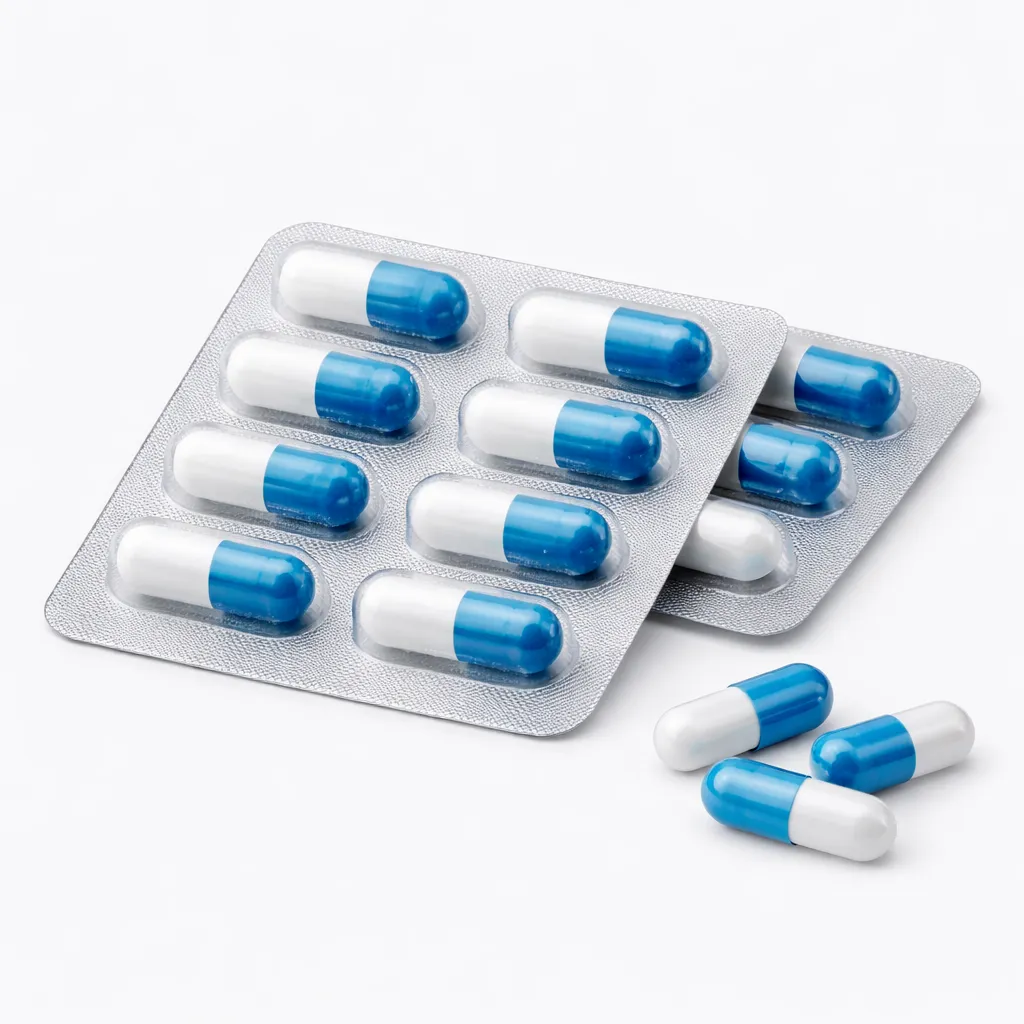
AMLONG 5 MG
Indications
AMLONG 5 MG is primarily indicated for the management of hypertension (high blood pressure) and angina pectoris (chest pain due to heart-related issues). It is a medication that helps in the reduction of blood pressure, thereby decreasing the risk of cardiovascular events such as heart attacks and strokes. Additionally, it may be used in certain cases of heart failure, as it can help improve the heart’s efficiency and reduce symptoms associated with this condition.
Mechanism of Action
AMLONG 5 MG contains Amlodipine, which is a long-acting dihydropyridine calcium channel blocker. Its primary mechanism of action involves the inhibition of calcium ions from entering the vascular smooth muscle and cardiac muscle cells. By blocking these calcium channels, Amlodipine causes relaxation of the vascular smooth muscle, leading to vasodilation (widening of blood vessels). This results in a decrease in peripheral vascular resistance, subsequently lowering blood pressure. In patients with angina, the vasodilation effect helps improve blood flow to the heart muscle, reducing the frequency and severity of anginal attacks.
Pharmacological Properties
AMLONG 5 MG is well-absorbed from the gastrointestinal tract, with peak plasma concentrations typically reached within 6 to 12 hours after oral administration. The drug has a long half-life, allowing for once-daily dosing. Amlodipine is extensively metabolized in the liver, and its metabolites are primarily excreted in the urine. The pharmacokinetics of Amlodipine are not significantly affected by food intake, making it convenient for patients to take with or without meals. The drug is generally well-tolerated, with a favorable safety profile.
Contraindications
AMLONG 5 MG is contraindicated in patients with a known hypersensitivity to Amlodipine or any of its components. Additionally, it should not be used in patients with severe hypotension (low blood pressure), shock (including cardiogenic shock), or aortic stenosis (narrowing of the aortic valve). Caution is advised in patients with heart failure, as the use of Amlodipine in this context should be closely monitored by a healthcare professional.
Side Effects
Common side effects associated with AMLONG 5 MG may include peripheral edema (swelling of the lower limbs), dizziness, fatigue, and palpitations. Other less common side effects can include nausea, abdominal pain, flushing, and headache. Serious adverse reactions, although rare, may involve hypotension, angina exacerbation, or allergic reactions such as rash or pruritus. Patients should be advised to report any unusual or severe symptoms to their healthcare provider promptly.
Dosage and Administration
The recommended starting dose of AMLONG 5 MG for adults is typically 5 mg once daily. Depending on the patient’s response and clinical condition, the dose may be increased to a maximum of 10 mg once daily. It is important to follow the prescribing physician’s instructions regarding dosage adjustments. The tablet should be taken orally with a glass of water, and it can be taken with or without food. Patients should be advised not to discontinue the medication abruptly without consulting their healthcare provider, as this may lead to a rebound increase in blood pressure.
Interactions
AMLONG 5 MG may interact with other medications, which could either enhance or diminish its effects. Co-administration with other antihypertensive agents may lead to an additive effect, resulting in further lowering of blood pressure. Caution should be exercised when used with drugs that can affect liver enzymes, as they may alter the metabolism of Amlodipine. Additionally, the use of Amlodipine with strong CYP3A4 inhibitors (such as ketoconazole or ritonavir) may increase the plasma concentration of Amlodipine, necessitating dose adjustments. Patients should inform their healthcare provider of all medications they are currently taking to avoid potential interactions.
Precautions
Before starting AMLONG 5 MG, patients should inform their healthcare provider of any pre-existing medical conditions, especially liver or kidney impairment, as these may require dosage adjustments. Caution is also advised in elderly patients, as they may be more sensitive to the effects of the medication. It is essential to monitor blood pressure regularly during treatment to ensure it remains within the target range. Patients should be advised to maintain a healthy lifestyle, including a balanced diet and regular exercise, to enhance the effectiveness of the medication in managing hypertension.
Clinical Studies
Numerous clinical studies have demonstrated the efficacy of Amlodipine in reducing blood pressure and improving cardiovascular outcomes. A meta-analysis published in the Journal of Hypertension highlighted that Amlodipine effectively lowers systolic and diastolic blood pressure in patients with essential hypertension. Another study published in the American Heart Journal found that Amlodipine significantly reduced the frequency of angina attacks and improved exercise tolerance in patients with stable angina. These findings support the use of AMLONG 5 MG as a reliable option for managing hypertension and angina.
Conclusion
AMLONG 5 MG is a well-established medication for the treatment of hypertension and angina pectoris. Its mechanism of action as a calcium channel blocker provides significant benefits in lowering blood pressure and improving blood flow to the heart. While generally well-tolerated, it is important for patients to be aware of potential side effects and interactions with other medications. Regular monitoring and communication with healthcare providers are essential for optimizing treatment outcomes. With appropriate use, AMLONG 5 MG can play a crucial role in managing cardiovascular health.
Important
It is essential to use AMLONG 5 MG responsibly and under the guidance of a healthcare professional. Patients should adhere to prescribed dosages and report any side effects or concerns to their doctor. This medication is part of a broader approach to managing hypertension and cardiovascular health, which includes lifestyle modifications and regular check-ups.