
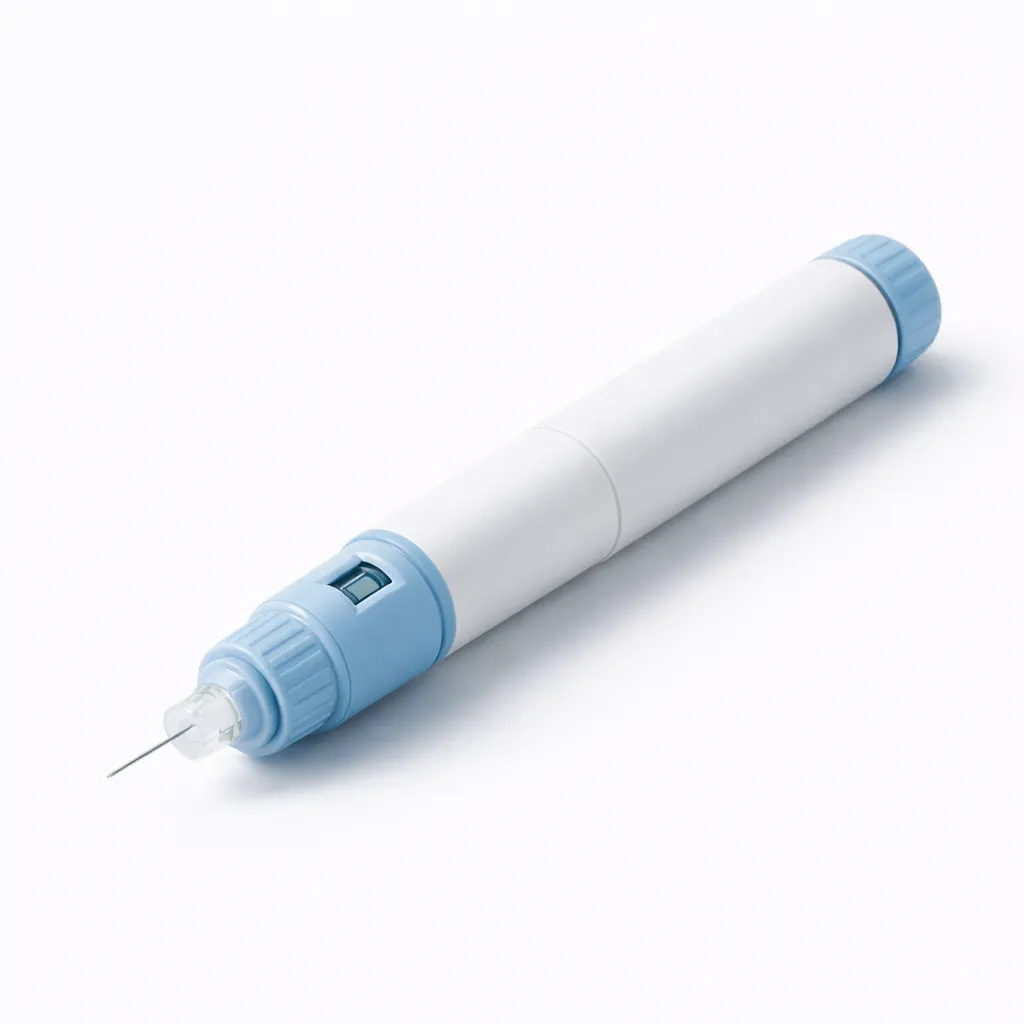
Description
APIDRA SOLOSTAR 100IU 3ML
Indications
APIDRA SOLOSTAR is an insulin analog indicated for the treatment of diabetes mellitus in adults and children. It is specifically designed for the management of both type 1 and type 2 diabetes, providing rapid control of blood glucose levels following meals. This product is particularly beneficial for patients who require mealtime insulin to manage postprandial hyperglycemia effectively.
Mechanism of Action
APIDRA (insulin glulisine) is a rapid-acting insulin analog that mimics the physiological action of endogenous insulin. Its mechanism of action involves the facilitation of cellular glucose uptake, primarily in muscle and adipose tissues, while simultaneously inhibiting hepatic glucose production. APIDRA has a rapid onset of action, typically within 10 to 20 minutes after subcutaneous injection, and a shorter duration of action compared to regular human insulin, making it suitable for controlling postprandial blood glucose spikes.
Pharmacological Properties
APIDRA is characterized by its rapid absorption and action, which is attributed to its unique amino acid sequence that differs from human insulin. The pharmacokinetics of APIDRA demonstrate a peak effect occurring approximately 1 to 2 hours post-injection, with a duration of action lasting up to 4 to 6 hours. This rapid profile allows for flexibility in meal timing and insulin administration, enhancing glycemic control in patients with diabetes.
Contraindications
APIDRA is contraindicated in individuals with a known hypersensitivity to insulin glulisine or any of the excipients present in the formulation. Additionally, it should not be used in patients experiencing episodes of hypoglycemia or in those with diabetic ketoacidosis without appropriate medical supervision. Caution is advised in patients with renal or hepatic impairment, as these conditions may affect insulin metabolism and clearance.
Side Effects
The use of APIDRA may be associated with several side effects, the most common of which include hypoglycemia, which can manifest as dizziness, sweating, tremors, and confusion. Other potential side effects include injection site reactions such as redness, swelling, or itching. Less common but more serious side effects may include allergic reactions, lipodystrophy at the injection site, and severe hypoglycemia leading to loss of consciousness or seizures. Patients should be educated on recognizing the signs and symptoms of hypoglycemia and how to manage it effectively.
Dosage and Administration
APIDRA is administered subcutaneously and is typically injected into the abdominal wall, thigh, or upper arm. The dosage of APIDRA should be individualized based on the patient’s needs, blood glucose monitoring results, and dietary intake. It is usually administered shortly before meals to optimize postprandial glucose control. The starting dose may vary, but adjustments should be made based on the patient’s blood glucose levels and response to therapy. It is essential to follow a healthcare provider’s instructions regarding dosage adjustments and administration techniques.
Interactions
APIDRA may interact with various medications, which can affect blood glucose levels. Drugs that may potentiate the hypoglycemic effect of APIDRA include oral hypoglycemic agents, beta-blockers, and certain antibiotics. Conversely, medications such as corticosteroids, diuretics, and sympathomimetics may reduce the effectiveness of insulin therapy, leading to hyperglycemia. It is crucial for patients to inform their healthcare providers about all medications they are taking, including over-the-counter drugs and supplements, to avoid potential interactions.
Precautions
Patients using APIDRA should be closely monitored for signs of hypoglycemia, especially during the initiation of therapy or when adjusting dosages. It is essential to educate patients about the importance of regular blood glucose monitoring and maintaining a balanced diet. Special precautions should be taken in populations such as the elderly, pregnant women, and those with renal or hepatic impairment. Patients should also be advised not to switch between different insulin formulations without consulting their healthcare provider, as this may lead to variability in glycemic control.
Clinical Studies
Clinical studies have demonstrated the efficacy and safety of APIDRA in managing diabetes. In a randomized controlled trial, patients using APIDRA experienced significant reductions in HbA1c levels compared to those on regular insulin, with a comparable incidence of hypoglycemia. Another study highlighted the flexibility of APIDRA in meal timing, showing that patients could achieve similar glycemic control with less stringent meal schedules. These findings support the use of APIDRA as an effective option for insulin therapy in both type 1 and type 2 diabetes management.
Conclusion
APIDRA SOLOSTAR 100IU 3ML is a rapid-acting insulin analog that provides effective glycemic control for individuals with diabetes. Its unique pharmacological properties allow for flexibility in administration and meal timing, making it a suitable choice for many patients. However, proper education regarding dosage, administration, and potential side effects is critical for optimizing therapy and ensuring patient safety. Regular monitoring and communication with healthcare providers are essential components of effective diabetes management.
Important
It is crucial to use APIDRA SOLOSTAR responsibly and under the guidance of a healthcare professional. Patients should adhere to prescribed dosages and maintain regular monitoring of blood glucose levels to prevent complications associated with diabetes management.

