
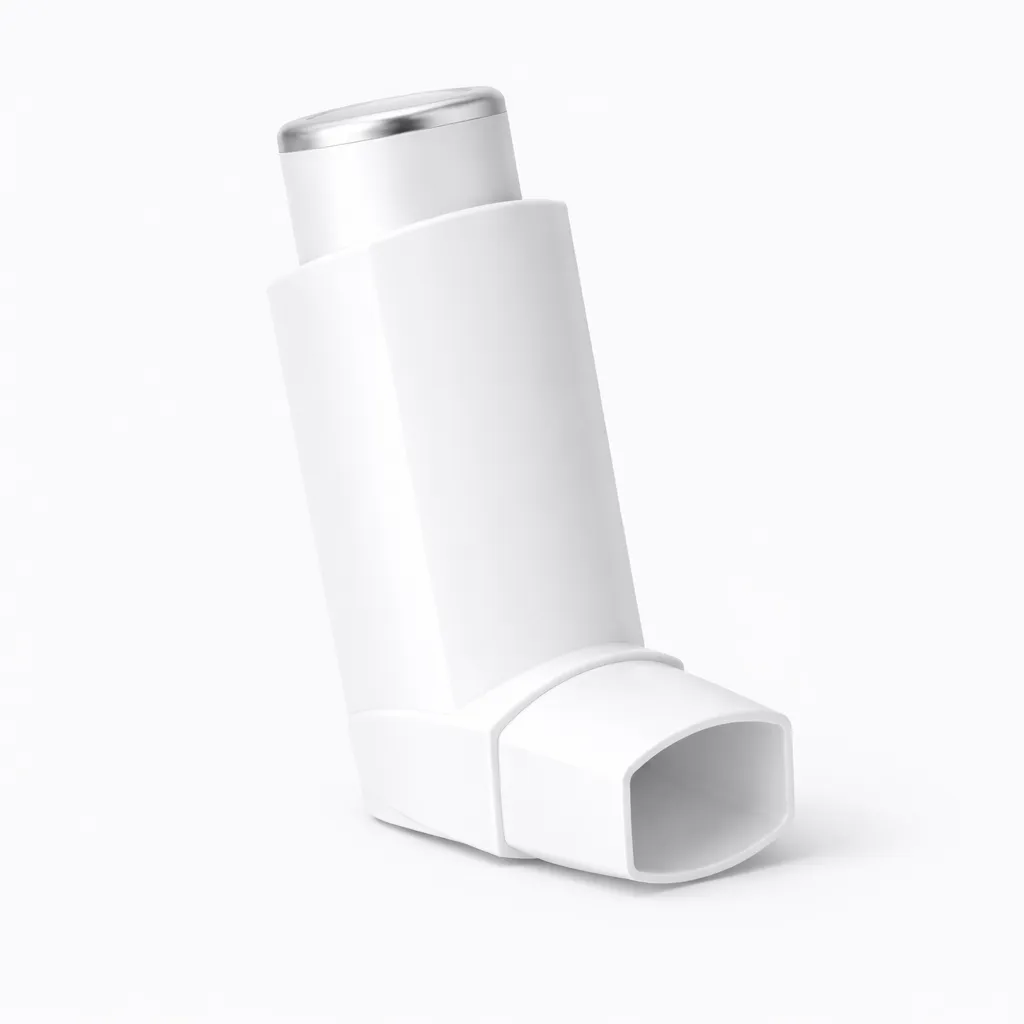
Description
ASCOAIR 100 MCG INH 200 MD
Indications
ASCOAIR 100 MCG INH 200 MD is primarily indicated for the management of asthma and chronic obstructive pulmonary disease (COPD). It is designed to provide relief from bronchospasm associated with these conditions, facilitating improved airflow and respiratory function. The medication is particularly beneficial for patients experiencing wheezing, shortness of breath, and chest tightness due to airway constriction.
Mechanism of Action
The active ingredient in ASCOAIR is a bronchodilator that functions by selectively stimulating beta-2 adrenergic receptors located in the bronchial smooth muscle. This stimulation leads to relaxation of the bronchial muscles, resulting in dilation of the airways. The rapid onset of action allows for immediate relief from acute bronchospasm, making it an essential medication for patients with asthma and COPD. Additionally, the anti-inflammatory properties of the drug contribute to reducing airway inflammation, further enhancing respiratory function.
Pharmacological Properties
ASCOAIR 100 MCG INH 200 MD exhibits a pharmacokinetic profile characterized by rapid absorption and onset of action. Following inhalation, the drug reaches peak plasma concentrations within a short period, allowing for quick relief of symptoms. The half-life of the medication is approximately 3 to 5 hours, necessitating multiple doses throughout the day for optimal control of symptoms. The drug is primarily metabolized in the liver and excreted through the kidneys, which is essential information for clinicians when considering potential drug interactions and patient-specific factors.
Contraindications
ASCOAIR should not be used in patients with a known hypersensitivity to any of its components. Additionally, it is contraindicated in individuals with severe, uncontrolled cardiovascular disorders, such as arrhythmias or severe hypertension, due to the potential for exacerbating these conditions. Caution is also advised in patients with hyperthyroidism, diabetes mellitus, or seizure disorders, as the medication may exacerbate these conditions.
Side Effects
Common side effects associated with ASCOAIR include tremors, palpitations, headache, and throat irritation. These side effects are generally mild and transient. However, in some cases, more serious adverse effects may occur, including paradoxical bronchospasm, which is a rare but potentially life-threatening condition characterized by increased airway resistance following administration of the medication. Patients should be instructed to seek immediate medical attention if they experience worsening respiratory symptoms after using ASCOAIR.
Dosage and Administration
The recommended dosage of ASCOAIR for adults and children over the age of 12 is typically 100 micrograms administered via inhalation, as needed, up to a maximum of 200 micrograms per day. For younger patients, the dosage should be determined by a healthcare provider based on individual needs and response to treatment. Patients should be educated on the correct inhalation technique to ensure optimal delivery of the medication to the lungs. It is essential to shake the inhaler well before use and to exhale fully before inhaling the medication to maximize its effectiveness.
Interactions
ASCOAIR may interact with other medications, particularly those that affect the cardiovascular system, such as beta-blockers, which can diminish the bronchodilatory effects of the drug. Additionally, monoamine oxidase inhibitors (MAOIs) and tricyclic antidepressants may enhance the cardiovascular effects of ASCOAIR, leading to increased heart rate and blood pressure. It is crucial for healthcare providers to review a patient’s complete medication list to identify potential interactions and adjust treatment plans accordingly.
Precautions
Patients with a history of cardiovascular disease, hyperthyroidism, or diabetes should use ASCOAIR with caution. Regular monitoring of these patients is recommended to assess for any adverse effects or exacerbation of their underlying conditions. Furthermore, it is important to educate patients about the proper use of the inhaler and the importance of adhering to prescribed dosages to minimize the risk of side effects and ensure effective management of their respiratory conditions.
Clinical Studies
Clinical studies have demonstrated the efficacy of ASCOAIR in improving lung function and reducing the frequency of asthma attacks and COPD exacerbations. In a randomized controlled trial, patients using ASCOAIR experienced a significant improvement in forced expiratory volume (FEV1) compared to those receiving a placebo. Additionally, long-term studies have shown that regular use of ASCOAIR can lead to improved quality of life and reduced healthcare utilization due to respiratory-related issues. These findings underscore the importance of ASCOAIR as a key component in the management of asthma and COPD.
Conclusion
ASCOAIR 100 MCG INH 200 MD is an effective bronchodilator indicated for the treatment of asthma and COPD. Its rapid action and ability to alleviate bronchospasm make it a valuable tool in respiratory care. However, it is essential for patients to be aware of potential side effects and drug interactions. Healthcare providers should ensure that patients are educated on the proper use of the inhaler and the importance of adhering to prescribed dosages for optimal management of their respiratory conditions.
Important
Responsible use of ASCOAIR is crucial for ensuring safety and efficacy. Patients should follow their healthcare provider’s instructions and report any adverse effects or concerns promptly.

