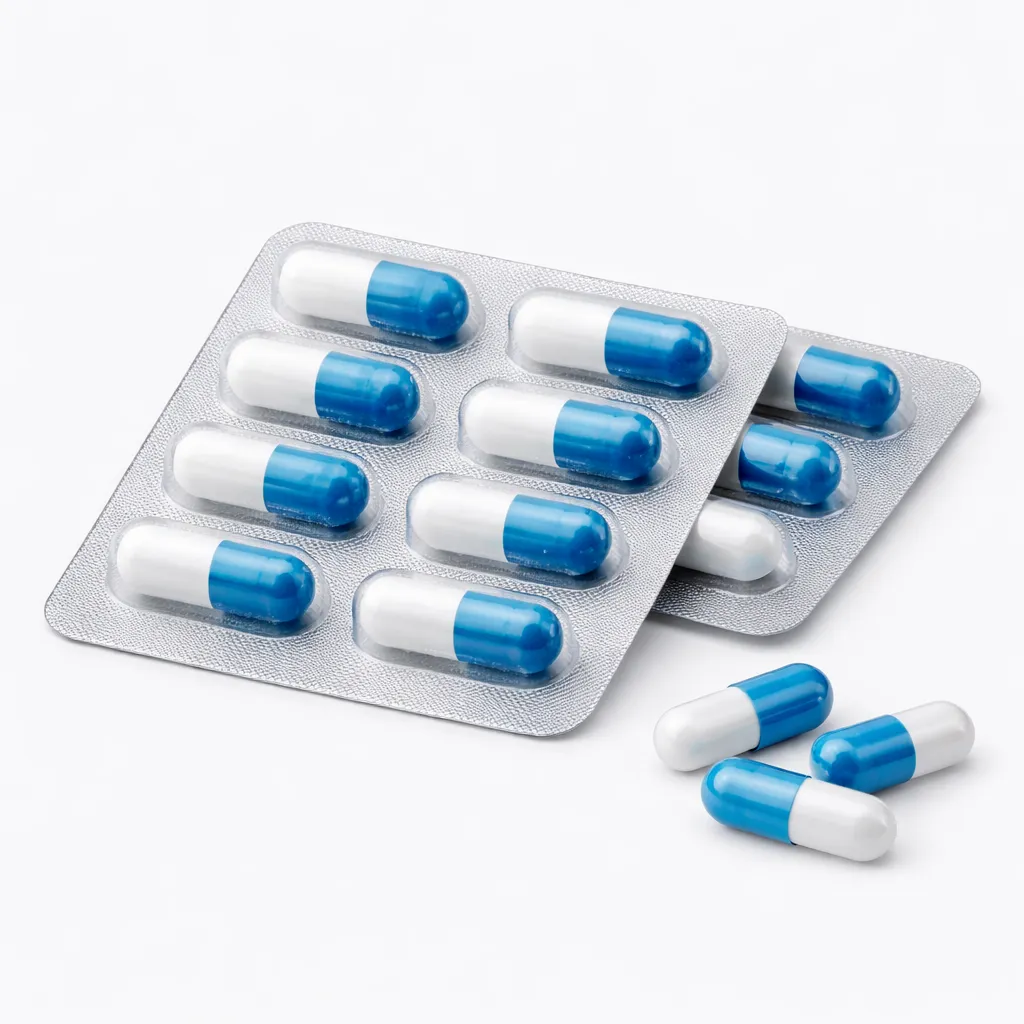
Description
ATEN 100 MG
Indications
ATEN 100 MG, containing the active ingredient Atenolol, is primarily indicated for the management of hypertension (high blood pressure). It is also used for the prevention of angina pectoris (chest pain) and for the management of certain types of cardiac arrhythmias. Additionally, Atenolol may be prescribed for patients who have suffered a myocardial infarction (heart attack) to improve survival rates and reduce the risk of further cardiovascular events.
Mechanism of Action
Atenolol is a selective beta-1 adrenergic receptor blocker. By selectively inhibiting the beta-1 receptors primarily located in the heart, Atenolol decreases heart rate, myocardial contractility, and conduction velocity through the atrioventricular node. This results in a reduction in cardiac output and a subsequent decrease in blood pressure. The drug also reduces the oxygen demand of the heart, which is beneficial in the management of angina. Furthermore, Atenolol’s action helps stabilize heart rhythms, making it effective in treating certain arrhythmias.
Pharmacological Properties
Atenolol is well-absorbed from the gastrointestinal tract, with peak plasma concentrations occurring approximately 2 to 4 hours after oral administration. It has a bioavailability of about 50% due to first-pass metabolism in the liver. The drug is approximately 50% bound to plasma proteins and has a half-life of about 6 to 7 hours, allowing for once-daily dosing in most cases. Atenolol is primarily excreted unchanged in the urine, making renal function an important consideration in dosing.
Contraindications
ATEN 100 MG is contraindicated in patients with a known hypersensitivity to Atenolol or any of its components. It should not be used in individuals with severe bradycardia (slow heart rate), second or third-degree atrioventricular block, overt heart failure, or cardiogenic shock. Additionally, patients with a history of asthma or chronic obstructive pulmonary disease (COPD) should use Atenolol with caution, as beta-blockers can potentially exacerbate bronchospasm.
Side Effects
Common side effects of Atenolol include fatigue, dizziness, depression, and gastrointestinal disturbances such as nausea and diarrhea. Other potential side effects may include cold extremities, bradycardia, hypotension, and sleep disturbances. In rare cases, patients may experience more severe reactions, such as severe allergic reactions, worsening of heart failure, or signs of liver dysfunction. It is essential for patients to report any unusual symptoms to their healthcare provider promptly.
Dosage and Administration
The typical starting dose of ATEN 100 MG for hypertension is 50 mg once daily, which may be increased to 100 mg once daily if blood pressure control is inadequate. For angina, the usual dose is 50 mg to 100 mg once daily. In patients who have experienced a myocardial infarction, Atenolol is often initiated at a dose of 100 mg once daily after the initial treatment phase. Dosage adjustments may be necessary for patients with renal impairment, and it is crucial to follow the prescribing physician’s recommendations closely.
Interactions
Atenolol may interact with various medications, potentially altering its effectiveness or increasing the risk of adverse effects. Co-administration with other antihypertensive agents may lead to additive effects, resulting in hypotension. Non-steroidal anti-inflammatory drugs (NSAIDs) can reduce the antihypertensive effect of Atenolol. Additionally, the use of Atenolol with calcium channel blockers, such as verapamil or diltiazem, may enhance the risk of bradycardia and heart block. It is essential for patients to inform their healthcare provider of all medications they are taking to avoid potential interactions.
Precautions
Prior to initiating treatment with ATEN 100 MG, it is important to assess the patient’s medical history thoroughly. Caution should be exercised in patients with a history of heart failure, diabetes, or peripheral vascular disease. Atenolol may mask the symptoms of hypoglycemia in diabetic patients, making blood glucose monitoring essential. Abrupt discontinuation of Atenolol can lead to rebound hypertension or exacerbation of angina; therefore, any changes in dosage should be made gradually under medical supervision.
Clinical Studies
Numerous clinical studies have evaluated the efficacy and safety of Atenolol in various patient populations. A landmark study published in the “New England Journal of Medicine” demonstrated that Atenolol significantly reduces mortality in patients following a myocardial infarction. Another study indicated its effectiveness in controlling hypertension and reducing the incidence of cardiovascular events. Furthermore, research has shown that Atenolol is effective in managing angina, with a favorable safety profile compared to other beta-blockers.
Conclusion
ATEN 100 MG is a well-established medication for the treatment of hypertension, angina, and certain cardiac arrhythmias. Its selective action on beta-1 adrenergic receptors provides a mechanism for reducing heart rate and blood pressure, contributing to improved cardiovascular outcomes. While generally well-tolerated, it is essential for patients to be aware of potential side effects and drug interactions. Regular monitoring and consultation with healthcare providers are crucial for optimizing treatment and ensuring the safe use of Atenolol.
Important
It is essential to use ATEN 100 MG responsibly and under the guidance of a qualified healthcare professional. Patients should adhere to prescribed dosages and report any side effects or concerns to their healthcare provider. Proper management of hypertension and related conditions is vital for overall health and well-being.