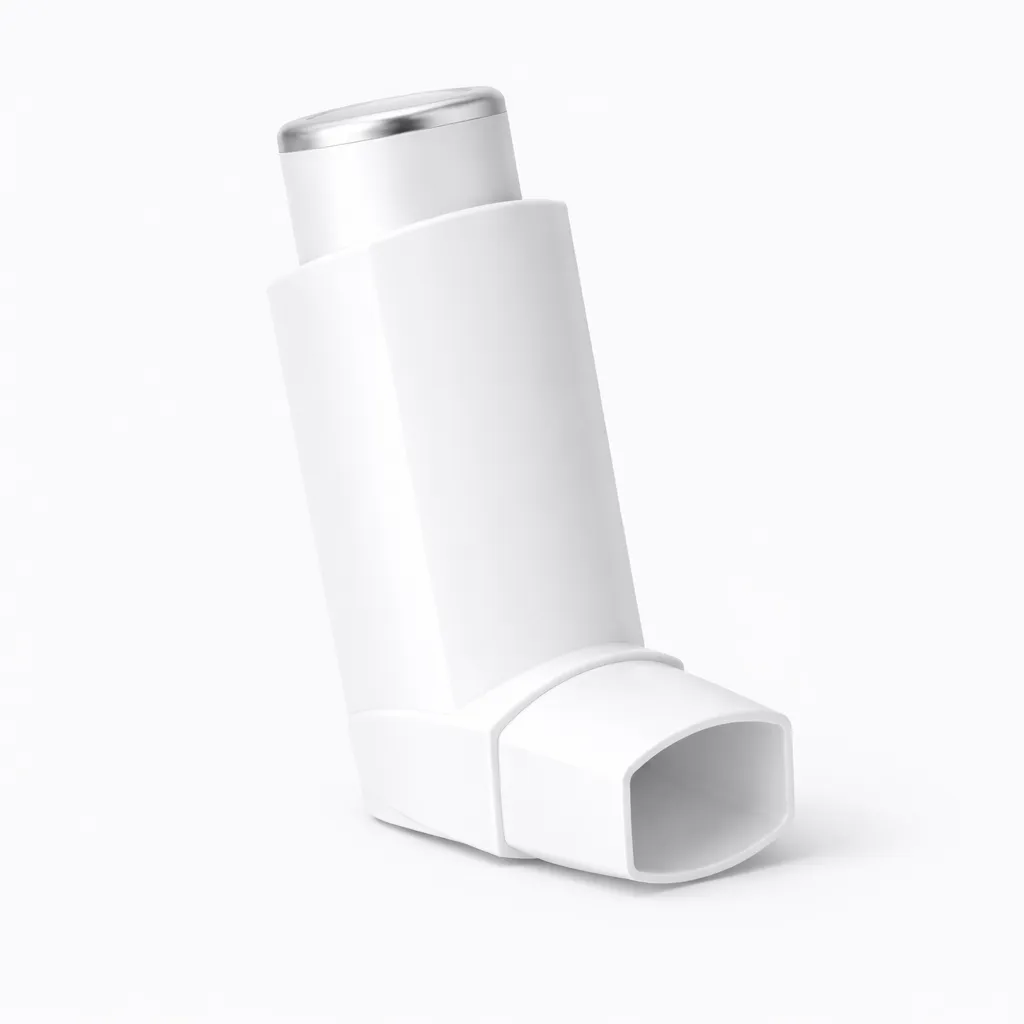
Description
ATRO INJ 1 ML
Indications
ATRO INJ 1 ML is primarily indicated for the management of acute and chronic respiratory conditions characterized by bronchospasm. This includes conditions such as asthma, chronic obstructive pulmonary disease (COPD), and other pulmonary disorders where bronchodilation is required. The formulation is particularly beneficial during exacerbations of these conditions, providing rapid relief from symptoms associated with airway constriction.
Mechanism of Action
ATRO INJ 1 ML contains the active ingredient ipratropium bromide, which is an anticholinergic agent. Its mechanism of action involves the inhibition of acetylcholine at muscarinic receptors in the bronchial smooth muscle. By blocking these receptors, ipratropium bromide leads to relaxation of the bronchial muscles, resulting in bronchodilation. This effect helps to alleviate the symptoms of bronchospasm, improving airflow and respiratory function.
Pharmacological Properties
The pharmacokinetics of ATRO INJ 1 ML indicate that ipratropium bromide is poorly absorbed when administered via inhalation, with systemic absorption being minimal. The onset of action typically occurs within 15 to 30 minutes post-administration, with peak effects observed around 1 to 2 hours. The duration of action can last for up to 6 hours, making it suitable for both acute and chronic management of bronchospasm. The drug is primarily metabolized in the liver and excreted via the kidneys.
Contraindications
ATRO INJ 1 ML is contraindicated in patients with a known hypersensitivity to ipratropium bromide or any of the excipients in the formulation. Additionally, it should not be used in patients with a history of severe allergic reactions to atropine or its derivatives. Caution is advised in patients with narrow-angle glaucoma, prostatic hypertrophy, or bladder neck obstruction, as these conditions may be exacerbated by anticholinergic effects.
Side Effects
Common side effects associated with ATRO INJ 1 ML may include dry mouth, throat irritation, cough, and headache. Other less common side effects include dizziness, nausea, and gastrointestinal disturbances. In rare cases, patients may experience paradoxical bronchospasm, which necessitates immediate discontinuation of the medication. It is important for patients to report any unusual or severe side effects to their healthcare provider promptly.
Dosage and Administration
The recommended dosage of ATRO INJ 1 ML varies depending on the severity of the condition being treated. For adults, the typical dosage is 500 mcg administered via nebulization every 20 minutes for up to three doses, followed by maintenance therapy as needed. For pediatric patients, the dosage should be determined by a healthcare professional based on the child’s age and weight. It is crucial to follow the prescribed dosage and administration guidelines to ensure optimal therapeutic outcomes.
Interactions
ATRO INJ 1 ML may interact with other medications, particularly those with anticholinergic properties, which can enhance the risk of side effects. Concurrent use with beta-adrenergic agonists may also lead to additive effects. Patients should inform their healthcare provider of all medications they are currently taking, including over-the-counter drugs and herbal supplements, to avoid potential interactions.
Precautions
Patients using ATRO INJ 1 ML should be monitored for signs of worsening respiratory status, particularly during the initial stages of treatment. Caution should be exercised in patients with cardiovascular disorders, hyperthyroidism, or urinary retention. It is also important to ensure that the patient is not experiencing any acute episodes of bronchospasm that may require immediate medical intervention. Pregnant or breastfeeding women should consult their healthcare provider before using this medication.
Clinical Studies
Clinical studies have demonstrated the efficacy of ATRO INJ 1 ML in improving lung function and reducing the frequency of asthma exacerbations. In a randomized controlled trial, patients receiving ipratropium bromide showed significant improvements in forced expiratory volume (FEV1) compared to those receiving placebo. Another study highlighted the safety profile of ipratropium in both adult and pediatric populations, with a low incidence of adverse effects. These findings support the use of ATRO INJ 1 ML as a valuable therapeutic option in managing bronchospasm.
Conclusion
ATRO INJ 1 ML is an effective anticholinergic medication used in the management of bronchospasm associated with respiratory conditions such as asthma and COPD. Its mechanism of action, pharmacological properties, and clinical efficacy make it a suitable choice for both acute and chronic treatment. However, careful consideration of contraindications, potential side effects, and drug interactions is essential for safe and effective use. Patients should always consult healthcare professionals for personalized medical advice and treatment plans.
Important
It is crucial to use ATRO INJ 1 ML responsibly and only as directed by a healthcare professional. Misuse or overuse of this medication can lead to serious health complications. Always discuss any concerns or questions with your healthcare provider.