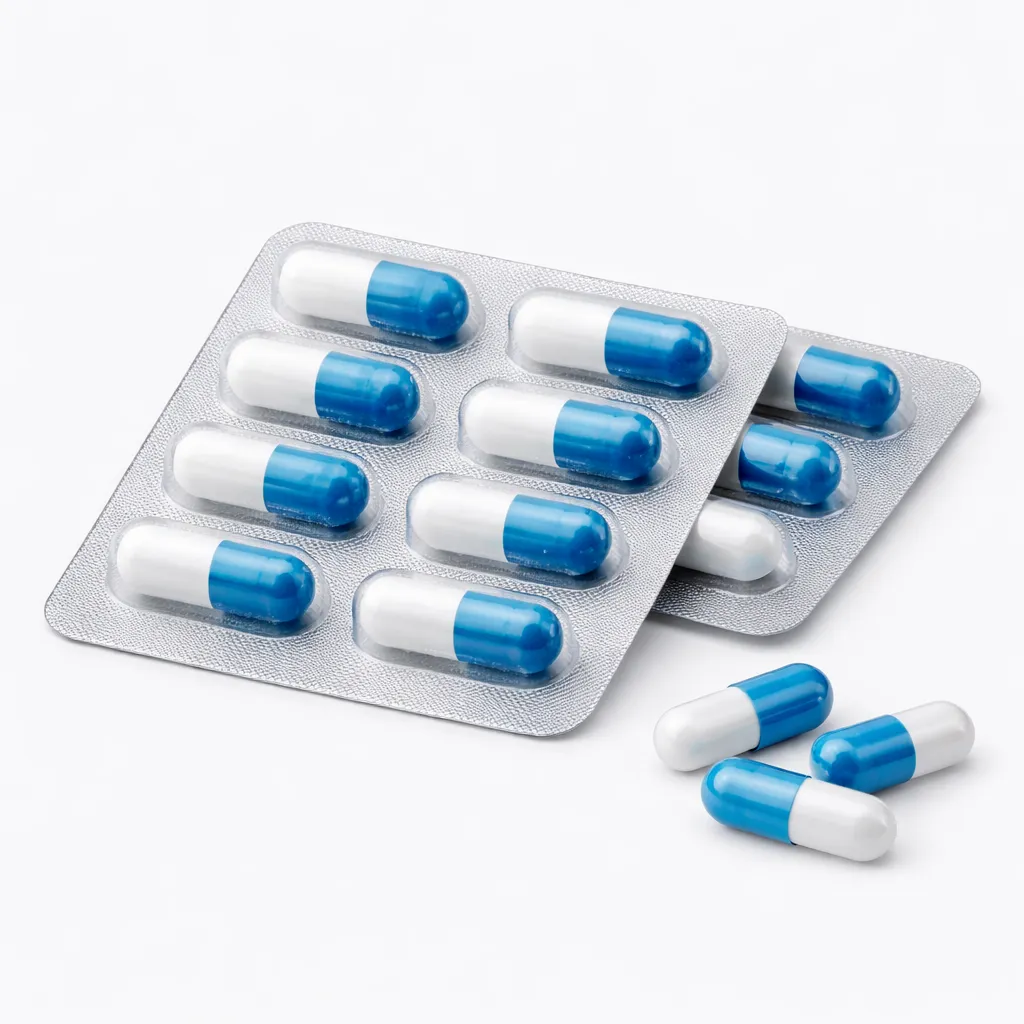
Description
AXEPTA 25 MG
Indications
AXEPTA 25 MG, generically known as Agomelatine, is primarily indicated for the treatment of major depressive disorder (MDD) in adults. It is particularly beneficial for patients who have not responded adequately to other antidepressant therapies. AXEPTA may also be considered for the management of anxiety disorders, although this use is less common and should be approached with caution.
Mechanism of Action
AXEPTA acts as a melatonergic antidepressant, which distinguishes it from traditional selective serotonin reuptake inhibitors (SSRIs) and other classes of antidepressants. Its primary mechanism involves the agonistic activity on melatonergic receptors (MT1 and MT2) and antagonistic effects on serotonin receptors (5-HT2C). By modulating the circadian rhythms and sleep-wake cycles, AXEPTA helps to alleviate depressive symptoms while improving overall sleep quality. This dual action is thought to contribute to its efficacy in treating depression.
Pharmacological Properties
AXEPTA is characterized by its unique pharmacological profile. It is rapidly absorbed after oral administration, with peak plasma concentrations typically reached within 1 to 2 hours. The bioavailability of AXEPTA is approximately 85%, and it undergoes extensive hepatic metabolism, primarily through cytochrome P450 enzymes. The elimination half-life is around 5 to 10 hours, allowing for once-daily dosing. The drug is primarily excreted in urine and feces, with less than 1% of the dose appearing unchanged in urine.
Contraindications
AXEPTA 25 MG is contraindicated in patients with known hypersensitivity to Agomelatine or any of its excipients. It should not be used in individuals with severe hepatic impairment or active liver disease, as the drug is metabolized in the liver and can exacerbate hepatic conditions. Additionally, caution is advised in patients with a history of mania or hypomania, as AXEPTA may induce manic episodes in susceptible individuals.
Side Effects
Common side effects associated with AXEPTA include headache, dizziness, nausea, diarrhea, and fatigue. Some patients may experience insomnia or increased anxiety. Serious side effects, although rare, can include liver enzyme elevation, which necessitates regular monitoring of liver function tests during treatment. Patients should be advised to report any signs of liver dysfunction, such as jaundice, dark urine, or persistent abdominal pain.
Dosage and Administration
The recommended starting dose of AXEPTA is 25 MG taken orally once daily, preferably at bedtime to align with its melatonergic effects. Depending on the patient’s response and tolerability, the dose may be increased to a maximum of 50 MG per day after two weeks. It is essential to adhere to the prescribed dosage and not to exceed the maximum recommended dose to minimize the risk of adverse effects.
Interactions
AXEPTA may interact with several medications, particularly those that affect liver enzymes. Co-administration with potent CYP1A2 inhibitors (e.g., fluvoxamine) can increase plasma concentrations of Agomelatine, necessitating dose adjustments. Conversely, CYP1A2 inducers (e.g., smoking, rifampicin) may reduce its efficacy. Patients should inform their healthcare provider of all medications they are taking to avoid potential interactions.
Precautions
Prior to initiating treatment with AXEPTA, a thorough assessment of the patient’s medical history is essential. Patients with a history of liver disease should be monitored closely, and liver function tests should be conducted before starting therapy and periodically thereafter. Caution is also warranted in patients with a history of bipolar disorder, as there is a risk of inducing manic episodes. Additionally, patients should be advised to avoid alcohol consumption during treatment, as it may exacerbate side effects.
Clinical Studies
Clinical trials have demonstrated the efficacy of AXEPTA in treating major depressive disorder. In a randomized, double-blind, placebo-controlled study, patients receiving AXEPTA showed significant improvement in depressive symptoms compared to those receiving placebo, with a favorable side effect profile. Long-term studies have also indicated that AXEPTA is effective in maintaining remission in patients with recurrent depression. These findings support the use of AXEPTA as a viable treatment option for MDD, particularly in patients who have not responded to traditional antidepressants.
Conclusion
AXEPTA 25 MG represents a novel approach to the treatment of major depressive disorder, leveraging its unique melatonergic properties to improve mood and sleep quality. With a well-established safety profile and efficacy demonstrated in clinical studies, AXEPTA is a valuable option for patients seeking relief from depression. However, as with any medication, it is crucial for patients to engage in open communication with their healthcare providers to ensure safe and effective use.
Important
It is essential to use AXEPTA 25 MG responsibly and under the guidance of a healthcare professional. Patients should adhere to prescribed dosages and report any adverse effects or concerns to their doctor. Responsible use contributes to the effectiveness of the treatment and the overall well-being of the patient.