Description
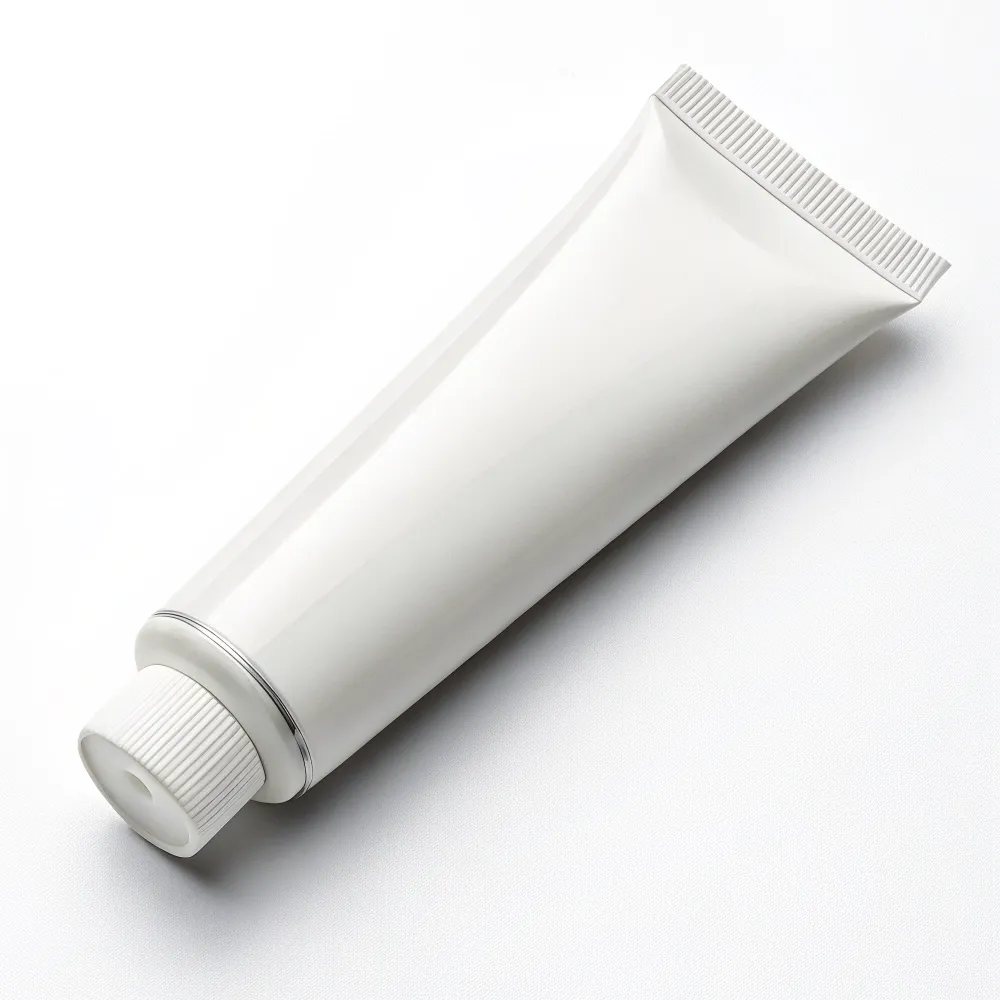
AZIDERM 20% CREAM 15GM
Indications
AZIDERM 20% Cream is primarily indicated for the topical treatment of acne vulgaris. It is particularly effective for patients with moderate to severe acne, where other topical treatments have failed or are not suitable. Additionally, it may be used in the management of other dermatological conditions as deemed appropriate by a healthcare professional.
Mechanism of Action
The active ingredient in AZIDERM is azelaic acid, a naturally occurring dicarboxylic acid. Azelaic acid exhibits multiple mechanisms of action that contribute to its effectiveness in treating acne. It has antimicrobial properties that inhibit the growth of Propionibacterium acnes, the bacteria primarily responsible for acne. Furthermore, azelaic acid possesses anti-inflammatory properties that help reduce the redness and swelling associated with acne lesions. It also promotes the normalization of keratinization, thereby preventing the formation of comedones (clogged pores) and facilitating the turnover of skin cells.
Pharmacological Properties
AZIDERM 20% Cream is formulated for topical application, allowing for localized treatment of affected areas. Azelaic acid is well-absorbed through the skin, with peak plasma concentrations occurring within a few hours post-application. The pharmacokinetics of azelaic acid indicate a low systemic absorption rate, minimizing the risk of systemic side effects. The cream’s formulation includes emollients that enhance skin hydration and improve the overall texture of the skin during treatment.
Contraindications
AZIDERM 20% Cream is contraindicated in individuals with known hypersensitivity to azelaic acid or any of the excipients in the formulation. It should not be applied to areas of broken skin or open wounds. Patients with a history of severe allergic reactions to topical medications should exercise caution and consult a healthcare provider before use.
Side Effects
Common side effects associated with the use of AZIDERM 20% Cream may include local skin reactions such as burning, stinging, itching, or erythema at the site of application. These effects are generally mild and transient. In rare cases, more severe reactions such as contact dermatitis may occur. If any severe or persistent side effects are experienced, it is advisable to discontinue use and consult a healthcare professional.
Dosage and Administration
AZIDERM 20% Cream should be applied to the affected areas of the skin twice daily, preferably in the morning and evening. Prior to application, the skin should be cleansed and dried thoroughly. A thin layer of the cream should be gently massaged into the skin until fully absorbed. It is important to avoid contact with the eyes, mouth, and mucous membranes. Patients are advised to wash their hands after application to prevent unintentional exposure to non-target areas.
Interactions
Currently, there are no well-documented drug interactions with AZIDERM 20% Cream. However, it is advisable to avoid the concurrent use of other topical acne treatments, particularly those that may cause skin irritation, such as benzoyl peroxide or retinoids, unless directed by a healthcare provider. Patients should inform their healthcare provider of all medications and topical products they are using to ensure safe and effective treatment.
Precautions
Before using AZIDERM 20% Cream, patients should inform their healthcare provider of any pre-existing skin conditions, particularly eczema or rosacea, as these conditions may require special consideration during treatment. Pregnant or breastfeeding women should also consult a healthcare professional before using this product. It is essential to use sunscreen and limit sun exposure while using AZIDERM, as the skin may become more sensitive to sunlight.
Clinical Studies
Clinical studies have demonstrated the efficacy of azelaic acid in the treatment of acne vulgaris. In a randomized controlled trial, patients treated with azelaic acid showed a significant reduction in the number of inflammatory and non-inflammatory lesions compared to those receiving a placebo. The studies also reported an improvement in overall skin appearance and a favorable safety profile. Long-term studies have indicated that azelaic acid is effective in maintaining acne remission with continued use.
Conclusion
AZIDERM 20% Cream is a clinically proven topical treatment for acne vulgaris, offering multiple mechanisms of action that address the underlying causes of acne. With its favorable safety profile and efficacy, it is a valuable option for individuals seeking relief from moderate to severe acne. As with any medication, it is essential to use AZIDERM as directed and to consult a healthcare provider for personalized advice and management of acne.
Important
It is crucial to use AZIDERM 20% Cream responsibly and as directed by a healthcare professional. This product is intended for topical use only and should not be ingested. Patients should monitor their skin’s response and report any adverse effects to their healthcare provider promptly.