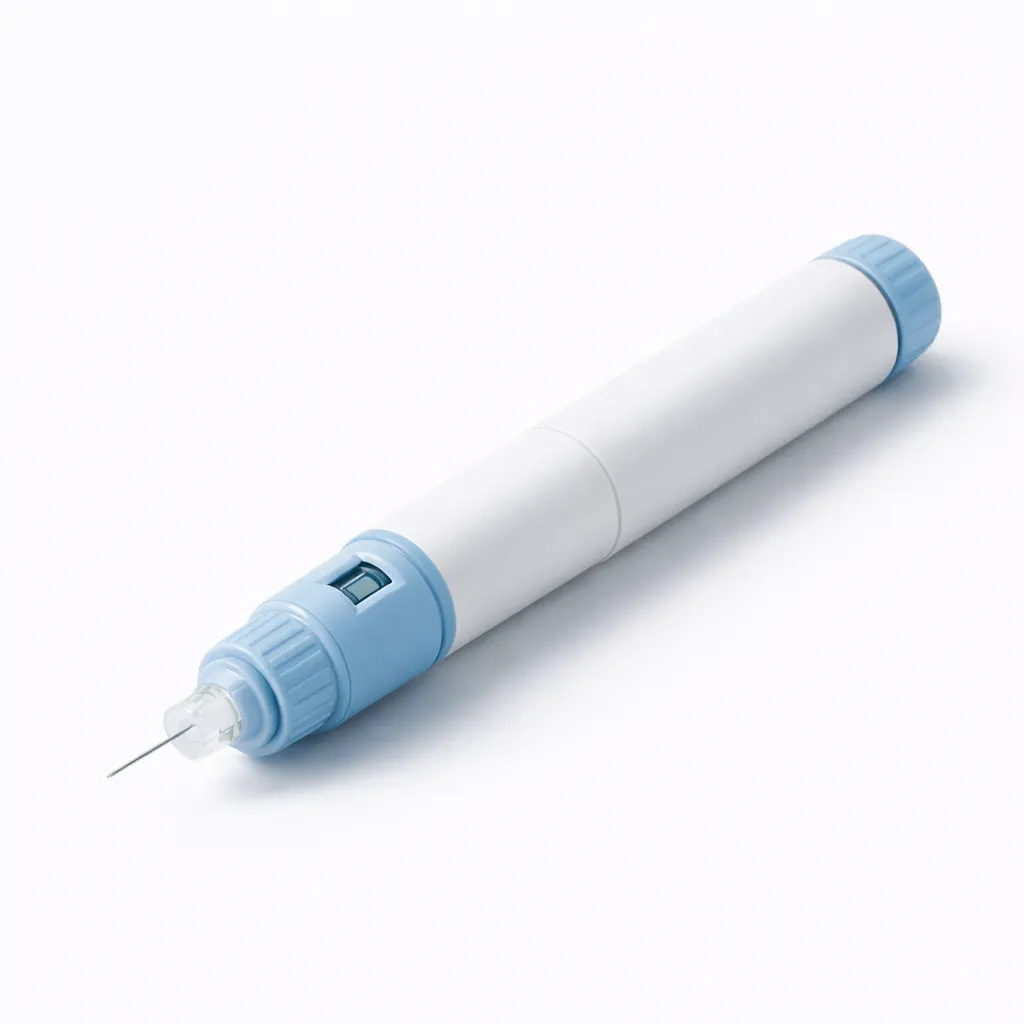
Description
BASALOG 100MG INJ 5ML
Indications
BASALOG 100MG INJ 5ML is primarily indicated for the management of diabetes mellitus in adults and children. It is specifically designed for patients requiring insulin therapy to maintain optimal glycemic control. This medication is particularly beneficial for individuals with type 1 diabetes, where the body does not produce insulin, as well as for those with type 2 diabetes who cannot achieve adequate control with oral hypoglycemic agents alone. BASALOG is utilized in conjunction with a proper diet and exercise regimen to help regulate blood glucose levels effectively.
Mechanism of Action
BASALOG contains insulin glargine, a long-acting insulin analog. Its mechanism of action is based on the regulation of glucose metabolism. Insulin glargine is designed to provide a steady and prolonged release of insulin, which helps to lower blood glucose levels by facilitating the uptake of glucose into the cells, particularly muscle and adipose tissues. This action reduces hepatic glucose production and enhances glucose utilization, leading to improved glycemic control over a 24-hour period without pronounced peaks and troughs in insulin levels.
Pharmacological Properties
The pharmacokinetics of BASALOG reveal that insulin glargine has a prolonged duration of action compared to regular insulin. After subcutaneous injection, BASALOG forms microprecipitates in the subcutaneous tissue, which gradually release insulin into the bloodstream. The onset of action occurs approximately 1 to 2 hours after administration, with a peakless profile that lasts for up to 24 hours. This property allows for once-daily dosing, making it a convenient option for patients. Additionally, BASALOG is characterized by a low risk of hypoglycemia due to its stable pharmacokinetic profile.
Contraindications
BASALOG should not be administered to individuals with known hypersensitivity to insulin glargine or any of the excipients in the formulation. It is also contraindicated in patients experiencing episodes of hypoglycemia, as the administration of insulin in such cases could exacerbate the condition. Furthermore, caution is advised when considering BASALOG for patients with severe liver or renal impairment, as these conditions may affect insulin metabolism and clearance.
Side Effects
As with any medication, the use of BASALOG may be associated with several side effects. The most common adverse reactions include hypoglycemia, which can manifest as sweating, tremors, dizziness, and confusion. Other potential side effects include injection site reactions such as redness, swelling, or itching. In rare cases, patients may experience allergic reactions, which can present as rash, urticaria, or anaphylaxis. Long-term use of insulin may also lead to lipodystrophy at the injection sites, causing either lipohypertrophy or lipoatrophy.
Dosage and Administration
The recommended dosage of BASALOG varies based on individual patient needs, blood glucose levels, and previous insulin therapy. It is typically administered subcutaneously once daily at the same time each day. The initial dose should be determined by the healthcare provider, and adjustments may be necessary based on blood glucose monitoring results. It is crucial for patients to follow their healthcare provider’s instructions regarding dosage and administration to achieve optimal glycemic control. BASALOG should not be diluted or mixed with other insulins or solutions, as this may alter its pharmacokinetic properties.
Interactions
BASALOG may interact with various medications, potentially affecting blood glucose levels. Certain drugs, such as corticosteroids, thiazide diuretics, and sympathomimetics, can increase blood glucose levels, necessitating adjustments in insulin dosage. Conversely, other medications, including beta-blockers, alcohol, and some antipsychotics, may enhance the hypoglycemic effect of insulin. It is essential for patients to inform their healthcare provider about all medications they are taking, including over-the-counter drugs and supplements, to avoid potential interactions.
Precautions
Before initiating therapy with BASALOG, it is important to conduct a thorough assessment of the patient’s medical history, including any history of hypoglycemia, liver or kidney disease, and concurrent medications. Patients should be educated on the signs and symptoms of hypoglycemia and the appropriate actions to take in such events. Regular monitoring of blood glucose levels is essential to ensure effective management of diabetes and to prevent complications. Patients should also be advised on proper injection techniques and the importance of rotating injection sites to minimize the risk of lipodystrophy.
Clinical Studies
Clinical studies have demonstrated the efficacy and safety of BASALOG in managing diabetes mellitus. In a randomized controlled trial, patients using BASALOG achieved significant reductions in HbA1c levels compared to those receiving conventional insulin therapy. The study also highlighted the low incidence of hypoglycemic events associated with BASALOG, supporting its use as a preferred long-acting insulin option. Additionally, long-term studies have shown that BASALOG is effective in maintaining glycemic control over extended periods, with a favorable safety profile.
Conclusion
BASALOG 100MG INJ 5ML represents an effective and reliable option for individuals requiring insulin therapy for diabetes management. Its unique pharmacological properties, including a prolonged duration of action and a low risk of hypoglycemia, make it suitable for a wide range of patients. However, it is essential for patients to work closely with their healthcare providers to establish an appropriate treatment plan, monitor their blood glucose levels, and adjust dosages as needed. With proper management and adherence to therapy, BASALOG can significantly improve the quality of life for individuals living with diabetes.
Important
It is crucial to use BASALOG 100MG INJ 5ML responsibly and under the guidance of a healthcare professional. Patients should adhere to prescribed dosages and regularly monitor their blood glucose levels to ensure optimal diabetes management.