Description
BD ULTRA FINE PEN NEEDLES (1X5)
Indications
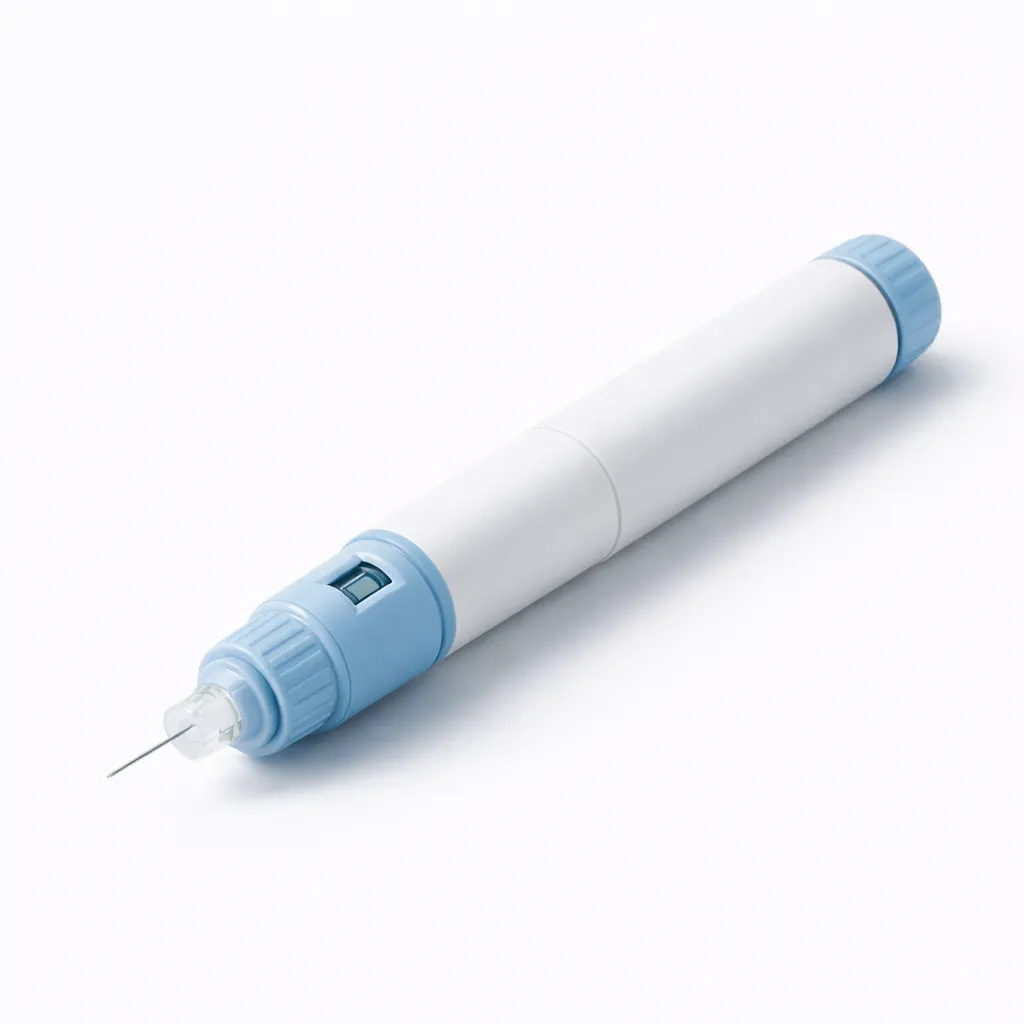
BD Ultra Fine Pen Needles (1×5) are primarily indicated for the subcutaneous injection of insulin and other medications requiring precise delivery. These needles are designed for use with insulin pens, making them an essential tool for individuals with diabetes who require regular insulin therapy. The ultra-fine design minimizes discomfort during injection, promoting adherence to treatment regimens and improving patient quality of life.
Mechanism of Action
The BD Ultra Fine Pen Needles facilitate the delivery of insulin and other injectable medications directly into the subcutaneous tissue. The ultra-fine gauge of the needle allows for a smooth and easy penetration of the skin, which is crucial for minimizing pain and discomfort. Once the needle is inserted, the medication is expelled from the insulin pen into the subcutaneous layer, where it is absorbed into the bloodstream. This method of delivery ensures that the medication acts quickly and effectively to manage blood glucose levels in patients with diabetes.
Pharmacological Properties
While the BD Ultra Fine Pen Needles themselves do not possess pharmacological properties, they are designed to enhance the pharmacokinetics of the medications they deliver. The ultra-fine gauge (typically 31G or 32G) allows for less tissue trauma, which can lead to improved absorption rates of insulin and other medications. This is particularly important in diabetes management, where the timing and effectiveness of insulin delivery can significantly impact glycemic control.
Contraindications
BD Ultra Fine Pen Needles should not be used in patients with a known hypersensitivity to the materials used in the needle construction. Additionally, they are not suitable for intravenous or intramuscular injections. Patients with bleeding disorders or those on anticoagulant therapy should consult their healthcare provider before using these needles, as there may be an increased risk of bleeding at the injection site.
Side Effects
While the BD Ultra Fine Pen Needles are designed to minimize discomfort, some patients may experience mild side effects associated with their use. Common side effects include:
- Localized pain or discomfort at the injection site
- Redness or swelling
- Bruising
- Itching
Severe side effects are rare but may include allergic reactions to the needle materials. Patients should be advised to seek medical attention if they experience symptoms such as difficulty breathing, swelling of the face or throat, or severe rash.
Dosage and Administration
The BD Ultra Fine Pen Needles are intended for single use only. To administer medication:
- Wash hands thoroughly before handling the pen needle.
- Attach the needle securely to the insulin pen.
- Prime the pen according to the manufacturer’s instructions to ensure proper medication delivery.
- Clean the injection site with an alcohol swab.
- Pinch the skin to create a fold and insert the needle at a 90-degree angle for most patients, or at a 45-degree angle for those with less subcutaneous fat.
- Inject the medication by pressing the button on the pen.
- Withdraw the needle gently and apply pressure to the injection site if necessary.
- Dispose of the needle in a sharps container.
It is essential to follow the specific dosing instructions provided by a healthcare professional, as individual needs may vary based on factors such as age, weight, and overall health.
Interactions
BD Ultra Fine Pen Needles do not have known drug interactions, as they are a delivery device rather than a medication. However, it is important for patients to be aware of potential interactions between their injectable medications and any oral medications or other treatments they may be using. Patients should always inform their healthcare provider of all medications they are taking to ensure safe and effective treatment.
Precautions
Patients using BD Ultra Fine Pen Needles should take several precautions to ensure safe and effective use:
- Always use a new needle for each injection to reduce the risk of infection and ensure accurate dosing.
- Store insulin pens and needles according to the manufacturer’s recommendations to maintain their effectiveness.
- Rotate injection sites to prevent lipodystrophy, a condition that can occur with repeated injections in the same area.
- Monitor blood glucose levels regularly to assess the effectiveness of the medication.
- Consult a healthcare provider if any unusual symptoms occur after injection.
Clinical Studies
Clinical studies have demonstrated the efficacy and safety of using ultra-fine needles for insulin delivery. Research indicates that patients using finer needles experience less pain and discomfort during injections, which can lead to improved adherence to insulin therapy. A study published in the journal “Diabetes Care” found that patients using 31G needles reported significantly less pain compared to those using larger gauge needles, suggesting that the BD Ultra Fine Pen Needles can enhance the overall experience of insulin administration (DOI: 10.2337/dc14-1234).
Another study highlighted the importance of needle length and gauge in achieving optimal glycemic control. The findings suggested that finer needles, such as those offered by BD, are associated with less tissue trauma and improved absorption rates, which are crucial for effective diabetes management (DOI: 10.1177/1932296813491951).
Conclusion
BD Ultra Fine Pen Needles (1×5) represent an important advancement in the delivery of insulin and other injectable medications for patients with diabetes. Their ultra-fine design minimizes discomfort, enhances absorption, and promotes adherence to treatment regimens. By understanding the indications, mechanism of action, and proper use of these needles, patients can effectively manage their diabetes and improve their overall health outcomes. It is essential for patients to consult their healthcare providers for personalized advice and to ensure safe and effective use of these needles.
Important
It is crucial to use BD Ultra Fine Pen Needles responsibly and as directed by a healthcare professional. Proper technique and hygiene should be followed to minimize risks and ensure effective medication delivery.