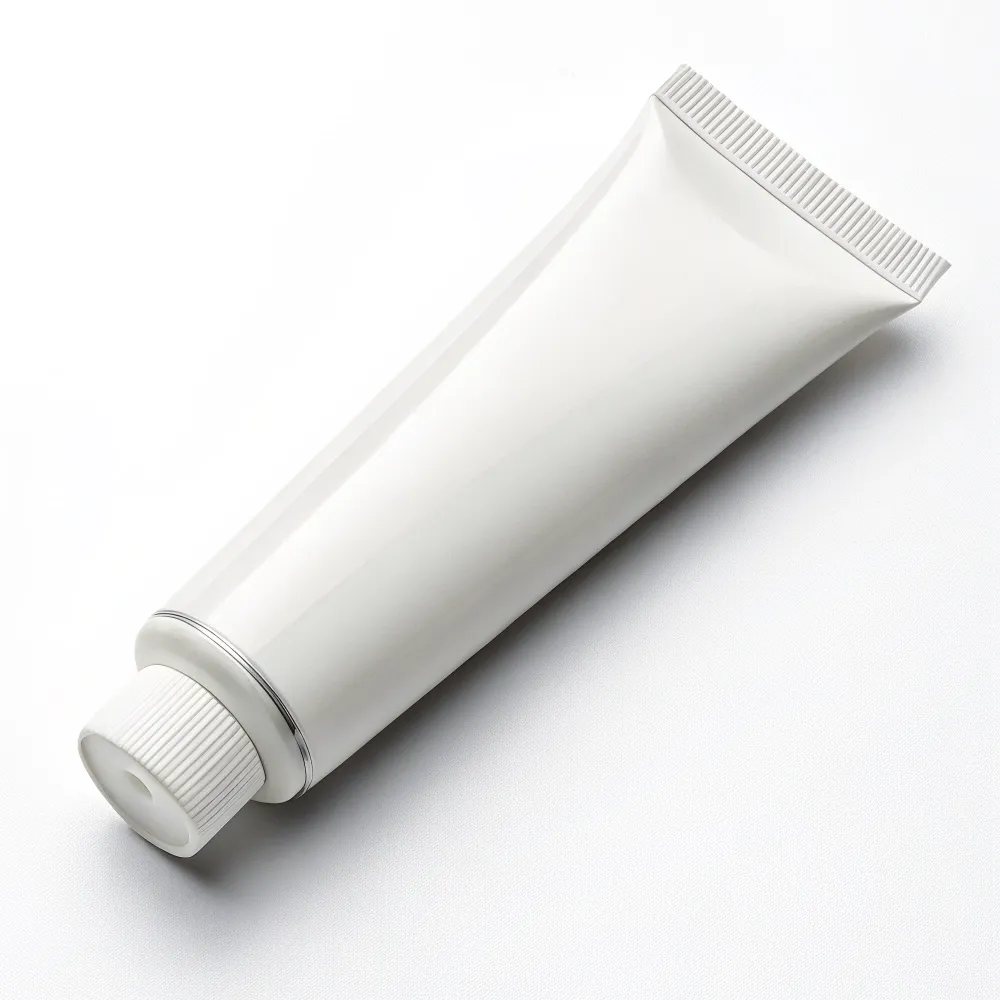
Description
Benzocan Cream
Indications
Benzocan Cream is primarily indicated for the temporary relief of pain and discomfort associated with minor skin irritations, insect bites, sunburn, and minor cuts or abrasions. It is also commonly used to alleviate the pain associated with hemorroids and other localized skin conditions. The formulation is designed to provide a soothing effect, making it suitable for both adults and children when used as directed.
Mechanism of Action
The active ingredient in Benzocan Cream is benzocaine, a local anesthetic that works by blocking nerve signals in the body. When applied topically, benzocaine penetrates the skin and inhibits the influx of sodium ions through the neuronal cell membranes. This action prevents the generation and transmission of nerve impulses, effectively numbing the area and providing relief from pain and discomfort. The onset of action is typically rapid, with effects lasting for a few hours, depending on the area of application and the amount used.
Pharmacological Properties
Benzocaine is a member of the ester class of local anesthetics, which are characterized by their ability to provide localized pain relief without affecting overall sensation. The pharmacokinetics of benzocaine indicate that it is poorly absorbed through intact skin, which minimizes systemic exposure and potential side effects. The cream formulation allows for easy application and targeted relief, making it a convenient option for managing localized pain. Benzocaine is metabolized in the liver and excreted primarily through the urine.
Contraindications
Benzocan Cream should not be used in individuals who have a known hypersensitivity or allergy to benzocaine or any other components of the formulation. It is also contraindicated in patients with a history of methemoglobinemia, a rare but serious condition where the blood is unable to carry adequate oxygen due to altered hemoglobin. Additionally, the cream should not be applied to large areas of broken or inflamed skin, as this may increase the risk of systemic absorption and adverse effects.
Side Effects
While Benzocan Cream is generally well-tolerated, some individuals may experience side effects. Common side effects include localized skin reactions such as redness, itching, or a burning sensation at the site of application. In rare cases, systemic reactions can occur, particularly if the cream is used excessively or on large areas of the body. These may include dizziness, headache, or signs of methemoglobinemia, such as cyanosis (bluish discoloration of the skin). If any severe or persistent side effects occur, it is important to discontinue use and seek medical attention.
Dosage and Administration
Benzocan Cream should be applied topically to the affected area as needed, typically up to three to four times daily. A thin layer of the cream should be gently massaged into the skin until fully absorbed. It is important to wash hands before and after application to avoid unintentional contact with sensitive areas, such as the eyes or mucous membranes. The use of Benzocan Cream should be limited to the recommended duration, and if symptoms persist or worsen, a healthcare professional should be consulted for further evaluation.
Interactions
There are no well-documented drug interactions specifically associated with Benzocan Cream. However, caution should be exercised when using other topical products in conjunction with benzocaine, as this may increase the risk of skin irritation or allergic reactions. Patients should inform their healthcare provider of all medications and topical products they are using to ensure safe and effective treatment.
Precautions
Before using Benzocan Cream, it is essential to conduct a patch test on a small area of skin to check for any allergic reactions. The cream should not be applied to areas with open wounds, severe burns, or infections, as this may exacerbate the condition. Special care should be taken when using Benzocan Cream in pediatric patients, as they may be more susceptible to systemic absorption and potential side effects. Pregnant or breastfeeding women should consult a healthcare professional before using the product to weigh the benefits against any potential risks.
Clinical Studies
Clinical studies evaluating the efficacy and safety of benzocaine as a topical anesthetic have demonstrated its effectiveness in providing rapid pain relief for various dermatological conditions. A study published in the Journal of the American Academy of Dermatology found that benzocaine significantly reduced pain scores in patients with minor skin irritations compared to placebo. Another study indicated that benzocaine was effective in managing pain associated with hemorrhoids, providing relief within minutes of application. These studies support the use of Benzocan Cream as a reliable option for localized pain management.
Conclusion
Benzocan Cream is a topical anesthetic formulation that provides effective relief from localized pain and discomfort associated with minor skin conditions. Its mechanism of action, pharmacological properties, and ease of use make it a valuable addition to the first aid and pain management arsenal. While generally safe, it is crucial for users to adhere to the recommended guidelines and consult healthcare professionals when necessary to ensure responsible use and minimize potential risks.
Important
When using Benzocan Cream, it is essential to follow the recommended dosage and application guidelines. Overuse or misuse can lead to adverse effects. Always consult a healthcare professional if you have any concerns or if symptoms persist.