Description
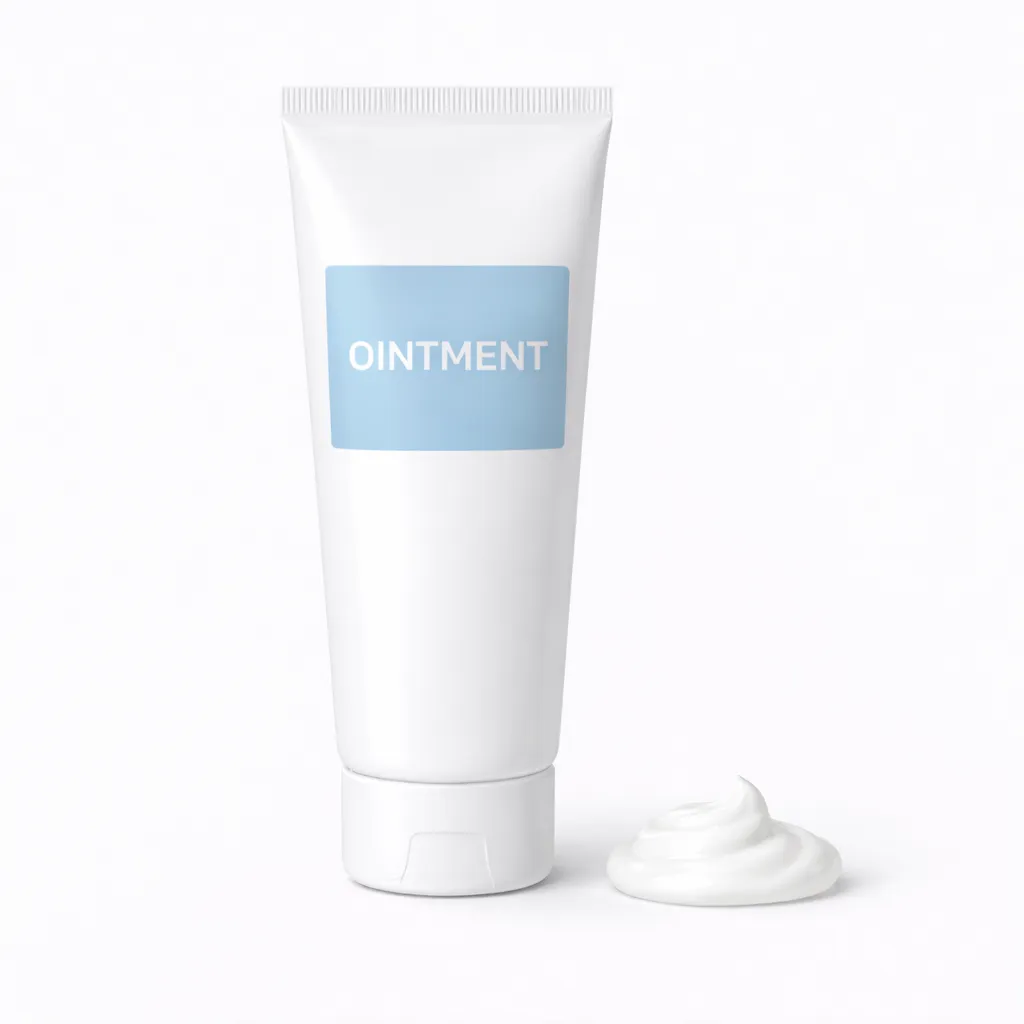
BETADINE 10% OINT 20GM
Indications
BETADINE 10% OINT 20GM is a topical antiseptic ointment primarily indicated for the prevention and treatment of infections in minor cuts, scrapes, and burns. It is also effective in managing skin infections and is commonly used in surgical settings to prepare the skin prior to surgical procedures. The active ingredient, povidone-iodine, has broad-spectrum antimicrobial activity, making it suitable for various dermatological applications.
Mechanism of Action
The active component of BETADINE, povidone-iodine, is a complex of iodine and polyvinylpyrrolidone. Upon application, it releases free iodine, which is responsible for its antiseptic properties. Iodine disrupts the protein synthesis and enzymatic activity of bacteria, viruses, fungi, and protozoa, leading to cell death. Its broad-spectrum activity allows it to effectively eliminate a wide range of pathogens, making it a versatile choice for infection control.
Pharmacological Properties
BETADINE 10% OINT exhibits a rapid onset of action due to the immediate release of free iodine upon contact with the skin. The ointment formulation allows for prolonged contact with the skin surface, enhancing its antimicrobial efficacy. Povidone-iodine is generally well-tolerated, and its antiseptic properties are maintained across a wide pH range. The ointment’s viscosity aids in its application, providing a protective barrier that helps in wound healing while preventing further contamination.
Contraindications
BETADINE 10% OINT should not be used in individuals with a known hypersensitivity to iodine or any of the other components of the ointment. It is also contraindicated in patients with thyroid disorders, particularly those who are hyperthyroid, as iodine can interfere with thyroid function. Additionally, the ointment should not be applied to large areas of broken skin or used in conjunction with other antiseptic agents unless directed by a healthcare professional.
Side Effects
Common side effects associated with the use of BETADINE 10% OINT may include local irritation, redness, and a burning sensation at the application site. Allergic reactions, although rare, can occur and may manifest as rash, itching, or swelling. Prolonged use or application over large areas may lead to systemic absorption of iodine, potentially resulting in thyroid dysfunction or other iodine-related adverse effects. If any severe reactions occur, the use of the ointment should be discontinued immediately, and medical attention should be sought.
Dosage and Administration
For optimal results, BETADINE 10% OINT should be applied to the affected area 1 to 3 times daily, depending on the severity of the condition. The area should be cleaned and dried before application. A thin layer of ointment should be spread evenly over the affected area, and it may be covered with a sterile bandage if desired. Care should be taken to avoid contact with the eyes and mucous membranes. If symptoms do not improve within a few days or worsen, it is advisable to consult a healthcare professional.
Interactions
While BETADINE 10% OINT is generally safe for use, it may interact with other topical agents, particularly those containing hydrogen peroxide or other oxidizing agents, which can inactivate iodine. Additionally, concurrent use with other antiseptics may alter the effectiveness of either agent. Patients should inform their healthcare provider of all medications and topical products they are using to avoid potential interactions. It is also important to note that the use of iodine may affect certain diagnostic tests, particularly those assessing thyroid function.
Precautions
Before using BETADINE 10% OINT, it is essential to assess the patient’s medical history for any known allergies, particularly to iodine. Caution should be exercised in patients with renal impairment, as the systemic absorption of iodine may pose risks. Pregnant and breastfeeding women should consult their healthcare provider before use, as the safety of topical iodine during pregnancy and lactation is not fully established. It is advisable to limit the use of the ointment to the smallest effective area to minimize the risk of systemic absorption.
Clinical Studies
Clinical studies have demonstrated the efficacy of povidone-iodine in reducing microbial load and preventing infections in surgical and non-surgical settings. A study published in the Journal of Clinical Microbiology showed that povidone-iodine was effective against a wide range of pathogens, including methicillin-resistant Staphylococcus aureus (MRSA) and various fungi. Another study indicated that the use of povidone-iodine ointment significantly reduced the incidence of infections in patients undergoing minor surgical procedures. These findings support the continued use of BETADINE 10% OINT as a reliable antiseptic agent in clinical practice.
Conclusion
BETADINE 10% OINT 20GM is a versatile and effective topical antiseptic that plays a crucial role in preventing and treating infections in minor wounds. Its broad-spectrum antimicrobial activity, combined with its ease of application, makes it a valuable addition to any first aid kit or surgical setting. However, like all medications, it should be used responsibly and in accordance with medical advice to ensure safety and efficacy.
Important
It is essential to use BETADINE 10% OINT responsibly and according to the instructions provided. Always consult a healthcare professional if you have any concerns or questions regarding its use. Proper application and adherence to dosage recommendations can help maximize benefits while minimizing potential risks.