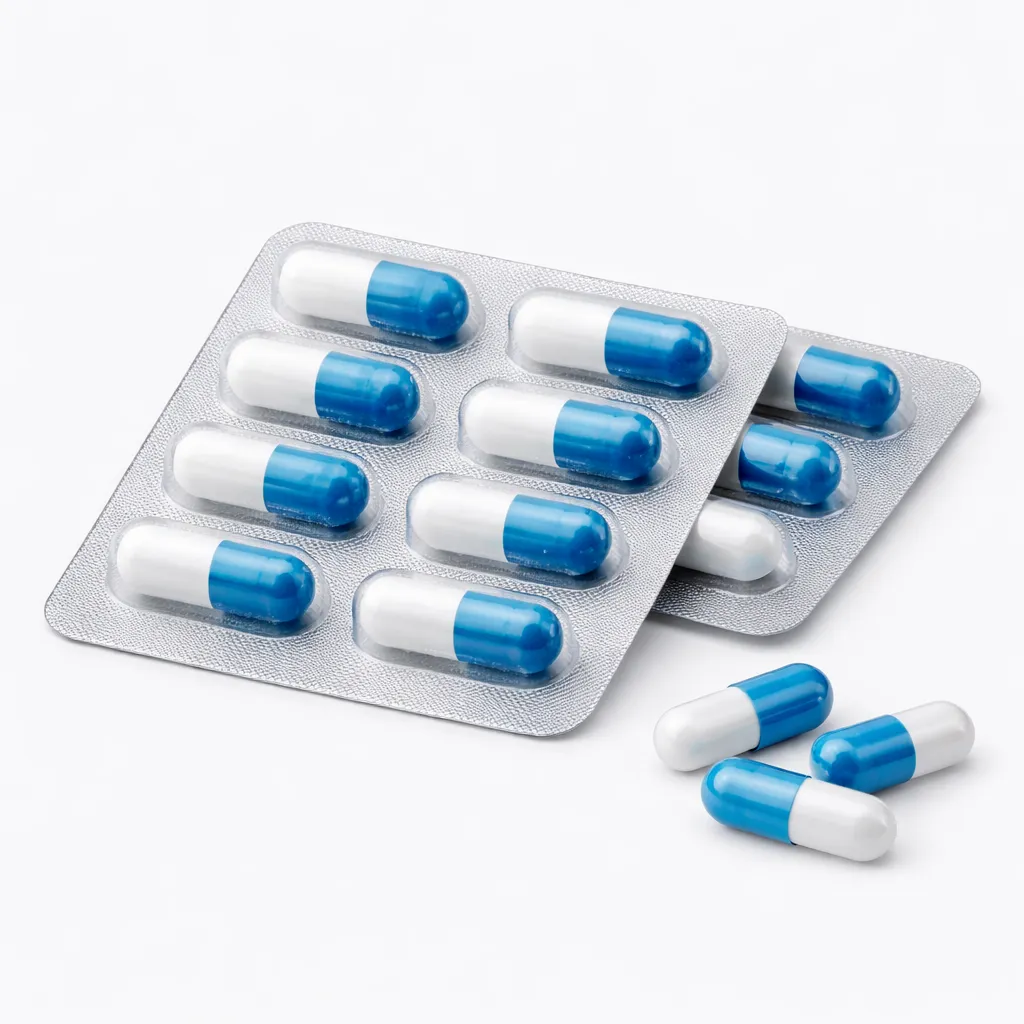
Description
BEXOL DT TAB (1X50)
Indications
BEXOL DT TAB is primarily indicated for the treatment of various conditions associated with Parkinson’s disease and other movement disorders. It is often prescribed to manage symptoms such as tremors, rigidity, and bradykinesia. Additionally, it may be utilized in the management of certain types of dystonia and other neurological conditions where dopamine agonists are beneficial. The formulation of BEXOL DT TAB allows for convenient dosing, making it easier for patients to adhere to their treatment regimens.
Mechanism of Action
The active ingredient in BEXOL DT TAB is a dopamine agonist that acts on the dopamine receptors in the brain. By stimulating these receptors, BEXOL helps to restore the balance of neurotransmitters that are often disrupted in conditions like Parkinson’s disease. This action helps to alleviate motor symptoms and improve overall motor function. The drug mimics the effects of dopamine, a neurotransmitter that is deficient in patients with Parkinson’s disease, thereby enhancing dopaminergic activity in the central nervous system.
Pharmacological Properties
BEXOL DT TAB exhibits a range of pharmacological properties that contribute to its efficacy in treating movement disorders. The drug is well-absorbed following oral administration, with peak plasma concentrations typically reached within a few hours. It has a half-life that allows for once or twice daily dosing, which is advantageous for patient compliance. The metabolism of BEXOL occurs primarily in the liver, and it is excreted mainly through the urine. Its pharmacokinetic profile supports its use in chronic conditions, providing sustained relief from symptoms over time.
Contraindications
BEXOL DT TAB is contraindicated in patients with a known hypersensitivity to the active ingredient or any of the excipients in the formulation. It should not be used in individuals with severe hepatic impairment or those with a history of psychotic disorders, as the drug may exacerbate these conditions. Additionally, caution is advised in patients with a history of cardiovascular disease, as the drug may have effects on heart rate and blood pressure.
Side Effects
Like all medications, BEXOL DT TAB may cause side effects. Common side effects include nausea, dizziness, and fatigue. Some patients may experience orthostatic hypotension, which can lead to falls, particularly in the elderly. Other potential side effects may include hallucinations, confusion, and dyskinesias. It is important for patients to report any unusual symptoms to their healthcare provider, as adjustments to the dosage or a change in medication may be necessary.
Dosage and Administration
The dosage of BEXOL DT TAB should be individualized based on the patient’s condition and response to treatment. It is typically initiated at a low dose to minimize side effects, with gradual titration as needed. For adults with Parkinson’s disease, the usual starting dose may range from 1 to 2 mg per day, which can be increased based on clinical response and tolerability. The tablet should be taken orally, preferably with food to enhance absorption. Patients should be instructed to follow their healthcare provider’s recommendations regarding dosage adjustments and to maintain regular follow-ups to monitor their progress.
Interactions
BEXOL DT TAB may interact with other medications, which can affect its efficacy or increase the risk of adverse effects. Caution should be exercised when co-administering BEXOL with other central nervous system depressants, as this may enhance sedative effects. Additionally, medications that affect liver enzymes may alter the metabolism of BEXOL, leading to changes in plasma levels. It is important for patients to inform their healthcare provider of all medications, supplements, and herbal products they are taking to avoid potential interactions.
Precautions
Before initiating treatment with BEXOL DT TAB, a thorough medical history and physical examination should be conducted. Patients with a history of cardiovascular disease, renal impairment, or psychiatric disorders should be monitored closely during treatment. Regular assessments of blood pressure and heart rate are recommended, particularly after initiating therapy or increasing the dose. Patients should be advised to avoid sudden discontinuation of the medication, as this may lead to a worsening of symptoms. Special caution is warranted in elderly patients, who may be more susceptible to side effects.
Clinical Studies
Clinical studies have demonstrated the efficacy of BEXOL DT TAB in reducing motor symptoms in patients with Parkinson’s disease. In randomized controlled trials, patients treated with BEXOL showed significant improvements in motor function compared to placebo groups. The studies also highlighted the tolerability of the drug, with a manageable side effect profile. Long-term studies suggested that BEXOL could sustain its efficacy over extended periods, providing patients with ongoing symptom relief. These findings support the use of BEXOL DT TAB as a valuable option in the management of Parkinson’s disease and related disorders.
Conclusion
BEXOL DT TAB is an effective medication for the management of Parkinson’s disease and other movement disorders. Its mechanism of action as a dopamine agonist helps to alleviate motor symptoms and improve the quality of life for patients. While it is generally well-tolerated, healthcare providers must be vigilant about potential side effects and drug interactions. Individualized dosing and regular monitoring are essential to optimize treatment outcomes. As research continues to evolve, BEXOL DT TAB remains a significant therapeutic option in the field of neurology.
Important
It is crucial to use BEXOL DT TAB responsibly and under the guidance of a healthcare professional. Patients should adhere to prescribed dosages and attend regular follow-up appointments to ensure safe and effective treatment. Always consult with a healthcare provider before making any changes to medication regimens.