Description
BUDECORT 0.5 RESPULS
Indications
BUDECORT 0.5 RESPULS is primarily indicated for the management of asthma and chronic obstructive pulmonary disease (COPD). It is used as a maintenance treatment to help prevent asthma attacks and to alleviate symptoms associated with COPD. This medication is particularly beneficial for patients who require corticosteroid therapy to manage their respiratory conditions effectively. The formulation is designed for inhalation, allowing for targeted delivery of the active ingredient directly to the lungs.
Mechanism of Action
BUDECORT 0.5 RESPULS contains budesonide, which is a potent anti-inflammatory corticosteroid. The mechanism of action involves the inhibition of inflammatory mediators, including cytokines and leukotrienes, which play a critical role in the pathophysiology of asthma and COPD. By reducing inflammation in the airways, budesonide helps to decrease mucus production, airway hyperresponsiveness, and overall airway obstruction. This leads to improved airflow and reduced respiratory symptoms in patients with chronic respiratory conditions.
Pharmacological Properties
Budesonide is characterized by its high lipophilicity, which enhances its ability to penetrate cell membranes and exert its effects at the site of action. The pharmacokinetics of BUDECORT 0.5 RESPULS reveal that it has a rapid onset of action, with peak plasma concentrations typically occurring within 30 minutes of inhalation. The drug has a relatively short half-life, requiring regular dosing to maintain therapeutic levels. Budesonide is extensively metabolized in the liver, primarily through the cytochrome P450 enzyme system, leading to its active metabolites, which also contribute to its therapeutic effects.
Contraindications
BUDECORT 0.5 RESPULS is contraindicated in patients with a known hypersensitivity to budesonide or any of the excipients in the formulation. It should not be used in patients with acute bronchospasm or those who require immediate relief from respiratory distress. Additionally, caution is advised in patients with active or untreated infections, particularly those involving the respiratory tract, as corticosteroids can suppress the immune response and exacerbate infections.
Side Effects
As with any medication, BUDECORT 0.5 RESPULS may cause side effects. Commonly reported side effects include oral thrush, hoarseness, and cough. Other potential side effects may include headache, nausea, and gastrointestinal disturbances. Long-term use of inhaled corticosteroids may lead to systemic effects such as adrenal suppression, osteoporosis, and growth retardation in pediatric patients. It is essential for patients to be monitored regularly for any adverse effects during treatment.
Dosage and Administration
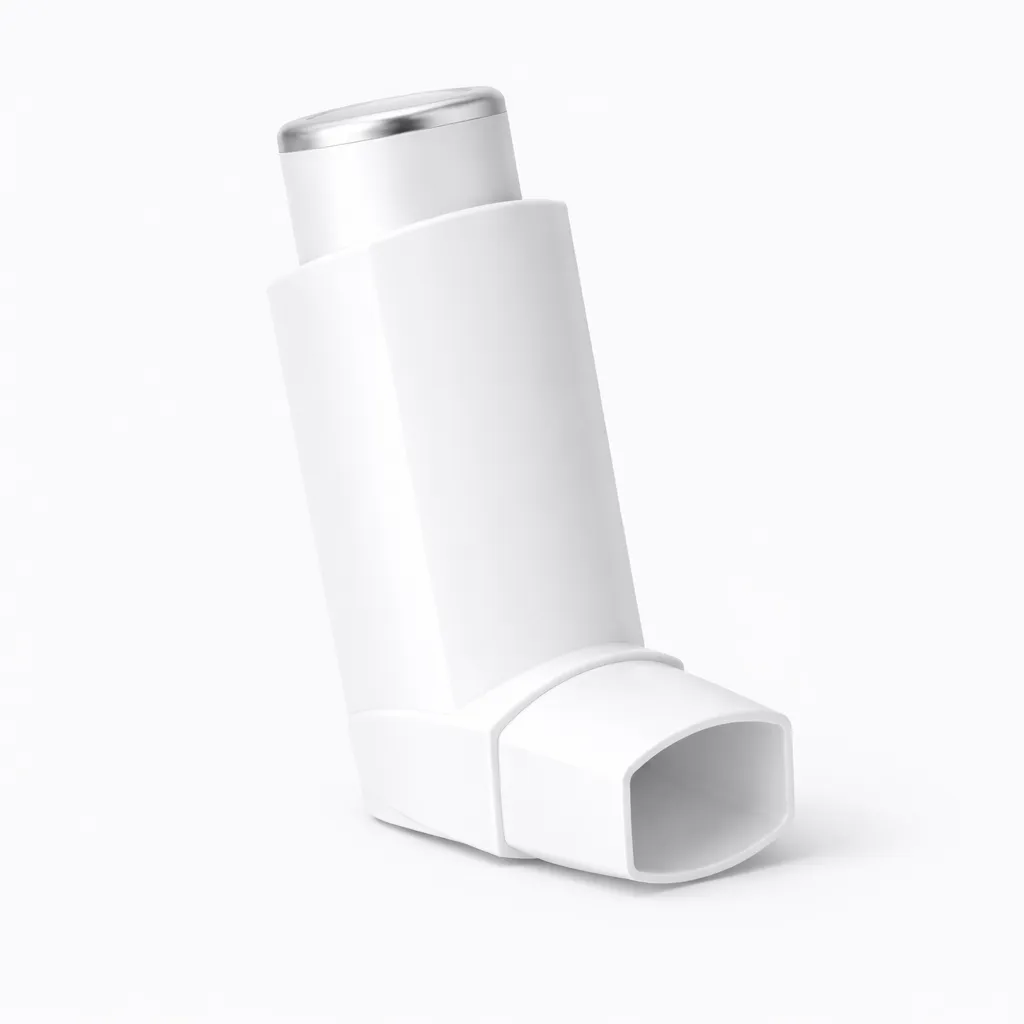
The recommended dosage of BUDECORT 0.5 RESPULS varies based on the severity of the condition and the patient’s age. For adults and children over 12 years, the typical starting dose is 200 to 400 micrograms per day, administered as two inhalations of 100 to 200 micrograms twice daily. For children aged 6 to 12 years, the recommended dose is typically lower, around 100 to 200 micrograms per day. The inhalation device should be used according to the manufacturer’s instructions to ensure proper delivery of the medication. Patients should be advised to rinse their mouths after inhalation to reduce the risk of oral thrush.
Interactions
BUDECORT 0.5 RESPULS may interact with other medications, particularly those that are metabolized by the cytochrome P450 enzyme system. Drugs that induce or inhibit these enzymes can alter the plasma levels of budesonide, potentially leading to reduced efficacy or increased risk of side effects. Patients should inform their healthcare provider of all medications they are taking, including over-the-counter drugs and herbal supplements, to avoid potential interactions. Special caution is warranted when used in conjunction with other corticosteroids or immunosuppressive agents.
Precautions
Patients using BUDECORT 0.5 RESPULS should be monitored for signs of worsening asthma or COPD symptoms, particularly during periods of respiratory infection or exacerbation. It is essential to educate patients about the importance of adhering to their prescribed regimen and not to discontinue the medication abruptly without consulting their healthcare provider. Additionally, patients with a history of tuberculosis, fungal infections, or other chronic infections should be closely monitored while using this medication, as corticosteroids can suppress the immune system.
Clinical Studies
Numerous clinical studies have evaluated the efficacy and safety of budesonide in the management of asthma and COPD. One pivotal study demonstrated that patients receiving budesonide experienced a significant reduction in the frequency of asthma exacerbations compared to those receiving a placebo. Furthermore, long-term studies have shown that budesonide can improve lung function and quality of life in patients with moderate to severe asthma. In COPD patients, budesonide has been associated with decreased rates of exacerbations and improved respiratory symptoms. These findings support the use of BUDECORT 0.5 RESPULS as an effective treatment option for managing chronic respiratory conditions.
Conclusion
BUDECORT 0.5 RESPULS is a valuable therapeutic option for patients suffering from asthma and COPD. Its anti-inflammatory properties, along with its targeted delivery system, make it an effective choice for managing respiratory symptoms and preventing exacerbations. However, it is crucial for patients to use this medication responsibly and under the guidance of a healthcare professional to minimize the risk of side effects and ensure optimal therapeutic outcomes. Regular follow-up and monitoring are essential to assess the efficacy of the treatment and make necessary adjustments to the dosage or administration as needed.
Important
It is essential to use BUDECORT 0.5 RESPULS responsibly and as prescribed by a healthcare professional. Patients should be aware of the potential side effects and interactions with other medications. Regular consultations with a healthcare provider are recommended to ensure safe and effective use of this medication.