Description
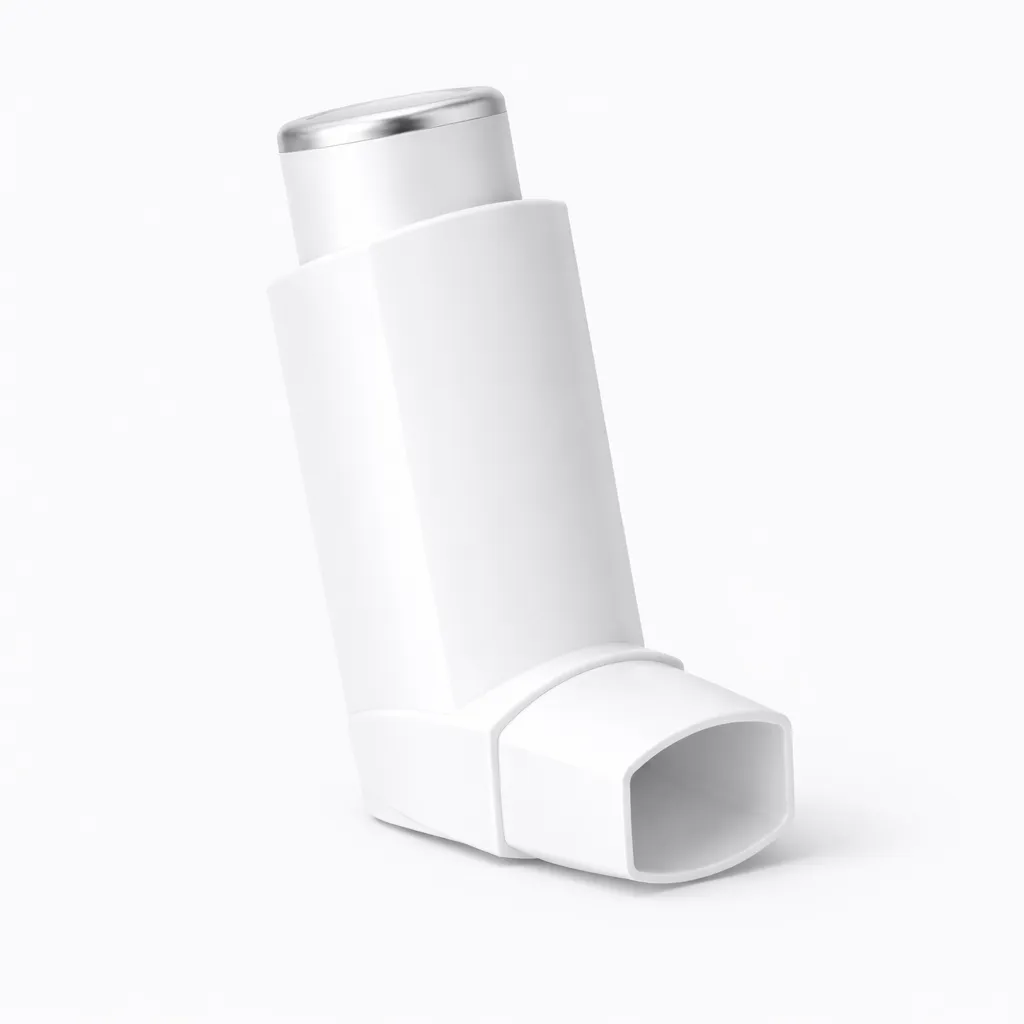
BUDEFINE 200 MCG INHALER
Indications
BUDEFINE 200 MCG INHALER is primarily indicated for the management of asthma and chronic obstructive pulmonary disease (COPD). It is designed to provide relief from bronchospasm and to improve airflow in patients experiencing respiratory distress. The inhaler is suitable for both adults and children over the age of 12, and it is often prescribed as part of a comprehensive treatment plan that may include other medications and lifestyle modifications.
Mechanism of Action
BUDEFINE contains the active ingredient budesonide, which is a corticosteroid. The mechanism of action involves the reduction of inflammation in the airways, leading to decreased mucus production and bronchial hyperreactivity. Budesonide works by inhibiting the release of inflammatory mediators and cytokines, thereby stabilizing mast cells and reducing the overall inflammatory response in the lungs. This action helps to prevent asthma attacks and alleviate symptoms associated with COPD.
Pharmacological Properties
Budesonide is characterized by its high affinity for glucocorticoid receptors, which contributes to its potent anti-inflammatory effects. The pharmacokinetics of BUDEFINE indicate that it has a rapid onset of action, typically within 1 to 2 hours after inhalation, with peak effects observed around 4 to 6 hours. The drug undergoes extensive first-pass metabolism in the liver, resulting in a relatively low systemic bioavailability of approximately 10%. The inhalation route allows for targeted delivery to the lungs, minimizing systemic side effects while maximizing local therapeutic effects.
Contraindications
BUDEFINE 200 MCG INHALER is contraindicated in patients with a known hypersensitivity to budesonide or any of the excipients in the formulation. Additionally, it should not be used in patients with acute bronchospasm or in cases of severe respiratory distress where immediate bronchodilation is required. Caution is advised in patients with active or untreated infections, particularly those affecting the respiratory system, as corticosteroids can suppress the immune response.
Side Effects
Common side effects associated with the use of BUDEFINE may include oral thrush, hoarseness, cough, and throat irritation. These effects are generally mild and can often be mitigated by rinsing the mouth after inhalation. Serious side effects, although rare, may include adrenal suppression, pneumonia in patients with COPD, and hypersensitivity reactions. Patients should be monitored for any signs of infection or unusual symptoms and advised to report these to their healthcare provider promptly.
Dosage and Administration
The recommended dosage of BUDEFINE 200 MCG INHALER varies based on the severity of the condition being treated. For adults and children over 12 years, the usual starting dose is 200 to 400 mcg twice daily, with a maximum dose not exceeding 800 mcg per day. It is essential to use the inhaler consistently, as prescribed, to achieve optimal control of asthma or COPD symptoms. Patients should be instructed on the proper inhalation technique to ensure effective delivery of the medication to the lungs.
Interactions
BUDEFINE may interact with other medications, particularly those that are metabolized by the cytochrome P450 enzyme system. Co-administration with strong CYP3A4 inhibitors, such as ketoconazole or ritonavir, may increase the plasma concentration of budesonide, potentially leading to increased side effects. Patients should inform their healthcare provider of all medications they are taking, including over-the-counter drugs and herbal supplements, to avoid potential interactions.
Precautions
Before initiating therapy with BUDEFINE, it is crucial to assess the patient’s medical history, particularly regarding previous respiratory infections, tuberculosis, or other chronic conditions. Patients with a history of adrenal insufficiency or those undergoing stress (e.g., surgery, severe illness) may require additional monitoring and possible adjustment of corticosteroid therapy. Regular follow-up appointments are recommended to evaluate the effectiveness of the treatment and to make any necessary adjustments to the dosage.
Clinical Studies
Several clinical studies have demonstrated the efficacy of BUDEFINE in improving lung function and reducing the frequency of asthma exacerbations. In a randomized controlled trial involving patients with moderate to severe asthma, those treated with budesonide showed significant improvements in forced expiratory volume (FEV1) compared to placebo. Additionally, studies have indicated that the use of inhaled corticosteroids like budesonide can lead to a reduction in the need for rescue medications and hospitalizations due to asthma or COPD exacerbations. These findings support the role of BUDEFINE as an effective component of asthma and COPD management.
Conclusion
BUDEFINE 200 MCG INHALER is a valuable therapeutic option for patients suffering from asthma and COPD. Its anti-inflammatory properties, combined with a favorable safety profile when used as directed, make it an essential part of respiratory disease management. Patients should be educated about the correct use of the inhaler and the importance of adherence to prescribed therapy to achieve optimal outcomes. Regular follow-up with healthcare providers is critical to monitor the effectiveness of treatment and to make necessary adjustments.
Important
It is essential to use BUDEFINE 200 MCG INHALER responsibly and only as prescribed by a healthcare professional. Patients should be aware of the potential side effects and interactions with other medications. Always consult with your healthcare provider for personalized medical advice and to ensure safe and effective use of this inhaler.