
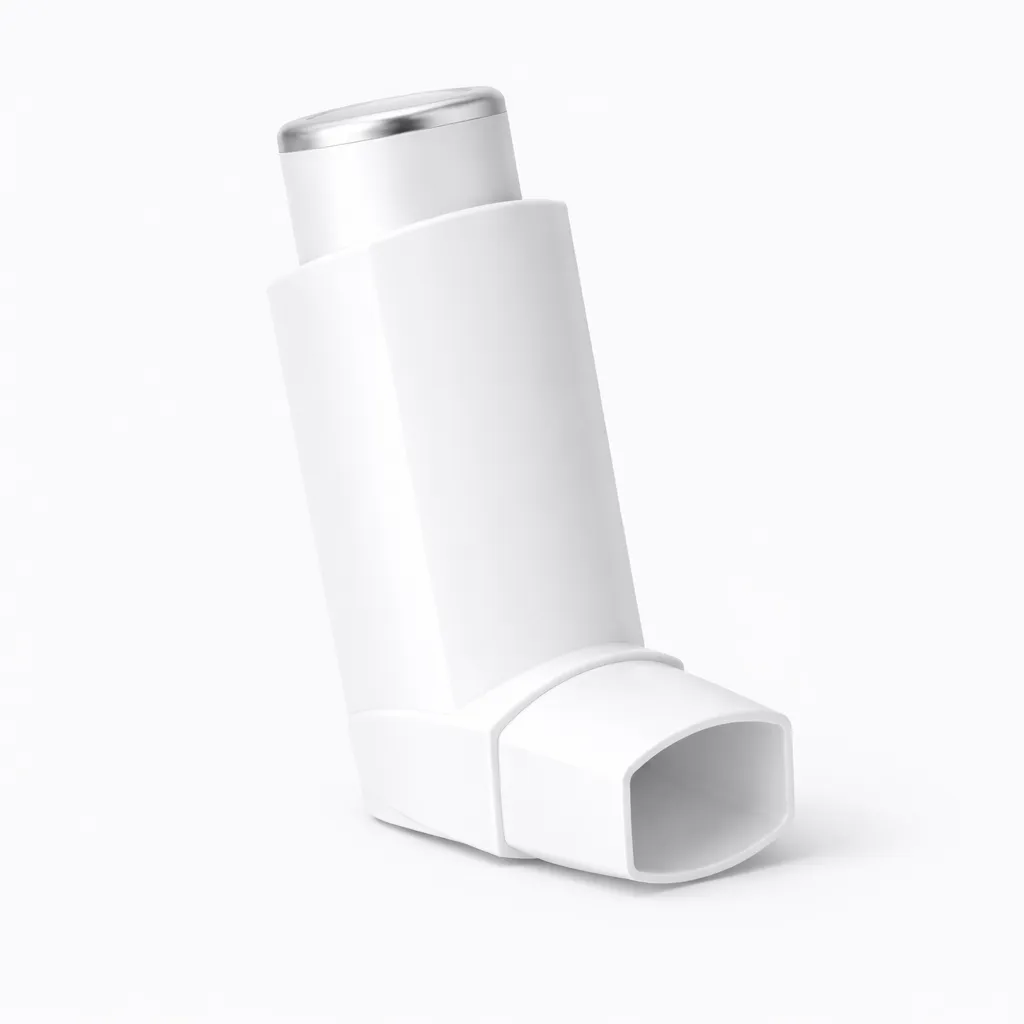
Description
BUDETROL INHALER 200 MCG
Indications
Budetrol Inhaler 200 mcg is primarily indicated for the management of asthma and chronic obstructive pulmonary disease (COPD). It is designed to provide relief from bronchospasm, which is a narrowing of the air passages in the lungs, making it difficult for patients to breathe. This inhaler is particularly useful for patients experiencing acute episodes of wheezing or shortness of breath, as well as for those requiring maintenance therapy to prevent such episodes.
Mechanism of Action
Budetrol contains budesonide, a corticosteroid, and formoterol, a long-acting beta-2 adrenergic agonist (LABA). Budesonide works by reducing inflammation in the airways, thereby decreasing mucus production and swelling, which helps to open the airways. Formoterol, on the other hand, stimulates beta-2 receptors in the bronchial smooth muscle, leading to muscle relaxation and bronchodilation. The combination of these two active ingredients allows for both immediate relief of symptoms and long-term control of airway inflammation.
Pharmacological Properties
Budetrol Inhaler 200 mcg exhibits several pharmacological properties that contribute to its effectiveness in treating respiratory conditions. Budesonide has a high affinity for glucocorticoid receptors, leading to potent anti-inflammatory effects. It is rapidly absorbed after inhalation, with a bioavailability of approximately 30% due to extensive first-pass metabolism in the liver. Formoterol has a rapid onset of action, typically within 1-3 minutes, and a prolonged duration of action, lasting up to 12 hours. The combination of these properties allows for both quick relief and sustained control of asthma and COPD symptoms.
Contraindications
Budetrol Inhaler 200 mcg is contraindicated in patients with a known hypersensitivity to budesonide, formoterol, or any other ingredients in the formulation. It should not be used as a rescue inhaler for acute bronchospasm. Additionally, patients with severe asthma or COPD exacerbations requiring immediate medical attention should not rely solely on this medication. Caution is advised in patients with cardiovascular disorders, as formoterol may cause cardiovascular side effects.
Side Effects
Common side effects associated with the use of Budetrol Inhaler 200 mcg may include headache, throat irritation, cough, and nausea. More serious side effects can occur, including palpitations, increased heart rate, and hypertension due to the beta-agonist component. Long-term use of corticosteroids may lead to systemic effects such as adrenal suppression, osteoporosis, and increased risk of infections. Patients should be monitored regularly for any adverse effects, and any concerns should be discussed with a healthcare provider.
Dosage and Administration
The recommended dosage for adults and children over 12 years of age is typically two inhalations (200 mcg) twice daily. It is essential to use the inhaler consistently at the same times each day to maintain optimal control of symptoms. For patients who are not currently on a bronchodilator, a healthcare provider may recommend a lower starting dose to assess tolerance. The inhaler should be shaken well before use, and patients should be instructed on the proper inhalation technique to ensure effective delivery of the medication to the lungs.
Interactions
Budetrol Inhaler may interact with other medications, which can affect its efficacy or increase the risk of side effects. Concomitant use of other beta-agonists may lead to additive effects, increasing the risk of cardiovascular side effects. Certain medications, such as monoamine oxidase inhibitors (MAOIs) and tricyclic antidepressants, may also potentiate the effects of formoterol. Patients should inform their healthcare providers of all medications they are taking, including over-the-counter drugs and herbal supplements, to avoid potential interactions.
Precautions
Patients using Budetrol Inhaler 200 mcg should be cautioned about the potential for paradoxical bronchospasm, which is a rare but serious condition that can occur after inhalation of a beta-agonist. If this occurs, the patient should discontinue use immediately and seek medical attention. Additionally, patients with a history of seizures, hyperthyroidism, or diabetes should use this medication with caution, as formoterol can exacerbate these conditions. Regular follow-up with a healthcare provider is essential to monitor the patient’s response to therapy and adjust the treatment plan as necessary.
Clinical Studies
Clinical studies have demonstrated the efficacy of Budetrol Inhaler in controlling asthma and COPD symptoms. In a randomized controlled trial involving patients with moderate to severe asthma, those using Budetrol showed significant improvements in lung function and a reduction in the frequency of exacerbations compared to those receiving a placebo. Another study focusing on COPD patients indicated that Budetrol effectively improved quality of life and reduced the need for rescue medication. These findings support the use of Budetrol Inhaler as a valuable therapeutic option for managing chronic respiratory conditions.
Conclusion
Budetrol Inhaler 200 mcg is an effective combination therapy for patients suffering from asthma and COPD. With its dual action of reducing inflammation and promoting bronchodilation, it provides both immediate relief and long-term control of symptoms. However, careful consideration of contraindications, potential side effects, and drug interactions is essential for safe and effective use. Patients should work closely with their healthcare providers to develop an individualized treatment plan that addresses their specific needs and health status.
Important
It is crucial to use Budetrol Inhaler 200 mcg responsibly and in accordance with your healthcare provider’s instructions. This medication is intended for the management of asthma and COPD and should not be used as a rescue inhaler for acute attacks. Always consult with a healthcare professional before making any changes to your medication regimen.

