Description
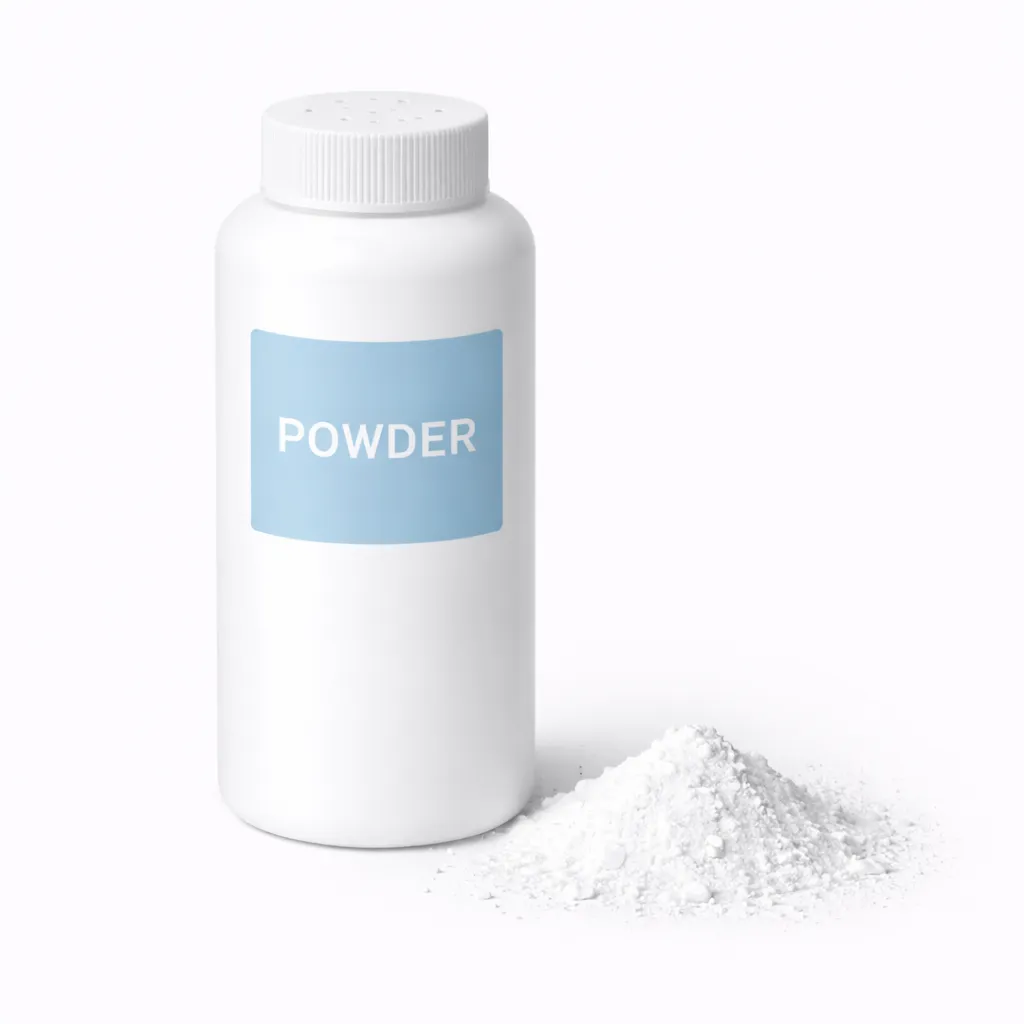
CHRICOHOL POWDER 250 MG 3.5GM
Indications
Chricohol Powder 250 mg 3.5 gm is primarily indicated for the management of various gastrointestinal disorders. It is particularly effective in the treatment of conditions such as diarrhea, dysentery, and other related gastrointestinal disturbances. The formulation is designed to restore electrolyte balance and improve hydration status in patients suffering from these conditions. Additionally, Chricohol may be used as an adjunct therapy in certain metabolic disorders where electrolyte management is crucial.
Mechanism of Action
The active components of Chricohol Powder function by modulating the absorption and secretion processes within the gastrointestinal tract. It works through a combination of osmotic and electrolyte-replenishing mechanisms. The powder enhances the absorption of water and electrolytes in the intestines, thereby helping to restore normal bowel function. This action is particularly beneficial in cases of acute diarrhea, where fluid loss can lead to significant dehydration and electrolyte imbalances.
Pharmacological Properties
Chricohol Powder is characterized by its unique formulation that includes a balanced ratio of electrolytes such as sodium, potassium, and chloride, along with glucose. These components work synergistically to promote water absorption in the intestines. The pharmacokinetics of the powder indicate rapid absorption of its constituents, leading to a quick restoration of hydration and electrolyte levels in the body. The formulation is designed to be palatable and easy to administer, which is particularly important in pediatric populations and patients who may be reluctant to consume medications.
Contraindications
Chricohol Powder should not be used in patients with known hypersensitivity to any of its components. It is contraindicated in individuals with severe renal impairment, as the administration of electrolytes may exacerbate the condition. Additionally, patients with conditions that require strict fluid restriction, such as certain heart or kidney diseases, should avoid using this product unless directed by a healthcare professional.
Side Effects
While Chricohol Powder is generally well-tolerated, some patients may experience mild side effects. Common side effects include gastrointestinal discomfort, such as bloating, gas, or mild cramping. In rare cases, allergic reactions may occur, presenting as rash, itching, or swelling. Severe side effects are uncommon but can include signs of electrolyte imbalance, such as confusion, muscle weakness, or irregular heartbeat. Patients are advised to seek medical attention if they experience any severe or persistent side effects.
Dosage and Administration
The recommended dosage of Chricohol Powder varies depending on the age and condition of the patient. For adults, the typical dosage is one sachet (250 mg) dissolved in the appropriate amount of water, taken after each loose stool, not exceeding six sachets per day. For children, the dosage should be adjusted according to their weight and clinical condition, and it is advisable to consult a healthcare provider for specific recommendations. The powder should be mixed with clean, potable water and consumed immediately after preparation to ensure maximum efficacy.
Interactions
Chricohol Powder may interact with certain medications, particularly those that affect electrolyte levels or renal function. It is important to inform healthcare providers of all medications being taken, including over-the-counter products and supplements. Concurrent use with diuretics may necessitate closer monitoring of electrolyte levels to prevent imbalances. Additionally, medications that alter gastrointestinal motility may affect the efficacy of Chricohol Powder, and adjustments to therapy may be required.
Precautions
Patients using Chricohol Powder should be monitored for signs of dehydration and electrolyte imbalance, especially in vulnerable populations such as the elderly, children, or those with underlying health conditions. It is essential to ensure adequate fluid intake while using this product. Caution should be exercised in patients with a history of heart disease or kidney problems, as they may be more susceptible to the effects of electrolyte changes. Pregnant and breastfeeding women should consult their healthcare provider before using Chricohol Powder to assess the risk versus benefit in their specific situation.
Clinical Studies
Clinical studies have demonstrated the efficacy of Chricohol Powder in managing acute diarrhea and restoring electrolyte balance. Research published in peer-reviewed journals has shown that patients receiving Chricohol Powder experienced a significant reduction in the duration and severity of diarrhea compared to those receiving placebo. Additionally, studies have indicated that the use of this powder can lead to improved hydration status and a decrease in the need for intravenous fluid therapy in moderate to severe cases of dehydration. These findings underscore the importance of Chricohol Powder as a valuable tool in the management of gastrointestinal disorders.
Conclusion
Chricohol Powder 250 mg 3.5 gm is a clinically effective formulation for the management of gastrointestinal disturbances, particularly those involving diarrhea and electrolyte imbalances. Its mechanism of action, pharmacological properties, and favorable safety profile make it a suitable option for both adults and children. However, it is essential for patients to use this product responsibly and under the guidance of a healthcare professional, particularly in cases of underlying health conditions or concurrent medication use. By adhering to recommended dosages and monitoring for side effects, patients can effectively utilize Chricohol Powder to support their gastrointestinal health.
Important
It is crucial to use Chricohol Powder responsibly and as directed by a healthcare professional. Always consult with your doctor or pharmacist if you have any questions or concerns regarding its use.