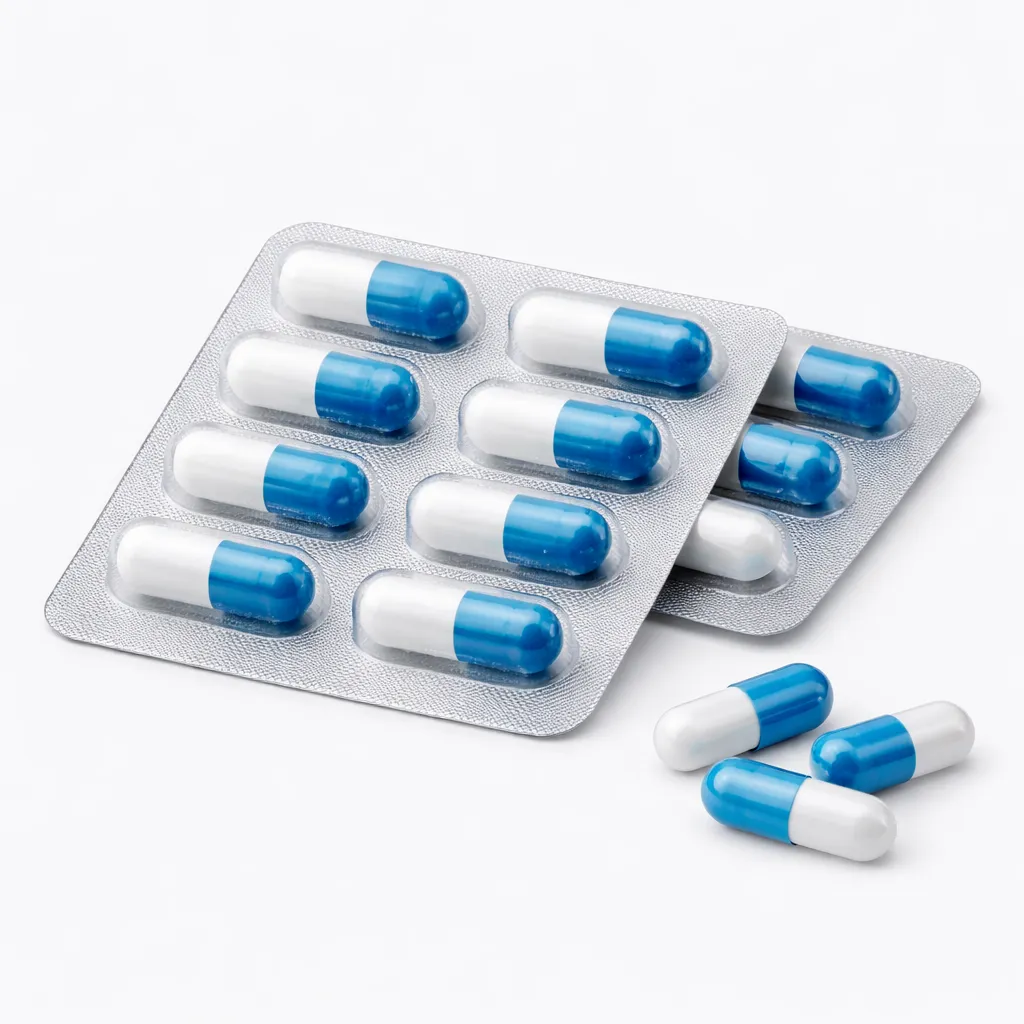
Description
CRESTOR 40 MG (1X15)
Indications
CRESTOR (rosuvastatin calcium) is indicated for the treatment of hyperlipidemia and the reduction of cardiovascular risk. It is primarily prescribed for patients with elevated levels of low-density lipoprotein (LDL) cholesterol, triglycerides, and for increasing high-density lipoprotein (HDL) cholesterol. CRESTOR is also used in patients with a family history of early heart disease and those with conditions such as diabetes or hypertension, where cholesterol management is crucial for reducing the risk of atherosclerotic cardiovascular disease.
Mechanism of Action
CRESTOR is a member of the statin class of medications, which work by inhibiting the enzyme HMG-CoA reductase. This enzyme plays a central role in the biosynthesis of cholesterol in the liver. By blocking this enzyme, CRESTOR effectively reduces the production of cholesterol, leading to a decrease in circulating LDL cholesterol levels. Additionally, the reduction of cholesterol levels can promote the uptake of LDL from the bloodstream, further contributing to lower overall cholesterol levels. This mechanism not only aids in managing hyperlipidemia but also has beneficial effects on endothelial function and inflammation, which are critical in cardiovascular health.
Pharmacological Properties
CRESTOR is characterized by its high potency and long half-life, allowing for once-daily dosing. It is well-absorbed following oral administration, with peak plasma concentrations occurring within 3 to 5 hours. The bioavailability of CRESTOR is not significantly affected by food intake, making it convenient for patients. The drug is primarily metabolized in the liver, with a minor contribution from the kidneys. Its elimination half-life is approximately 19 hours, allowing for stable plasma concentrations over a 24-hour period. CRESTOR is predominantly excreted as metabolites in the feces, with a small percentage excreted unchanged in the urine.
Contraindications
CRESTOR is contraindicated in patients with a known hypersensitivity to rosuvastatin or any of its components. It should not be used in individuals with active liver disease or unexplained persistent elevations in hepatic transaminases. Additionally, CRESTOR is contraindicated in pregnant and nursing women, as the safety of the drug in these populations has not been established. Patients with severe renal impairment or those on certain medications that may significantly increase rosuvastatin levels should also avoid using CRESTOR.
Side Effects
Common side effects associated with CRESTOR include headache, myalgia, abdominal pain, and nausea. Serious side effects, although rare, can occur and may include muscle pain or weakness (myopathy), liver enzyme abnormalities, and an increased risk of diabetes. Patients should be monitored for signs of muscle-related symptoms, especially if they have a history of muscle disorders or are taking other medications that may increase the risk of myopathy. Liver function tests should be performed before initiating treatment and periodically thereafter to monitor for potential liver-related issues.
Dosage and Administration
The recommended starting dose of CRESTOR is typically 10 mg once daily. Depending on the patient’s response and cholesterol levels, the dose may be adjusted up to a maximum of 40 mg per day. It is essential to titrate the dose based on LDL cholesterol levels and individual patient response, with adjustments made at intervals of at least 4 weeks. CRESTOR can be taken at any time of the day, with or without food, providing flexibility for patients in their daily routines.
Interactions
CRESTOR may interact with various medications, which can affect its efficacy and safety profile. Co-administration with other lipid-lowering agents, particularly fibrates, may increase the risk of myopathy. Certain medications that inhibit the cytochrome P450 2C9 enzyme, such as warfarin, may also increase rosuvastatin levels and necessitate careful monitoring. Additionally, antacids containing aluminum or magnesium may reduce the absorption of CRESTOR if taken simultaneously; therefore, it is recommended to space the administration of these medications by at least 2 hours. Patients should inform their healthcare provider of all medications they are taking to avoid potential interactions.
Precautions
Before initiating treatment with CRESTOR, healthcare providers should assess the patient’s medical history, particularly any history of liver disease, renal impairment, or muscle disorders. Caution should be exercised in patients over 65 years of age, as they may be more susceptible to side effects. Regular monitoring of liver enzymes and muscle symptoms is advised throughout the course of treatment. Patients should be educated about the signs of myopathy and advised to report any unexplained muscle pain, tenderness, or weakness promptly.
Clinical Studies
Clinical studies have demonstrated the efficacy of CRESTOR in reducing LDL cholesterol levels and improving overall lipid profiles. In a pivotal study, patients treated with CRESTOR showed significant reductions in LDL cholesterol compared to placebo, along with improvements in HDL cholesterol levels. Furthermore, studies have indicated that CRESTOR not only lowers cholesterol but also reduces the risk of major cardiovascular events, including heart attack and stroke, particularly in high-risk populations. These findings support the use of CRESTOR as a first-line therapy for patients with dyslipidemia and those at elevated risk for cardiovascular disease.
Conclusion
CRESTOR 40 MG is a potent statin medication indicated for the management of hyperlipidemia and the reduction of cardiovascular risk. Its mechanism of action, pharmacological properties, and extensive clinical evidence support its efficacy in lowering LDL cholesterol and improving cardiovascular outcomes. While generally well-tolerated, it is important for healthcare providers to monitor patients for potential side effects and drug interactions. CRESTOR represents an important option in the therapeutic arsenal for managing cholesterol levels and promoting heart health.
Important
It is crucial to use CRESTOR responsibly and under the guidance of a healthcare professional. Patients should adhere to prescribed dosages and report any side effects or concerns to their doctor. Regular follow-up appointments are essential for monitoring health and adjusting treatment as necessary.