Description
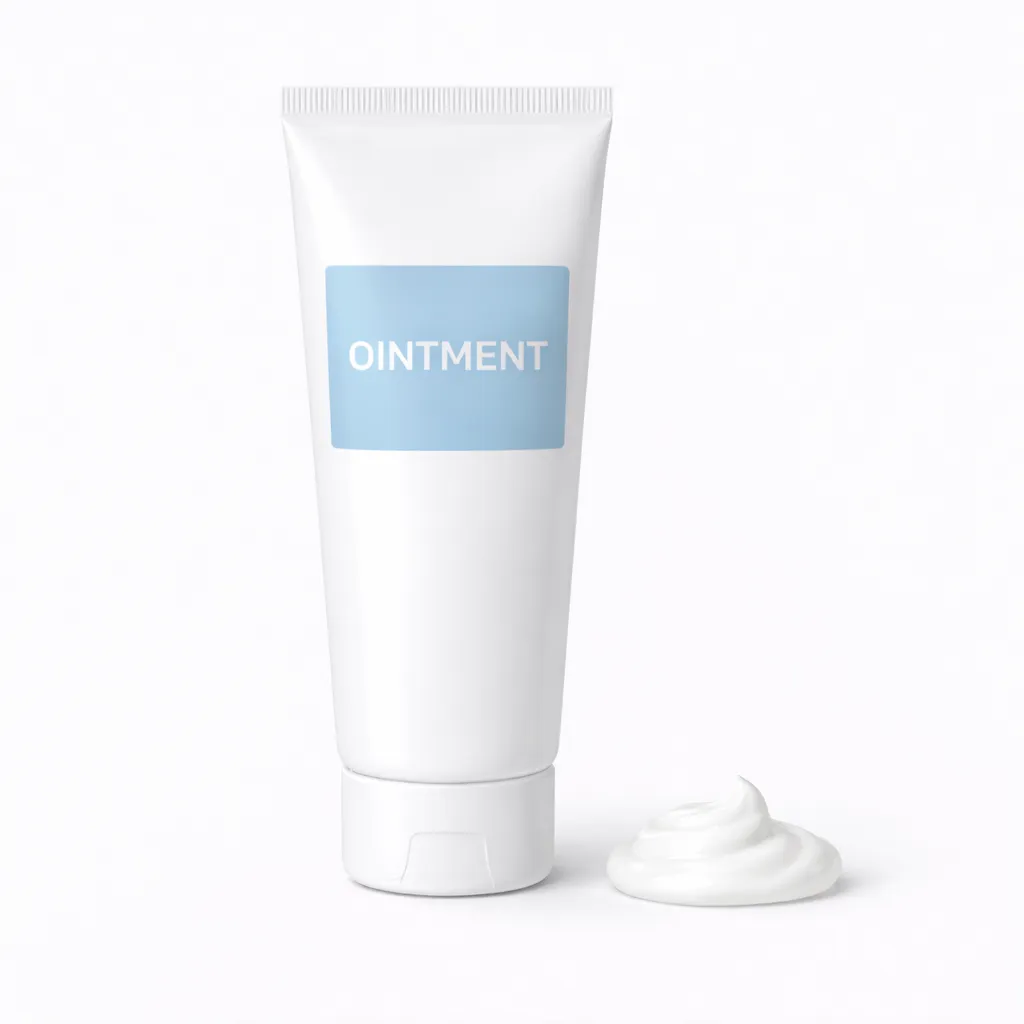
CRISAFREE 2% OINT 10GM
Indications
CRISAFREE 2% OINT 10GM is primarily indicated for the treatment of various dermatological conditions, particularly those associated with inflammation and itching. It is effective in managing symptoms of eczema, psoriasis, dermatitis, and other inflammatory skin disorders. The ointment is designed to alleviate discomfort and promote healing in affected areas, making it a valuable option in dermatological therapy.
Mechanism of Action
The active ingredient in CRISAFREE 2% OINT is crisaborole, a phosphodiesterase 4 (PDE4) inhibitor. By inhibiting PDE4, crisaborole increases the levels of cyclic adenosine monophosphate (cAMP) within cells, leading to a reduction in pro-inflammatory cytokine production. This mechanism helps to decrease inflammation and pruritus (itching) associated with various skin conditions. The ointment formulation allows for enhanced penetration and prolonged contact with the skin, optimizing therapeutic effects.
Pharmacological Properties
CRISAFREE 2% OINT exhibits several pharmacological properties that contribute to its efficacy in treating skin conditions. The ointment is characterized by its anti-inflammatory and antipruritic effects, which are essential for managing symptoms of inflammatory skin diseases. Additionally, the ointment has a favorable safety profile, with minimal systemic absorption, making it suitable for use in sensitive populations, including children and adults. The formulation is designed to be non-greasy and easily applicable, enhancing patient compliance.
Contraindications
CRISAFREE 2% OINT is contraindicated in patients with a known hypersensitivity to crisaborole or any other components of the formulation. Patients with a history of allergic reactions to similar medications should also avoid using this ointment. It is essential to perform a patch test prior to widespread application, especially in individuals with sensitive skin or a history of skin allergies.
Side Effects
While CRISAFREE 2% OINT is generally well-tolerated, some patients may experience side effects. Common adverse reactions include application site reactions such as burning, stinging, or itching. These symptoms are typically mild and transient. In rare cases, more severe allergic reactions may occur, necessitating immediate medical attention. Patients should be advised to discontinue use and consult a healthcare professional if they experience significant discomfort or any signs of an allergic reaction.
Dosage and Administration
The recommended dosage of CRISAFREE 2% OINT is to apply a thin layer to the affected area of the skin twice daily. It is important to gently massage the ointment into the skin until fully absorbed. Treatment duration may vary depending on the severity of the condition and the clinical response. Patients should be advised to follow their healthcare provider’s instructions regarding the duration of therapy and to avoid occlusive dressings unless directed by a physician.
Interactions
Currently, there are no known significant drug interactions associated with CRISAFREE 2% OINT. However, patients should inform their healthcare provider of all medications they are currently taking, including over-the-counter products and herbal supplements, to ensure comprehensive care. Caution is advised when using this ointment in conjunction with other topical treatments, as they may alter its efficacy or increase the risk of irritation.
Precautions
Before using CRISAFREE 2% OINT, patients should be evaluated for any pre-existing skin conditions that may affect treatment. Caution should be exercised in patients with a history of skin infections, as the ointment is not intended for use on infected lesions. Additionally, it is advisable to avoid contact with the eyes, mouth, and mucous membranes. If accidental contact occurs, the area should be rinsed thoroughly with water. Pregnant or breastfeeding women should consult their healthcare provider before using this product to ensure safety for both the mother and child.
Clinical Studies
Clinical studies have demonstrated the efficacy and safety of CRISAFREE 2% OINT in treating mild to moderate atopic dermatitis. In randomized controlled trials, patients treated with crisaborole ointment exhibited significant reductions in the severity of their skin condition compared to those receiving a placebo. The studies reported improvements in both clinical symptoms and quality of life measures, highlighting the ointment’s role as an effective therapeutic option in dermatology. Long-term studies have also indicated a favorable safety profile, with most side effects being mild and self-limiting.
Conclusion
CRISAFREE 2% OINT 10GM represents a significant advancement in the management of inflammatory skin conditions. With its unique mechanism of action and favorable safety profile, it offers an effective treatment option for patients suffering from eczema, psoriasis, and dermatitis. By alleviating symptoms such as itching and inflammation, CRISAFREE enhances the quality of life for individuals affected by these conditions. As always, patients are encouraged to discuss their treatment options with healthcare professionals to ensure the best possible outcomes.
Important
It is crucial to use CRISAFREE 2% OINT responsibly and as directed by a healthcare professional. Patients should be aware of their specific health conditions and consult with their provider to ensure safe and effective use of this medication.