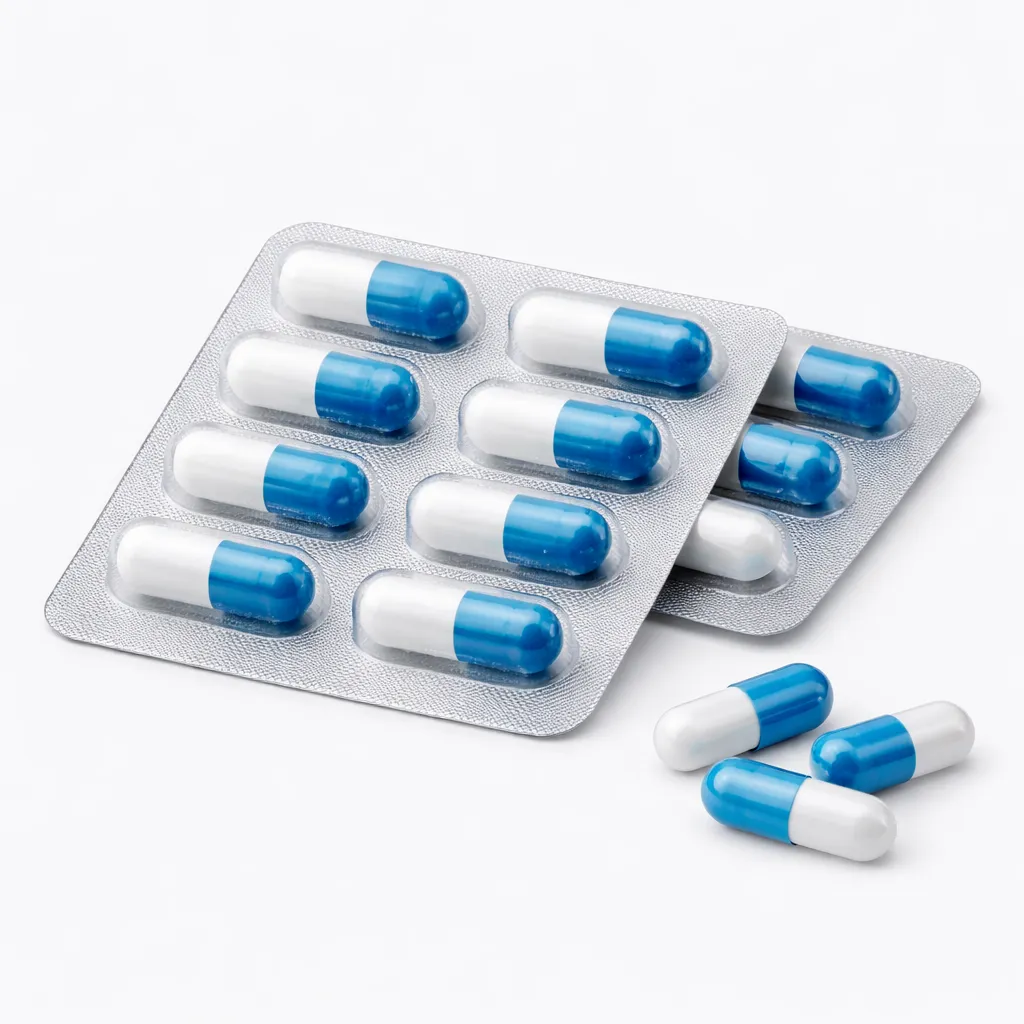
Description
DASANAT 50 MG
Indications
DASANAT 50 MG is primarily indicated for the treatment of major depressive disorder (MDD) in adults. It may also be utilized in the management of generalized anxiety disorder (GAD), obsessive-compulsive disorder (OCD), and panic disorder. DASANAT is prescribed when other treatments have failed or when patients exhibit a significant need for pharmacological intervention to alleviate their symptoms.
Mechanism of Action
DASANAT, whose active ingredient is desvenlafaxine, functions as a serotonin-norepinephrine reuptake inhibitor (SNRI). By inhibiting the reuptake of serotonin and norepinephrine in the synaptic cleft, DASANAT increases the availability of these neurotransmitters in the brain. This action is believed to contribute to its antidepressant and anxiolytic effects, promoting mood stabilization and reducing anxiety symptoms.
Pharmacological Properties
DASANAT exhibits a unique pharmacokinetic profile. After oral administration, it is rapidly absorbed, with peak plasma concentrations typically reached within 7.5 hours. The bioavailability of DASANAT is approximately 80%, and it is extensively metabolized in the liver. The elimination half-life is about 11 hours, allowing for once-daily dosing. The drug is primarily excreted in urine, with less than 1% of the dose appearing unchanged, indicating significant metabolic processing.
Contraindications
DASANAT is contraindicated in patients with a known hypersensitivity to desvenlafaxine or any of the excipients in the formulation. Additionally, it should not be used in conjunction with monoamine oxidase inhibitors (MAOIs) due to the risk of serious, potentially life-threatening interactions. Patients with uncontrolled narrow-angle glaucoma and those with severe renal impairment should also avoid DASANAT unless closely monitored by a healthcare professional.
Side Effects
Common side effects associated with DASANAT include nausea, dry mouth, dizziness, insomnia, and constipation. Other adverse reactions may include increased sweating, sexual dysfunction, and elevated blood pressure. Although rare, serious side effects such as serotonin syndrome, suicidal thoughts, and severe allergic reactions may occur. It is essential for patients to communicate any unusual symptoms to their healthcare provider promptly.
Dosage and Administration
The recommended starting dosage of DASANAT is 50 MG once daily, taken with or without food. Depending on the patient’s response and tolerability, the dosage may be adjusted. The maximum recommended dose should not exceed 400 MG per day. It is crucial for patients to adhere to the prescribed dosage and consult their healthcare provider before making any changes to their medication regimen.
Interactions
DASANAT may interact with various medications, potentially altering its efficacy or increasing the risk of adverse effects. Notable interactions include those with other antidepressants, particularly MAOIs, SSRIs, and SNRIs, which can heighten the risk of serotonin syndrome. Additionally, drugs that affect hepatic metabolism, such as certain antifungals and anticonvulsants, may also influence DASANAT levels. Patients should inform their healthcare provider of all medications, supplements, and herbal products they are taking to avoid potential interactions.
Precautions
Before initiating treatment with DASANAT, healthcare providers should conduct a comprehensive assessment of the patient’s medical history, including any history of bipolar disorder, seizures, or cardiovascular conditions. Regular monitoring of blood pressure is recommended, as DASANAT may cause dose-dependent increases. Caution is advised in elderly patients and those with hepatic or renal impairment, as they may be more susceptible to adverse effects. Patients should be educated about the signs of serotonin syndrome and advised to seek immediate medical attention if symptoms occur.
Clinical Studies
Clinical studies have demonstrated the efficacy of DASANAT in treating major depressive disorder. In randomized controlled trials, patients receiving DASANAT showed significant improvements in depressive symptoms compared to placebo groups. The onset of action typically occurs within 1 to 2 weeks, with continued improvement over subsequent weeks. Long-term studies have also indicated that DASANAT is effective in preventing relapse in patients with a history of recurrent depression. Ongoing research continues to explore its efficacy in other psychiatric conditions and its long-term safety profile.
Conclusion
DASANAT 50 MG is a valuable therapeutic option for individuals suffering from major depressive disorder and other anxiety-related conditions. Its mechanism of action as a serotonin-norepinephrine reuptake inhibitor provides a dual approach to managing symptoms. While generally well-tolerated, it is essential for patients to be aware of potential side effects and interactions. Regular follow-up with healthcare providers is crucial for optimizing treatment outcomes and ensuring patient safety.
Important
It is essential to use DASANAT responsibly and under the supervision of a qualified healthcare professional. Patients should follow prescribed dosages and report any side effects or concerns to their doctor promptly.