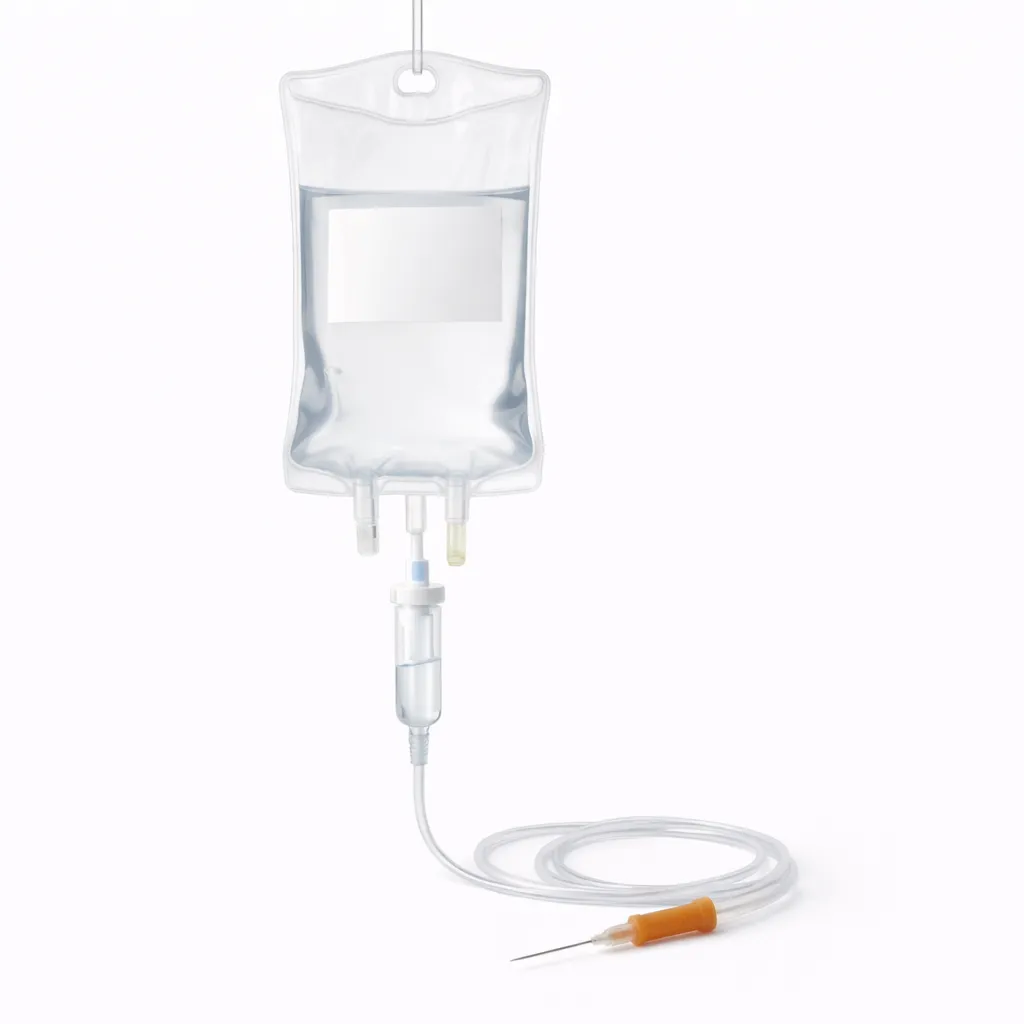
Description
DECABIX 250MG INJ 10ML
Indications
DECABIX 250MG INJ 10ML is indicated for the management of various medical conditions where the use of dexamethasone is warranted. This includes inflammatory and autoimmune disorders, certain types of cancer, and conditions requiring immunosuppression. It is particularly useful in treating conditions such as rheumatoid arthritis, lupus erythematosus, and allergic reactions. Additionally, DECABIX may be employed in the management of severe asthma exacerbations and chronic obstructive pulmonary disease (COPD) flare-ups.
Mechanism of Action
DECABIX contains dexamethasone, a synthetic glucocorticoid that mimics the effects of cortisol, a hormone produced by the adrenal glands. Dexamethasone exerts its effects by binding to glucocorticoid receptors in various tissues, leading to a wide range of biological effects. It modulates gene expression, resulting in anti-inflammatory and immunosuppressive actions. By inhibiting the production of pro-inflammatory cytokines and mediators, DECABIX effectively reduces inflammation and suppresses the immune response, making it beneficial in managing autoimmune diseases and inflammatory conditions.
Pharmacological Properties
DECABIX is characterized by its potent anti-inflammatory and immunosuppressive properties. The pharmacokinetics of dexamethasone demonstrate rapid absorption following intramuscular injection, with peak plasma concentrations typically reached within one to two hours. The drug has a long half-life, allowing for sustained therapeutic effects. Dexamethasone is primarily metabolized in the liver and excreted via the kidneys. Its high lipid solubility facilitates its penetration into tissues, enhancing its efficacy in treating localized inflammatory processes.
Contraindications
DECABIX should not be administered to individuals with known hypersensitivity to dexamethasone or any of its components. It is contraindicated in patients with systemic fungal infections, as glucocorticoids may exacerbate these conditions. Additionally, caution is advised in patients with peptic ulcer disease, uncontrolled diabetes mellitus, and those with existing infections, as dexamethasone can mask symptoms and worsen these conditions.
Side Effects
As with any medication, the use of DECABIX may be associated with various side effects. Commonly reported adverse effects include gastrointestinal disturbances such as nausea, vomiting, and abdominal discomfort. Other potential side effects include insomnia, mood changes, and increased appetite. Long-term use of dexamethasone may lead to more serious complications, such as osteoporosis, adrenal suppression, and increased susceptibility to infections. Patients should be monitored for these effects, particularly during prolonged therapy.
Dosage and Administration
The dosage of DECABIX is individualized based on the specific condition being treated, the severity of the disease, and the patient’s response to therapy. Typically, the initial dose may range from 10 mg to 20 mg, administered intramuscularly, with adjustments made as necessary. For chronic conditions, a tapering schedule may be employed to minimize withdrawal symptoms and adrenal insufficiency. It is essential to follow the prescribing physician’s guidelines and to not exceed the recommended dosage to avoid potential complications.
Interactions
DECABIX may interact with various medications, potentially altering their effects or increasing the risk of adverse reactions. Co-administration with nonsteroidal anti-inflammatory drugs (NSAIDs) may increase the risk of gastrointestinal bleeding. Additionally, dexamethasone can affect the metabolism of certain drugs, including anticoagulants and antidiabetic agents, necessitating careful monitoring and possible dosage adjustments. Patients should inform their healthcare provider of all medications they are taking to avoid potential interactions.
Precautions
Before initiating therapy with DECABIX, a thorough medical history and physical examination should be conducted. Special caution is warranted in patients with a history of psychiatric disorders, as dexamethasone may exacerbate these conditions. Patients with cardiovascular disease, hypertension, or renal impairment should be closely monitored during treatment. Vaccinations should be updated prior to starting therapy, as live vaccines may pose a risk in immunosuppressed individuals. Regular follow-up appointments are essential to assess the efficacy of treatment and monitor for side effects.
Clinical Studies
Numerous clinical studies have investigated the efficacy and safety of dexamethasone in various conditions. Research has demonstrated its effectiveness in reducing inflammation and improving symptoms in patients with rheumatoid arthritis and severe asthma. A notable study published in the New England Journal of Medicine highlighted the role of dexamethasone in reducing mortality in patients with severe COVID-19, underscoring its importance in critical care settings. These studies reinforce the therapeutic value of DECABIX in managing complex medical conditions.
Conclusion
DECABIX 250MG INJ 10ML is a versatile medication with significant anti-inflammatory and immunosuppressive properties. Its application in treating a variety of conditions, from autoimmune disorders to severe respiratory issues, makes it a valuable tool in modern medicine. However, careful consideration of contraindications, potential side effects, and drug interactions is essential for safe and effective use. Ongoing monitoring and patient education are crucial components of therapy to ensure optimal outcomes.
Important
The responsible use of DECABIX is paramount. Patients should adhere to prescribed dosages and consult healthcare professionals with any concerns or adverse effects. Proper management and monitoring can enhance therapeutic outcomes and minimize risks.