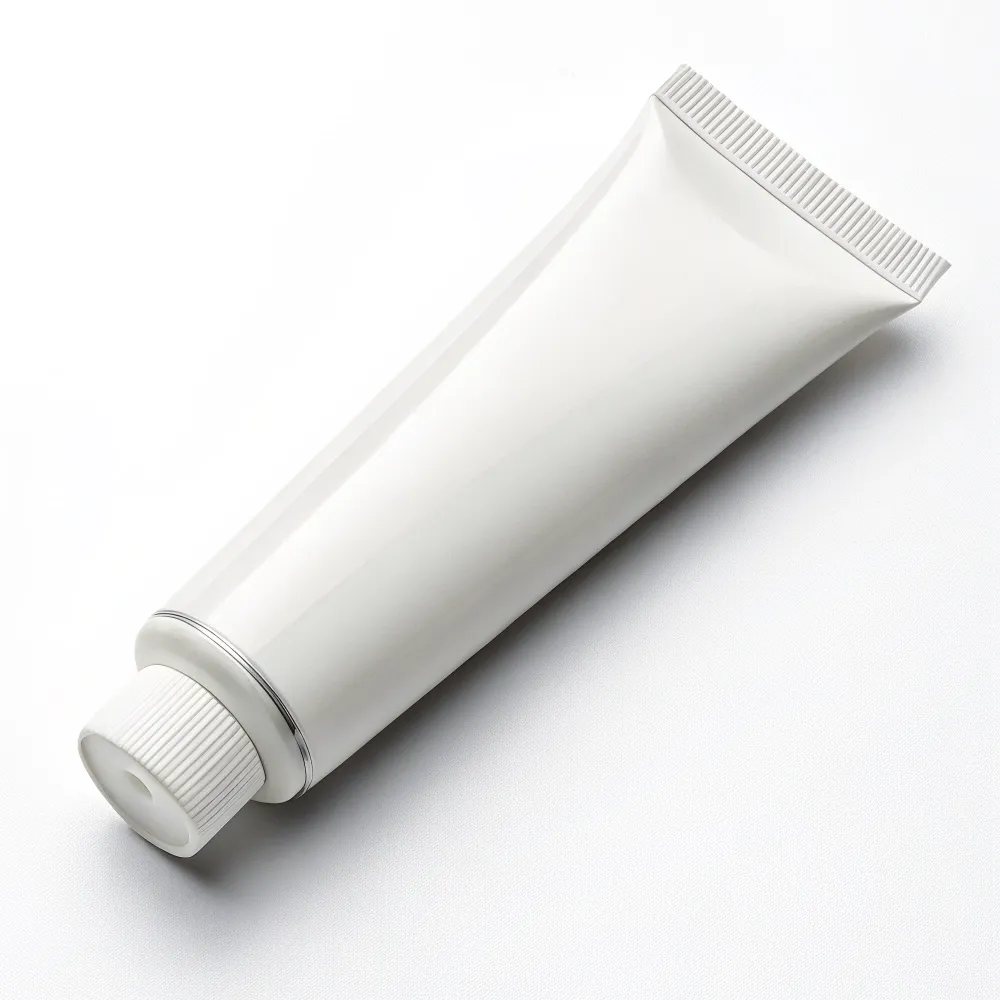
Description
DERMIFORD CREAM 25GM
Indications
Dermiford Cream 25gm is primarily indicated for the topical treatment of various dermatological conditions. These include inflammatory skin disorders such as eczema, psoriasis, and dermatitis. The cream is formulated to relieve symptoms associated with these conditions, including itching, redness, and swelling. Additionally, Dermiford Cream may be used for the management of certain fungal infections and to aid in the healing of minor skin irritations.
Mechanism of Action
The active ingredients in Dermiford Cream work synergistically to exert their therapeutic effects. The cream typically contains a combination of corticosteroids and antifungal agents. Corticosteroids function by inhibiting the inflammatory response, reducing the migration of leukocytes to the site of inflammation, and suppressing the production of inflammatory mediators. This leads to a decrease in symptoms such as redness, swelling, and itching. The antifungal component targets fungal cell membranes, disrupting their integrity and leading to cell death, thereby alleviating fungal infections. Together, these mechanisms provide comprehensive relief for various skin conditions.
Pharmacological Properties
The pharmacological properties of Dermiford Cream are characterized by its anti-inflammatory, antipruritic, and antifungal actions. The corticosteroid component is rapidly absorbed through the skin, allowing for localized action with minimal systemic absorption. This property is particularly beneficial in treating localized skin conditions without significant systemic side effects. The antifungal agent also exhibits a broad spectrum of activity against common dermatophytes and yeasts, making it effective in treating skin infections caused by these pathogens. The cream’s formulation ensures a smooth application and enhances skin penetration, promoting effective delivery of the active ingredients to the affected area.
Contraindications
Dermiford Cream should not be used in individuals with a known hypersensitivity to any of its components. It is contraindicated in patients with viral infections of the skin, such as herpes simplex or varicella, as well as in cases of untreated bacterial infections. The cream should also be avoided in individuals with certain skin conditions, such as rosacea or perioral dermatitis, where corticosteroid use may exacerbate the condition. Pregnant and breastfeeding women should consult a healthcare professional before using this product to ensure safety for both the mother and child.
Side Effects
While Dermiford Cream is generally well-tolerated, some patients may experience side effects. Common side effects include local skin reactions such as burning, stinging, or itching at the application site. Prolonged use of corticosteroids may lead to skin thinning, striae, or telangiectasia. In rare cases, systemic absorption may occur, leading to adrenal suppression or other systemic effects, particularly if used over large areas of skin or under occlusive dressings. Patients are advised to monitor for any unusual reactions and report them to their healthcare provider.
Dosage and Administration
The recommended dosage of Dermiford Cream is to apply a thin layer to the affected area of the skin two to three times daily, or as directed by a healthcare professional. It is important to gently massage the cream into the skin until fully absorbed. Patients should avoid applying the cream to broken or infected skin unless directed by a healthcare provider. Treatment duration should be limited to the shortest effective period to minimize the risk of side effects associated with corticosteroid use. If symptoms persist or worsen, patients should seek medical advice.
Interactions
Dermiford Cream may interact with other topical medications, particularly those containing corticosteroids or antifungals. Concurrent use of multiple topical agents can increase the risk of systemic absorption and potential side effects. Patients should inform their healthcare provider of all medications they are using, including over-the-counter products and supplements. Additionally, caution should be exercised when using Dermiford Cream in conjunction with other treatments for skin conditions to avoid overlapping effects and complications.
Precautions
Before using Dermiford Cream, patients should be aware of certain precautions. It is essential to perform a patch test to rule out any allergic reactions, especially in individuals with a history of skin sensitivities. Patients with a history of skin infections or those who are immunocompromised should use this product with caution. Long-term use of topical corticosteroids should be avoided, and patients should be monitored for signs of skin atrophy or other adverse effects. It is also advisable to avoid contact with the eyes and mucous membranes, as this may lead to irritation or other complications.
Clinical Studies
Clinical studies evaluating the efficacy and safety of Dermiford Cream have demonstrated its effectiveness in managing inflammatory skin conditions and fungal infections. In controlled trials, patients treated with Dermiford Cream showed significant improvement in symptoms such as itching, redness, and scaling compared to placebo groups. The antifungal component has also been shown to effectively reduce fungal load in patients with dermatophyte infections. Overall, the clinical data support the use of Dermiford Cream as a safe and effective treatment option for various dermatological conditions.
Conclusion
Dermiford Cream 25gm is a versatile topical formulation indicated for the treatment of various inflammatory skin disorders and fungal infections. Its dual action mechanism provides effective relief from symptoms while promoting skin healing. However, it is crucial for patients to use the cream responsibly, adhering to recommended dosages and being aware of potential side effects and contraindications. With proper use, Dermiford Cream can significantly improve the quality of life for individuals suffering from dermatological conditions.
Important
It is essential to use Dermiford Cream responsibly and only as directed by a healthcare professional. Misuse or overuse can lead to adverse effects. Always consult with a healthcare provider for personalized advice and treatment options.