Description
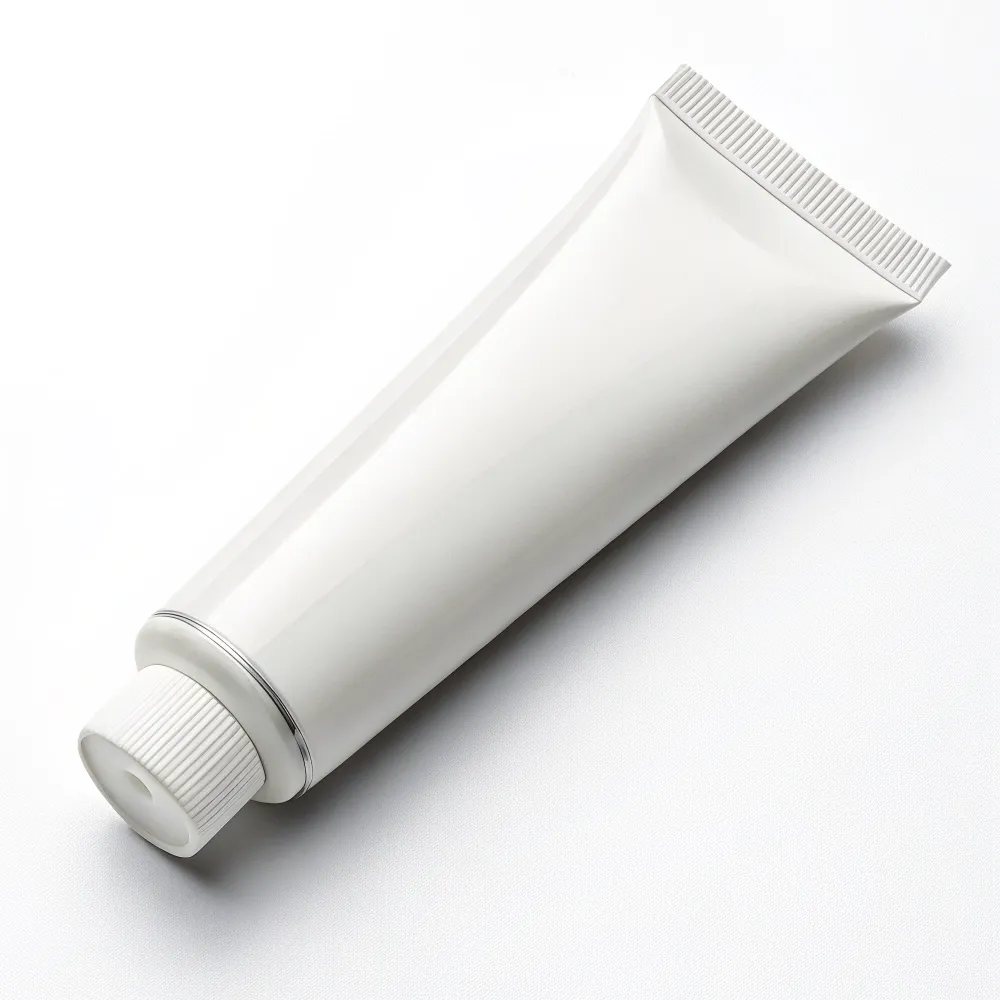
DESOADD CREAM 15GM
Indications
Desoadd Cream 15gm is primarily indicated for the treatment of various dermatological conditions characterized by inflammation and irritation. It is commonly prescribed for conditions such as eczema, dermatitis, and psoriasis. The cream provides symptomatic relief from itching, redness, and swelling associated with these skin disorders. Additionally, it may be used in the management of localized allergic reactions and other inflammatory skin conditions as determined by a healthcare professional.
Mechanism of Action
The active ingredients in Desoadd Cream work synergistically to exert their therapeutic effects. The primary component, a corticosteroid, acts by inhibiting the release of inflammatory mediators such as cytokines and prostaglandins. This action reduces the inflammatory response in the skin, leading to decreased redness, swelling, and itching. Furthermore, the cream may contain emollients that help to hydrate and protect the skin barrier, enhancing the overall efficacy of the treatment.
Pharmacological Properties
Desoadd Cream exhibits anti-inflammatory, antipruritic, and vasoconstrictive properties. The corticosteroid component provides rapid relief from inflammation and itching, while the emollient base aids in moisturizing the skin. The pharmacokinetics of the cream allow for localized absorption, minimizing systemic effects while maximizing therapeutic outcomes. The cream is formulated to be non-greasy and easily absorbed, making it suitable for application on various skin types.
Contraindications
Desoadd Cream should not be used in individuals with a known hypersensitivity to any of its components. It is contraindicated in patients with viral infections such as herpes simplex, chickenpox, and shingles, as well as in cases of fungal or bacterial skin infections unless these conditions are being treated concurrently. Additionally, the cream should not be applied to open wounds or broken skin, as this may increase the risk of systemic absorption and potential side effects.
Side Effects
While Desoadd Cream is generally well-tolerated, some patients may experience side effects. Common side effects include localized burning, itching, or irritation at the application site. Prolonged use of topical corticosteroids can lead to skin thinning, striae, and the development of perioral dermatitis. In rare cases, systemic absorption may occur, leading to adrenal suppression or other systemic corticosteroid-related side effects. Patients should be advised to report any unusual or severe reactions to their healthcare provider.
Dosage and Administration
The recommended dosage of Desoadd Cream varies based on the severity of the condition being treated. Typically, a thin layer of the cream should be applied to the affected area once or twice daily, as directed by a healthcare professional. It is important to gently massage the cream into the skin until fully absorbed. Patients are advised to wash their hands after application to avoid unintentional transfer to other areas of the body or to other individuals. The duration of treatment should be determined by a healthcare provider, and long-term use should be avoided unless specifically directed.
Interactions
Desoadd Cream may interact with other topical medications or treatments applied to the same area of the skin. It is essential to inform healthcare providers of all medications being used, including over-the-counter products. Systemic absorption of corticosteroids can be influenced by other medications, particularly those that affect liver enzymes. Patients should consult their healthcare provider before starting any new medications while using Desoadd Cream to avoid potential interactions.
Precautions
Patients using Desoadd Cream should be monitored for signs of skin atrophy or other adverse effects, especially with prolonged use. It is advisable to limit the application to the affected areas only and avoid occlusive dressings unless instructed by a healthcare provider. Special caution should be exercised in pediatric patients, as they may be more susceptible to systemic effects due to a larger skin surface area relative to body weight. Pregnant or breastfeeding women should discuss the use of this product with their healthcare provider to weigh the benefits against potential risks.
Clinical Studies
Clinical studies evaluating the efficacy and safety of Desoadd Cream have demonstrated its effectiveness in reducing inflammation and improving the overall appearance of the skin in patients with various dermatological conditions. In a randomized controlled trial, patients treated with Desoadd Cream showed significant improvement in symptoms compared to those receiving a placebo. The studies also reported a favorable safety profile, with most side effects being mild and transient. Ongoing research continues to explore the long-term effects and optimal treatment regimens for different skin conditions.
Conclusion
Desoadd Cream 15gm is a valuable therapeutic option for managing inflammatory skin conditions. Its anti-inflammatory properties, combined with a user-friendly formulation, make it suitable for a wide range of patients. However, it is crucial to use this medication responsibly under the guidance of a healthcare professional to minimize the risk of side effects and ensure optimal outcomes. Patients should be educated about the proper use of the cream and encouraged to report any adverse reactions promptly.
Important
It is essential to use Desoadd Cream responsibly and according to the instructions provided by your healthcare provider. Misuse or overuse of topical corticosteroids can lead to significant side effects. Always consult with a healthcare professional for personalized advice and treatment options.