Description
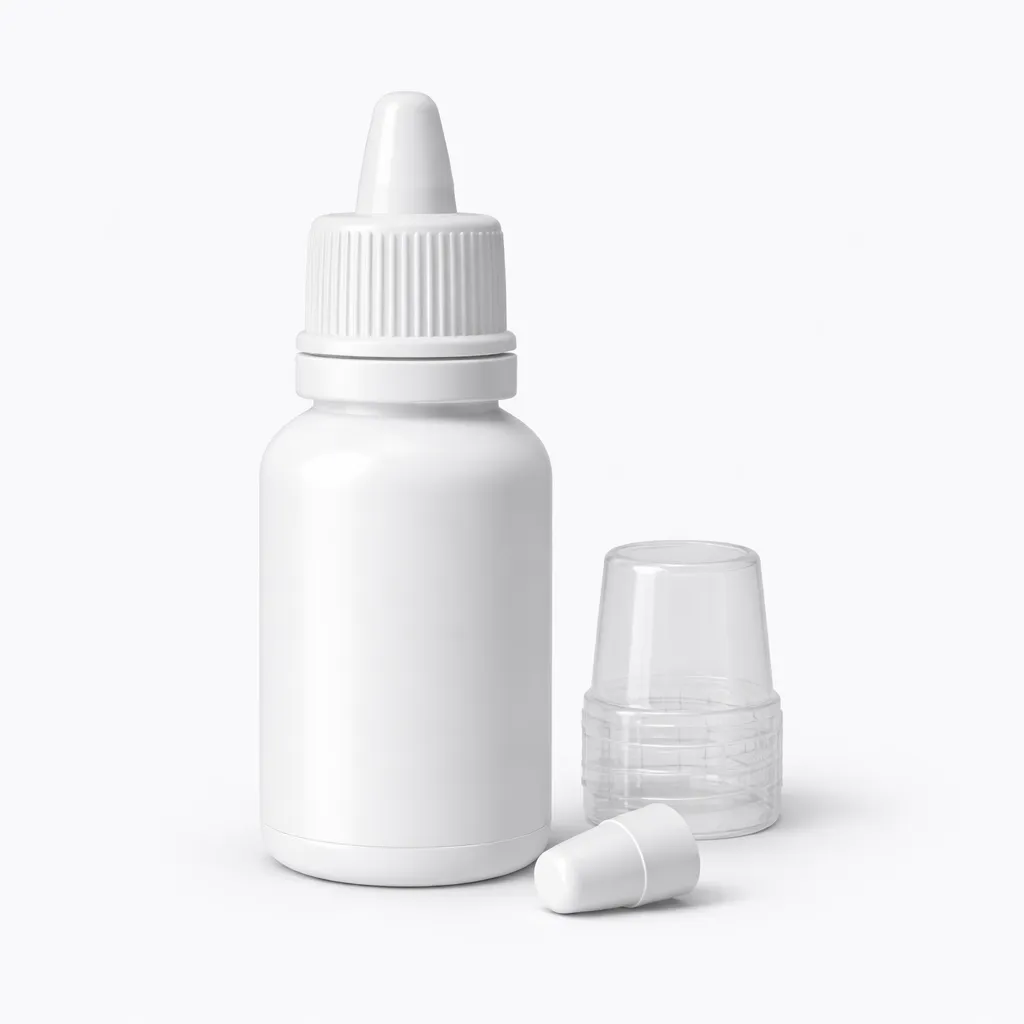
DORZOX-T EYE DROP 5ML
Indications
Dorzox-T Eye Drop is primarily indicated for the management of elevated intraocular pressure in patients with open-angle glaucoma and ocular hypertension. This medication is particularly beneficial for individuals who require additional treatment to control their intraocular pressure when other therapies are insufficient. It is often prescribed as part of a comprehensive treatment plan that may include other topical ophthalmic agents.
Mechanism of Action
Dorzox-T Eye Drop combines two active ingredients: dorzolamide and timolol. Dorzolamide is a carbonic anhydrase inhibitor that reduces the production of aqueous humor, thereby decreasing intraocular pressure. Timolol, a non-selective beta-adrenergic antagonist, further aids in lowering intraocular pressure by reducing aqueous humor production and increasing outflow. The synergistic effect of these two components results in enhanced efficacy in managing intraocular pressure in patients with glaucoma.
Pharmacological Properties
The pharmacokinetics of Dorzox-T Eye Drop reveal that dorzolamide is rapidly absorbed through the cornea, achieving peak concentrations in the aqueous humor within 2 hours of administration. The systemic absorption of dorzolamide is minimal, leading to a low incidence of systemic side effects. Timolol is also absorbed quickly and has a prolonged action, contributing to its effectiveness in controlling intraocular pressure. The combination of these two agents results in a dual mechanism of action, providing a comprehensive approach to managing elevated intraocular pressure.
Contraindications
Dorzox-T Eye Drop is contraindicated in patients with a known hypersensitivity to any of its components, including dorzolamide or timolol. It should not be used in patients with bronchial asthma, severe chronic obstructive pulmonary disease (COPD), sinus bradycardia, heart block greater than first degree, or cardiogenic shock. Additionally, caution is advised in patients with a history of heart failure or those receiving other medications that may exacerbate these conditions.
Side Effects
Common side effects of Dorzox-T Eye Drop may include ocular discomfort, burning, stinging, and blurred vision upon instillation. Other reported side effects can include dry eyes, conjunctivitis, and eye irritation. Systemic effects, although rare, may include fatigue, dizziness, and respiratory issues due to the beta-blocker component. Patients should be advised to report any persistent or severe side effects to their healthcare provider.
Dosage and Administration
The recommended dosage for Dorzox-T Eye Drop is one drop in the affected eye(s) twice daily. Patients should be instructed on the proper technique for instillation to ensure optimal absorption and minimize systemic exposure. It is important to shake the bottle gently before use and avoid touching the tip of the dropper to any surface, including the eye, to prevent contamination. If a dose is missed, it should be administered as soon as remembered, but if it is close to the time of the next dose, the missed dose should be skipped. Patients should not double the dose to compensate for a missed one.
Interactions
Dorzox-T Eye Drop may interact with other medications, particularly those that affect intraocular pressure or systemic beta-blockers. Caution should be exercised when used concurrently with other carbonic anhydrase inhibitors, as this may increase the risk of side effects. Additionally, systemic absorption of timolol can be enhanced when used with other systemic beta-blockers or calcium channel blockers, leading to additive effects on heart rate and blood pressure. Patients should inform their healthcare provider of all medications they are currently taking to avoid potential interactions.
Precautions
Before initiating treatment with Dorzox-T Eye Drop, a thorough medical history should be obtained to identify any pre-existing conditions that may contraindicate its use. Patients with a history of renal impairment should be monitored closely, as dorzolamide is primarily excreted through the kidneys. Caution is also advised in patients with diabetes, as timolol may mask the symptoms of hypoglycemia. Regular monitoring of intraocular pressure is essential to assess the effectiveness of the treatment and make necessary adjustments. Patients should be advised to avoid driving or operating heavy machinery until they know how the medication affects their vision.
Clinical Studies
Conclusion
Dorzox-T Eye Drop is an effective and well-tolerated treatment option for patients with elevated intraocular pressure due to open-angle glaucoma or ocular hypertension. Its dual mechanism of action provides a comprehensive approach to managing intraocular pressure, making it a valuable addition to the therapeutic arsenal for ophthalmologists. As with all medications, it is crucial for patients to adhere to the prescribed regimen and maintain regular follow-up appointments to monitor their condition and adjust treatment as necessary.
Important
It is essential to use Dorzox-T Eye Drop responsibly and under the guidance of a healthcare professional. Patients should not share this medication with others and must report any unusual symptoms or side effects to their doctor promptly.