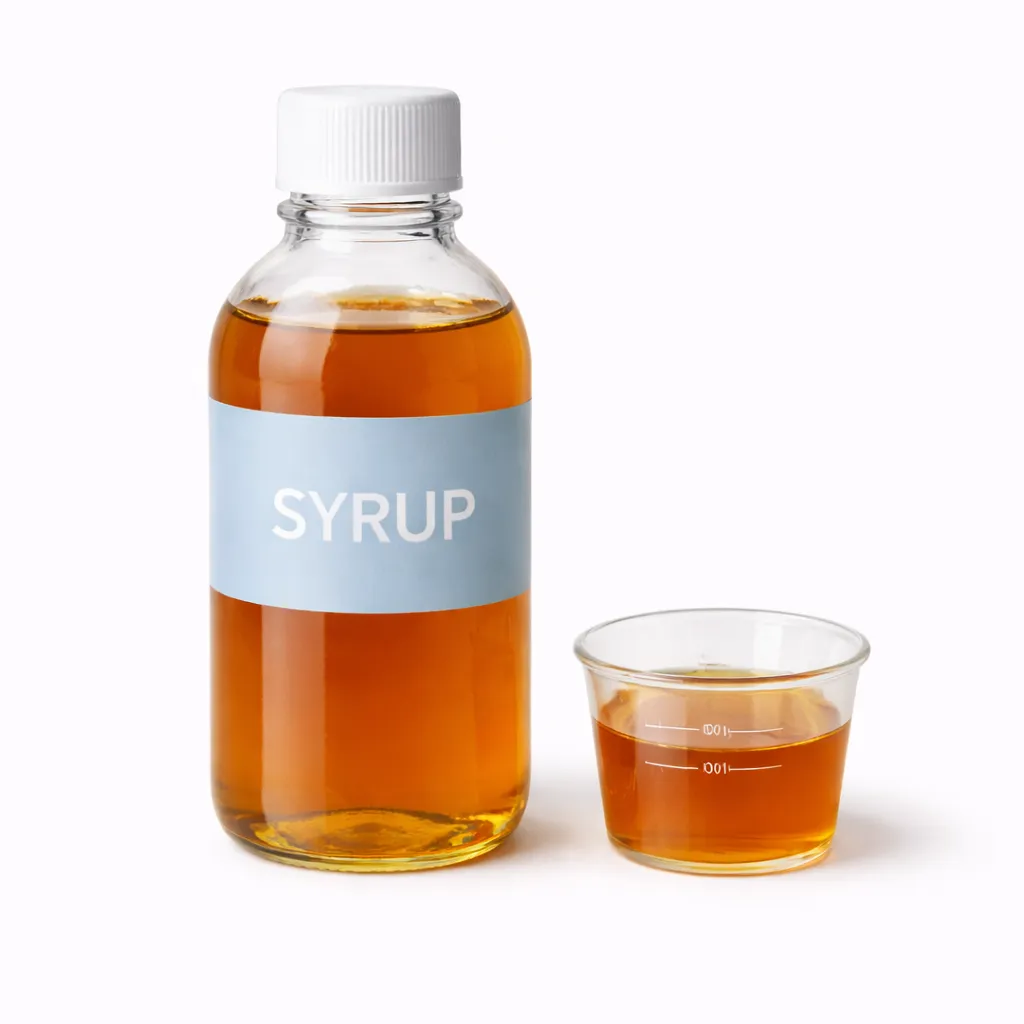
Description
DOXT-SL
Indications
DOXT-SL is primarily indicated for the treatment of various bacterial infections. It is effective against a wide range of gram-positive and gram-negative bacteria, making it a versatile option for clinicians. Common indications include respiratory tract infections, urinary tract infections, skin and soft tissue infections, and certain types of gastrointestinal infections. The formulation is particularly useful in cases where oral administration is preferred or when patients have difficulty swallowing pills.
Mechanism of Action
DOXT-SL functions as a broad-spectrum antibiotic, inhibiting bacterial protein synthesis by binding to the 30S ribosomal subunit. This action disrupts the translation process, ultimately leading to the cessation of bacterial growth and replication. By targeting the bacterial ribosome, DOXT-SL effectively prevents the synthesis of essential proteins required for bacterial survival, thereby exerting its therapeutic effect against a variety of pathogens.
Pharmacological Properties
DOXT-SL exhibits a favorable pharmacokinetic profile, characterized by good oral bioavailability and rapid absorption. Peak plasma concentrations are typically achieved within 1 to 2 hours post-administration. The drug is widely distributed throughout body tissues, including the lungs, liver, and kidneys, allowing for effective treatment of infections in these areas. The elimination half-life of DOXT-SL is approximately 12 hours, making it suitable for once or twice daily dosing in most cases. The drug is primarily metabolized in the liver and excreted via the kidneys, necessitating caution in patients with renal impairment.
Contraindications
DOXT-SL is contraindicated in patients with a known hypersensitivity to the active ingredient or any of its excipients. Additionally, it should not be used in individuals with a history of severe allergic reactions to other antibiotics, particularly those in the same class. Caution is advised in patients with a history of liver or kidney disease, as dosage adjustments may be necessary. Pregnant and breastfeeding women should consult their healthcare provider before using DOXT-SL, as the safety profile in these populations has not been fully established.
Side Effects
Like all medications, DOXT-SL may cause side effects, although not everyone will experience them. Common side effects include gastrointestinal disturbances such as nausea, vomiting, diarrhea, and abdominal pain. Allergic reactions, although rare, can occur and may manifest as rash, itching, or swelling. More serious side effects include liver enzyme elevation, which may require monitoring during prolonged therapy. Patients should be advised to report any unusual symptoms or reactions to their healthcare provider promptly.
Dosage and Administration
The recommended dosage of DOXT-SL varies depending on the type and severity of the infection being treated. For adults, the typical dosage ranges from 100 mg to 200 mg taken once or twice daily. For pediatric patients, the dosage is generally calculated based on body weight, with careful consideration given to the child’s age and overall health. It is crucial to adhere to the prescribed dosage regimen and complete the full course of therapy, even if symptoms improve, to prevent the development of antibiotic resistance.
Interactions
DOXT-SL may interact with other medications, potentially altering their effectiveness or increasing the risk of adverse effects. Notably, concurrent use with anticoagulants may enhance the anticoagulant effect, necessitating careful monitoring of coagulation parameters. Additionally, the use of antacids or supplements containing calcium, magnesium, or iron may reduce the absorption of DOXT-SL, leading to decreased efficacy. Patients should inform their healthcare provider of all medications, supplements, and herbal products they are taking to ensure safe and effective treatment.
Precautions
Prior to initiating therapy with DOXT-SL, a thorough medical history and assessment of renal and hepatic function should be conducted. Patients with a history of gastrointestinal disorders, particularly colitis, should be monitored closely, as antibiotic therapy can disrupt normal flora and lead to Clostridium difficile-associated diarrhea. It is also essential to evaluate for any potential drug interactions, especially in patients on multiple medications. Regular follow-up appointments may be necessary to assess treatment response and adjust dosages as needed.
Clinical Studies
Clinical studies have demonstrated the efficacy of DOXT-SL in treating a variety of bacterial infections. In a randomized controlled trial involving patients with community-acquired pneumonia, DOXT-SL showed comparable efficacy to standard antibiotic regimens, with a favorable safety profile. Another study evaluated the use of DOXT-SL in treating urinary tract infections and reported high rates of clinical and microbiological cure. These studies support the use of DOXT-SL as a reliable option in the management of bacterial infections, although further research is warranted to explore its efficacy in different populations and infection types.
Conclusion
DOXT-SL is a broad-spectrum antibiotic that offers a valuable treatment option for various bacterial infections. Its mechanism of action, pharmacological properties, and favorable safety profile make it a suitable choice for both adult and pediatric patients. However, careful consideration of contraindications, potential side effects, and drug interactions is essential to ensure safe and effective use. Ongoing clinical studies continue to support its role in antibiotic therapy, reinforcing the importance of responsible prescribing practices in the fight against antibiotic resistance.
Important
It is crucial to use DOXT-SL responsibly and only under the guidance of a qualified healthcare professional. Misuse or overuse of antibiotics can lead to resistance, making infections harder to treat. Always follow your healthcare provider’s instructions regarding dosage and duration of treatment.