
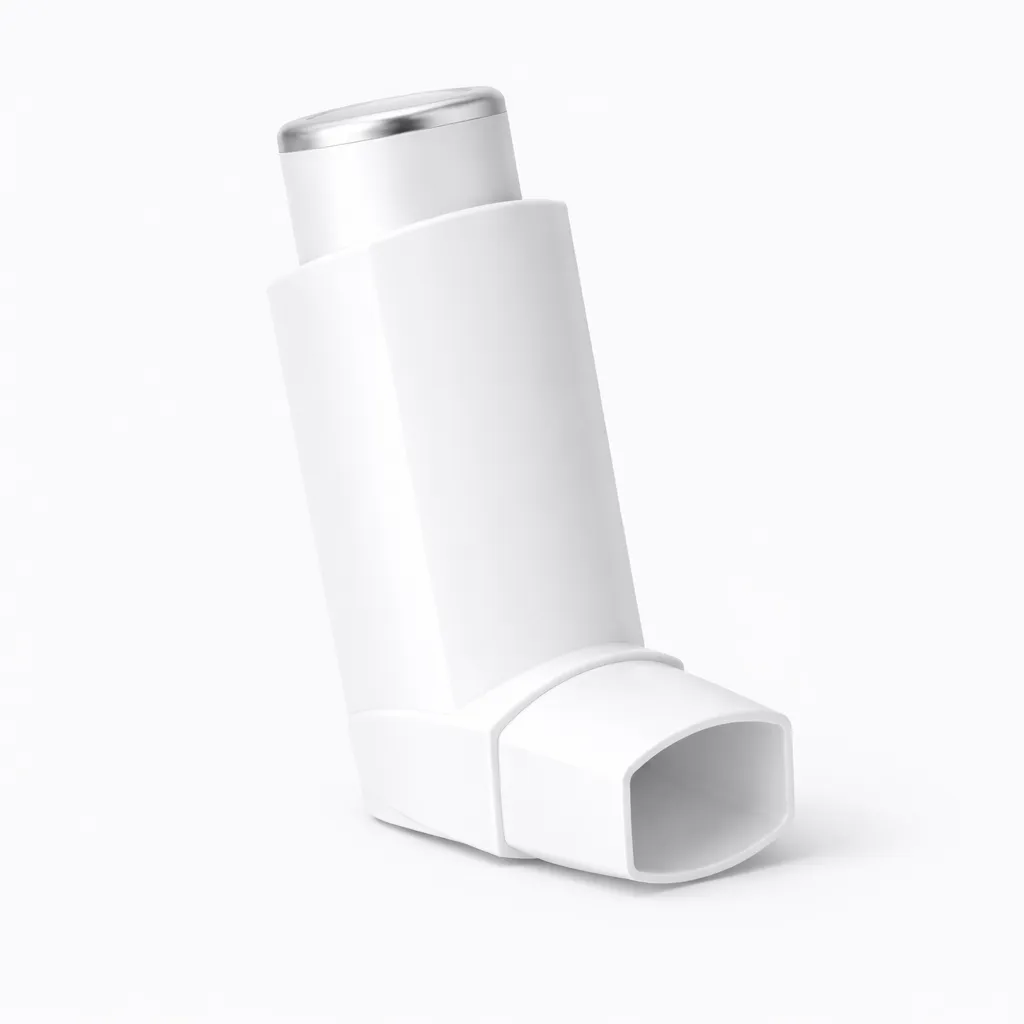
Description
DUOVA INHALER
Indications
The DUOVA inhaler is primarily indicated for the management of chronic obstructive pulmonary disease (COPD) and asthma. It is designed for patients who require a combination of bronchodilator therapy to improve airflow and reduce symptoms associated with these respiratory conditions. The inhaler is suitable for individuals who experience persistent wheezing, shortness of breath, and tightness in the chest, particularly those who have not achieved adequate control with monotherapy.
Mechanism of Action
DUOVA inhaler combines two active ingredients: a long-acting beta-agonist (LABA) and a long-acting muscarinic antagonist (LAMA). The LABA component works by stimulating beta-2 adrenergic receptors in the smooth muscles of the airways, leading to relaxation and dilation of bronchial passages. This action helps to alleviate bronchospasm and improve airflow. The LAMA component, on the other hand, inhibits the action of acetylcholine at muscarinic receptors, which further contributes to bronchodilation by preventing bronchoconstriction. The synergistic effect of these two mechanisms results in enhanced bronchodilation and improved respiratory function.
Pharmacological Properties
The pharmacokinetics of DUOVA inhaler demonstrate that the active ingredients are rapidly absorbed into the systemic circulation following inhalation. The peak plasma concentrations are typically reached within a few hours. The half-lives of the components allow for once-daily dosing, providing sustained bronchodilation over a 24-hour period. The inhaler is designed for optimal delivery of medication to the lungs, minimizing systemic exposure and potential side effects. The formulation also includes propellants that ensure effective aerosolization of the drug for inhalation.
Contraindications
DUOVA inhaler is contraindicated in patients with a known hypersensitivity to any of its components or to any of the excipients used in the formulation. It should not be used in individuals with a history of severe allergic reactions, including anaphylaxis, to similar medications. Additionally, the inhaler is not recommended for the treatment of acute bronchospasm or as a rescue inhaler for sudden breathing difficulties. Patients with certain cardiovascular disorders, such as severe arrhythmias or unstable angina, should also avoid using this medication unless specifically directed by a healthcare professional.
Side Effects
Common side effects associated with the use of DUOVA inhaler include headache, dry mouth, throat irritation, and cough. Some patients may experience palpitations or increased heart rate due to the beta-agonist component. Less common but more serious side effects may include paradoxical bronchospasm, which is a sudden worsening of breathing difficulties, and hypersensitivity reactions such as rash, itching, or swelling. Patients should be advised to seek immediate medical attention if they experience any severe or persistent side effects.
Dosage and Administration
The recommended dosage of DUOVA inhaler is typically one inhalation twice daily, administered at approximately the same time each day to maintain consistent therapeutic levels. It is essential for patients to follow the prescribed dosing regimen and not exceed the recommended dose. The inhaler should be used in accordance with the instructions provided by the healthcare provider or the product labeling. Patients should be trained on the proper inhalation technique to ensure effective delivery of the medication to the lungs. Regular follow-up appointments with healthcare professionals are advised to monitor the patient’s response to therapy and adjust the treatment plan as necessary.
Interactions
DUOVA inhaler may interact with other medications, particularly those that can affect cardiac function or the metabolism of the active components. Caution is advised when using this inhaler in conjunction with other sympathomimetic agents, as this may increase the risk of cardiovascular side effects. Additionally, concurrent use of anticholinergic medications may enhance the bronchodilatory effects but could also increase the risk of side effects. Patients should inform their healthcare provider of all medications, supplements, and herbal products they are taking to avoid potential interactions.
Precautions
Before initiating treatment with DUOVA inhaler, it is important to assess the patient’s medical history, particularly regarding cardiovascular diseases, seizures, and hyperthyroidism. Patients with a history of these conditions may require closer monitoring during therapy. Caution should also be exercised in patients with glaucoma or urinary retention, as the LAMA component may exacerbate these conditions. It is essential to evaluate the patient’s overall asthma or COPD management plan and ensure that the inhaler is used as part of a comprehensive approach that may include other medications and lifestyle modifications.
Clinical Studies
Clinical studies have demonstrated the efficacy and safety of DUOVA inhaler in patients with COPD and asthma. In randomized controlled trials, patients using the DUOVA inhaler showed significant improvements in lung function, as measured by forced expiratory volume in one second (FEV1), compared to those receiving placebo or monotherapy. Additionally, the combination therapy was associated with a reduction in the frequency of exacerbations and improved quality of life measures. Long-term studies have indicated that the inhaler maintains its efficacy over extended periods, with a favorable safety profile when used as directed.
Conclusion
DUOVA inhaler represents an effective treatment option for patients suffering from chronic obstructive pulmonary disease and asthma. The combination of LABA and LAMA provides enhanced bronchodilation and symptom control, improving patients’ overall quality of life. However, it is crucial for patients to adhere to the prescribed dosing regimen and remain vigilant for any potential side effects or interactions with other medications. Regular follow-up with healthcare providers is essential to ensure optimal management of respiratory conditions and to adjust treatment as needed.
Important
It is essential to use the DUOVA inhaler responsibly and strictly according to the prescribed instructions. Patients should consult their healthcare provider for any questions or concerns regarding their treatment and report any adverse effects promptly.

