
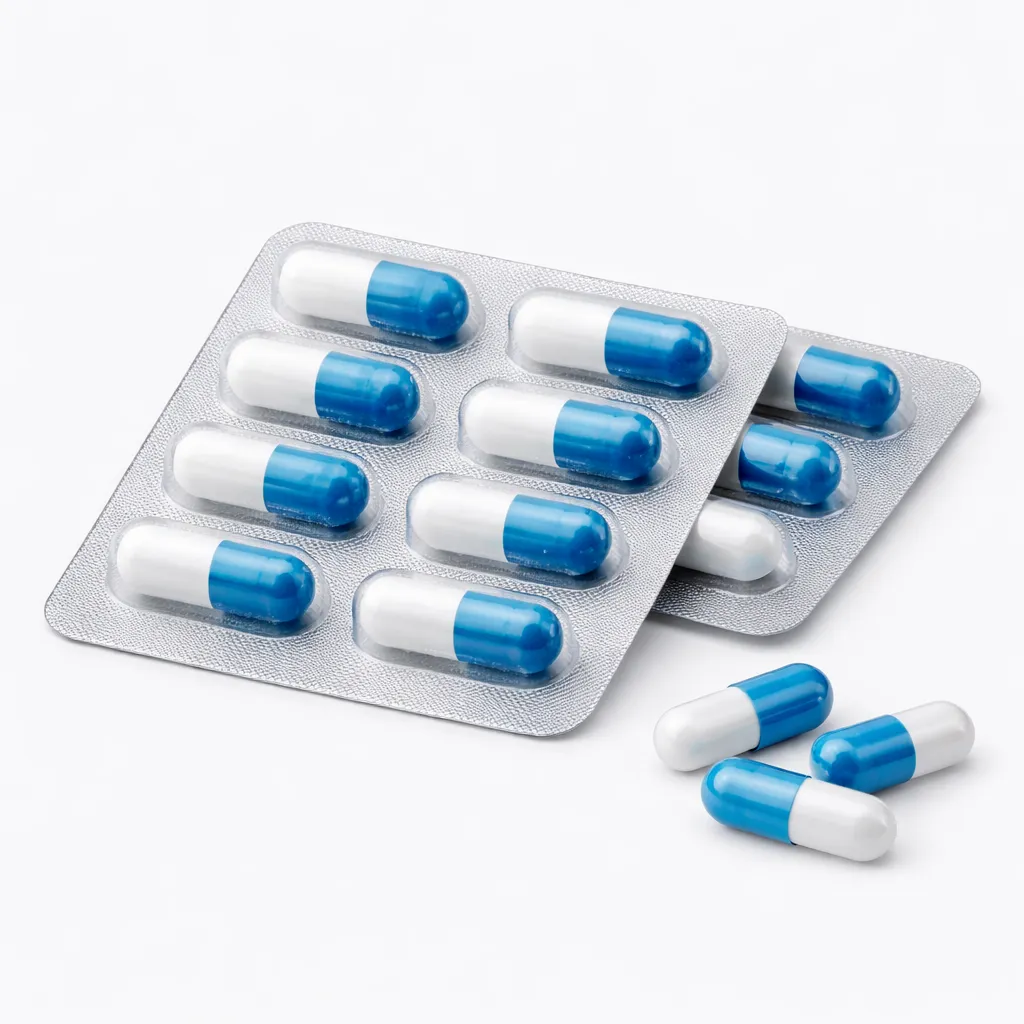
Description
DUVANTA 30 MG
Indications
DUVANTA 30 MG, containing the active ingredient desvenlafaxine, is primarily indicated for the treatment of major depressive disorder (MDD) in adults. It may also be prescribed for the management of generalized anxiety disorder (GAD) and other anxiety-related conditions. The medication is designed to alleviate symptoms of depression and anxiety, thereby improving the overall quality of life for patients.
Mechanism of Action
Desvenlafaxine, the active component of DUVANTA, is classified as a serotonin-norepinephrine reuptake inhibitor (SNRI). It works by inhibiting the reuptake of two key neurotransmitters in the brain: serotonin and norepinephrine. By increasing the levels of these neurotransmitters in the synaptic cleft, DUVANTA helps to enhance mood and relieve anxiety. This dual action is thought to be responsible for its efficacy in treating both depression and anxiety disorders.
Pharmacological Properties
DUVANTA 30 MG is absorbed rapidly after oral administration, with peak plasma concentrations typically reached within 7.5 hours. The drug exhibits linear pharmacokinetics, meaning that its absorption and elimination are proportional to the dose administered. The half-life of desvenlafaxine is approximately 11 hours, allowing for once-daily dosing. DUVANTA is primarily metabolized in the liver and eliminated through the kidneys, which is an important consideration for patients with renal impairment.
Contraindications
DUVANTA 30 MG is contraindicated in patients who have a known hypersensitivity to desvenlafaxine or any of the excipients in the formulation. Additionally, the use of DUVANTA is not recommended in individuals currently taking monoamine oxidase inhibitors (MAOIs) or those who have taken MAOIs within the past 14 days due to the risk of serious, potentially life-threatening interactions. Caution should also be exercised in patients with a history of bipolar disorder, as the use of SNRIs may precipitate a manic episode.
Side Effects
As with any medication, DUVANTA 30 MG may cause side effects. Commonly reported adverse reactions include nausea, dry mouth, dizziness, insomnia, and constipation. Some patients may experience increased sweating or sexual dysfunction. More serious side effects, although less common, can include elevated blood pressure, serotonin syndrome, and an increased risk of suicidal thoughts or behaviors, particularly in younger populations. Patients should be monitored closely for any unusual changes in mood or behavior during treatment.
Dosage and Administration
The recommended starting dose of DUVANTA 30 MG for adults is typically 50 mg once daily, which may be adjusted based on clinical response and tolerability. The maximum recommended dose is 400 mg per day. DUVANTA can be taken with or without food, and patients should be advised to swallow the tablet whole without crushing or chewing. It is important to follow the prescribing physician’s instructions regarding dosage adjustments and duration of therapy.
Interactions
DUVANTA 30 MG may interact with several other medications, which can impact its efficacy and safety profile. Co-administration with other serotonergic drugs, such as selective serotonin reuptake inhibitors (SSRIs), triptans, or certain herbal supplements like St. John’s Wort, may increase the risk of serotonin syndrome. Additionally, drugs that affect hepatic enzymes, particularly those that inhibit CYP2D6, can alter the metabolism of desvenlafaxine, necessitating careful monitoring and potential dose adjustments. Patients should inform their healthcare provider of all medications they are taking, including over-the-counter drugs and supplements.
Precautions
Before initiating treatment with DUVANTA 30 MG, it is essential to conduct a thorough assessment of the patient’s medical history, particularly regarding any history of cardiovascular disease, hypertension, or liver and kidney function. Patients with a history of seizures should also be monitored closely, as SNRIs may lower the seizure threshold. Caution is advised when prescribing DUVANTA to pregnant or breastfeeding women, as the safety of desvenlafaxine during pregnancy and lactation has not been fully established. Regular follow-up appointments are crucial to assess treatment efficacy and tolerability.
Clinical Studies
Clinical trials have demonstrated the efficacy of DUVANTA 30 MG in treating major depressive disorder and generalized anxiety disorder. In a randomized, double-blind, placebo-controlled trial, patients receiving desvenlafaxine showed significant improvement in depressive symptoms compared to those receiving placebo. The results indicated that DUVANTA was effective in reducing anxiety symptoms as well, supporting its use in treating both conditions simultaneously. Long-term studies have also suggested that DUVANTA can be effective in maintaining remission in patients with recurrent depression.
Conclusion
DUVANTA 30 MG is a valuable therapeutic option for individuals suffering from major depressive disorder and generalized anxiety disorder. Its dual mechanism of action targeting serotonin and norepinephrine reuptake provides a comprehensive approach to managing symptoms associated with these conditions. While DUVANTA is generally well-tolerated, it is crucial for patients to be aware of potential side effects and interactions with other medications. Regular communication with healthcare providers and adherence to prescribed dosages can enhance treatment outcomes and improve the quality of life for those affected by depression and anxiety.
Important
It is essential to use DUVANTA 30 MG responsibly and under the guidance of a qualified healthcare professional. Always consult with your physician before starting or adjusting any medication.

