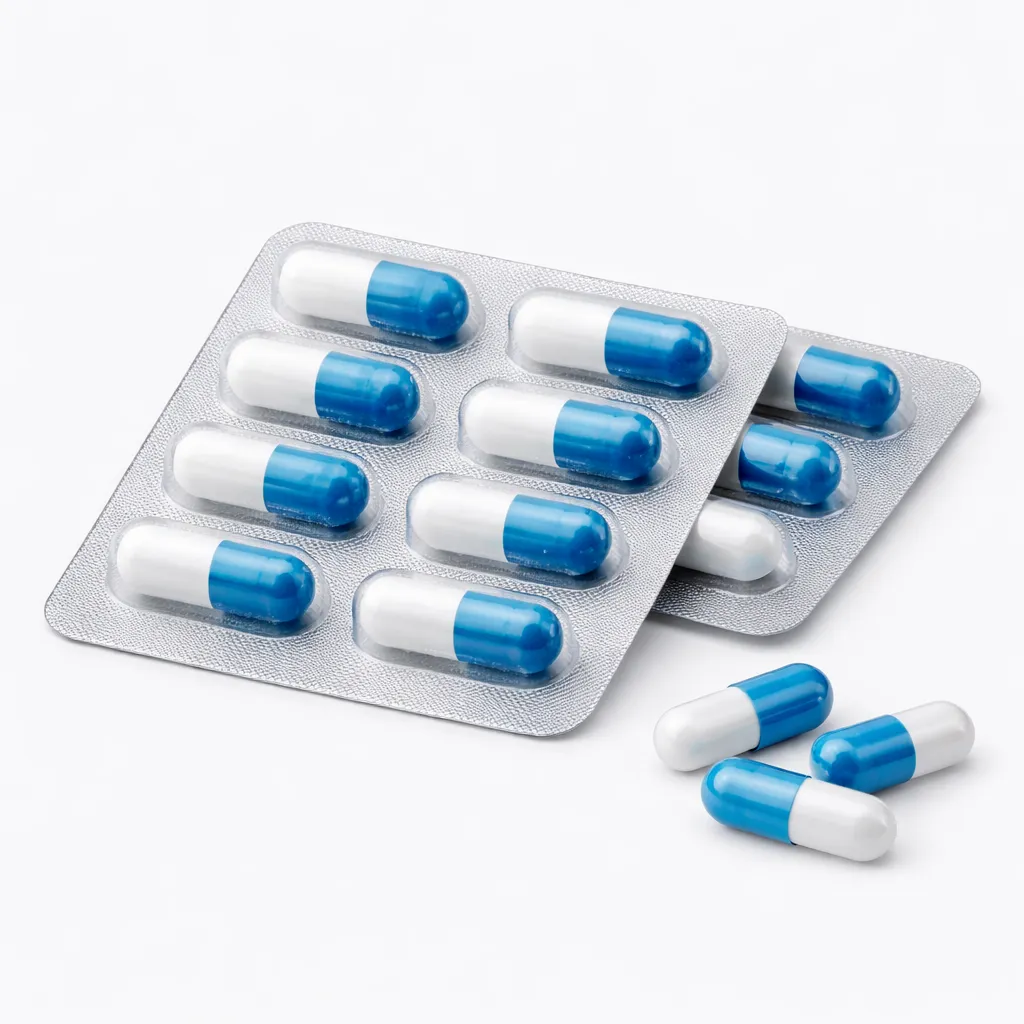
Description
ELIQUIS 2.5 MG
Indications
ELIQUIS (apixaban) 2.5 mg is an oral anticoagulant indicated for the prevention of stroke and systemic embolism in patients with nonvalvular atrial fibrillation. It is also indicated for the treatment of deep vein thrombosis (DVT) and pulmonary embolism (PE), as well as for the reduction in the risk of recurrent DVT and PE following initial therapy. Additionally, ELIQUIS is used for the prophylaxis of DVT following hip or knee replacement surgery.
Mechanism of Action
ELIQUIS is a selective inhibitor of Factor Xa, an essential enzyme in the coagulation cascade. By inhibiting Factor Xa, ELIQUIS disrupts the conversion of prothrombin to thrombin, which is necessary for the formation of fibrin clots. This mechanism reduces thrombus formation and helps prevent the occurrence of thromboembolic events. Unlike traditional anticoagulants, ELIQUIS does not require routine monitoring of coagulation parameters, making it a convenient option for patients.
Pharmacological Properties
ELIQUIS exhibits a rapid onset of action, with peak plasma concentrations occurring approximately 3 to 4 hours after administration. The bioavailability of apixaban is approximately 50% when taken orally, and it is primarily metabolized by the liver through cytochrome P450 enzymes, particularly CYP3A4. The elimination half-life of ELIQUIS is approximately 12 hours, allowing for twice-daily dosing in most indications. Renal excretion accounts for about 27% of the drug’s elimination, making renal function an important consideration in dosing.
Contraindications
ELIQUIS is contraindicated in patients with a known hypersensitivity to apixaban or any of its excipients. It should not be used in patients with active bleeding, including conditions such as gastrointestinal bleeding, intracranial hemorrhage, or bleeding disorders. Additionally, ELIQUIS is contraindicated in patients with severe renal impairment (creatinine clearance < 15 mL/min) and those who are receiving concomitant treatment with strong dual inhibitors of CYP3A4 and P-glycoprotein.
Side Effects
The most common side effects associated with ELIQUIS include bleeding complications, such as gastrointestinal bleeding, hematoma, and epistaxis. Other potential side effects may include nausea, anemia, and rash. Serious side effects can occur, including major bleeding events, which may require urgent medical attention. Patients should be monitored closely for signs and symptoms of bleeding, especially during the initial phase of treatment.
Dosage and Administration
The recommended dosage of ELIQUIS for most indications is 5 mg taken orally twice daily. However, for patients who meet at least two of the following criteria—age ≥ 80 years, body weight ≤ 60 kg, or serum creatinine ≥ 1.5 mg/dL—the dosage may be reduced to 2.5 mg twice daily. For the treatment of DVT and PE, the initial dose is typically 10 mg taken orally twice daily for the first 7 days, followed by the maintenance dose of 5 mg twice daily. It is important to take ELIQUIS with or without food consistently to maintain stable drug levels.
Interactions
ELIQUIS has several drug interactions that may affect its efficacy and safety. Concomitant use of strong inhibitors of CYP3A4 and P-glycoprotein, such as ketoconazole, itraconazole, and ritonavir, can increase apixaban levels and increase the risk of bleeding. Conversely, strong inducers of these pathways, such as rifampin and St. John’s Wort, may reduce apixaban levels, potentially diminishing its anticoagulant effect. Patients should inform their healthcare provider of all medications, including over-the-counter products and herbal supplements, to avoid potential interactions.
Precautions
Before initiating treatment with ELIQUIS, a thorough assessment of the patient’s renal and hepatic function is essential. Caution is advised in patients with a history of bleeding disorders, recent surgery, or those undergoing invasive procedures. Patients should be educated about the signs and symptoms of bleeding and the importance of adherence to the prescribed regimen. It is also crucial to avoid discontinuation of ELIQUIS without consulting a healthcare provider, as this may increase the risk of thromboembolic events.
Clinical Studies
Clinical studies have demonstrated the efficacy and safety of ELIQUIS in various patient populations. In the ARISTOTLE trial, ELIQUIS was shown to be superior to warfarin in reducing the risk of stroke and systemic embolism in patients with nonvalvular atrial fibrillation, with a lower incidence of major bleeding. Similarly, the AMPLIFY trial confirmed the effectiveness of ELIQUIS in treating DVT and PE, showing a significant reduction in recurrent thromboembolic events compared to standard therapy. These studies underscore the favorable risk-benefit profile of ELIQUIS in the management of thromboembolic disorders.
Conclusion
ELIQUIS 2.5 mg is a well-established anticoagulant that offers effective prevention and treatment of thromboembolic events. Its mechanism of action, pharmacokinetic properties, and clinical efficacy make it a valuable option for patients at risk for stroke, DVT, and PE. However, careful consideration of contraindications, potential side effects, and drug interactions is essential to ensure safe and effective use. Patients should be adequately informed and monitored throughout their treatment to optimize outcomes.
Important
Responsible use of ELIQUIS is crucial for maximizing its benefits while minimizing risks. Patients should adhere strictly to their prescribed regimen and communicate openly with their healthcare providers about any concerns or side effects.