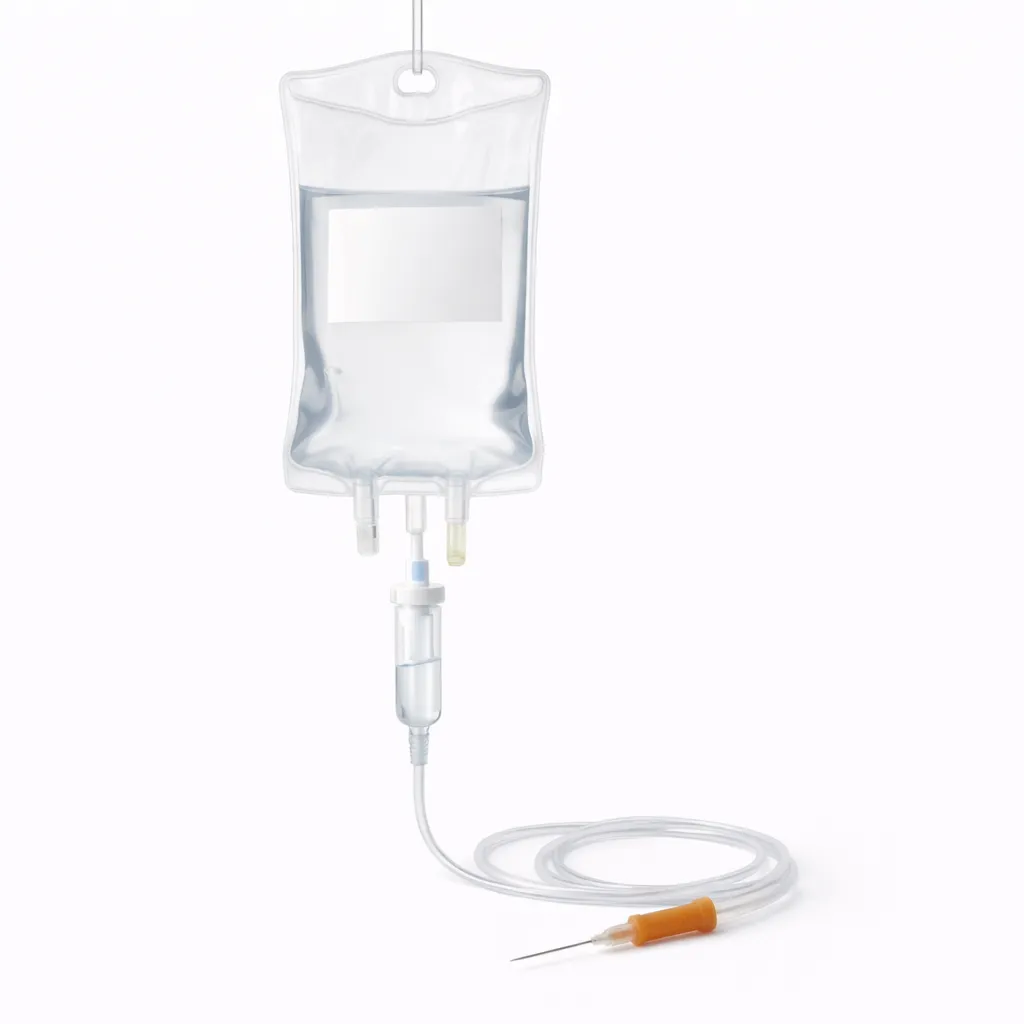
Description
EMESET 2ML INJ
Indications
EMESET 2ML INJ is primarily indicated for the prevention and treatment of nausea and vomiting associated with chemotherapy, radiotherapy, and surgery. It is particularly effective in patients undergoing highly emetogenic chemotherapy regimens, where the risk of nausea and vomiting is significantly elevated. Additionally, EMESET may be used for the management of postoperative nausea and vomiting, providing relief to patients recovering from anesthesia.
Mechanism of Action
The active ingredient in EMESET 2ML INJ is Ondansetron, a selective serotonin 5-HT3 receptor antagonist. By blocking the action of serotonin, a neurotransmitter that can trigger nausea and vomiting, Ondansetron effectively reduces the incidence of these symptoms. The drug works centrally in the chemoreceptor trigger zone (CTZ) and peripherally at the vagal nerve terminals, providing a dual mechanism that enhances its antiemetic effects.
Pharmacological Properties
EMESET is characterized by its rapid onset of action, typically within 30 minutes of administration. The pharmacokinetics of Ondansetron reveal that it is well-absorbed after intravenous administration, with a bioavailability of approximately 60% when given orally. The drug is extensively metabolized in the liver, primarily through the cytochrome P450 system, and has a half-life of about 3 to 6 hours. EMESET is excreted mainly in the urine, with a small percentage eliminated in the feces.
Contraindications
EMESET 2ML INJ is contraindicated in patients with a known hypersensitivity to Ondansetron or any of its components. Caution should be exercised in patients with a history of cardiac arrhythmias, as Ondansetron may prolong the QT interval. It is also not recommended for use in patients who are pregnant unless the potential benefits outweigh the risks, and should be avoided during breastfeeding due to the lack of sufficient safety data.
Side Effects
Common side effects associated with EMESET 2ML INJ include headache, dizziness, constipation, and fatigue. Serious side effects, although rare, may include hypersensitivity reactions, such as rash, urticaria, or anaphylaxis. Cardiac effects, including QT prolongation and arrhythmias, can occur, particularly in patients with pre-existing heart conditions. Patients should be monitored for any adverse reactions, especially following the first dose.
Dosage and Administration
The recommended dosage of EMESET 2ML INJ varies based on the indication. For the prevention of chemotherapy-induced nausea and vomiting, a single dose of 8 mg is typically administered intravenously 30 minutes before the start of chemotherapy. For postoperative nausea and vomiting, a single dose of 4 mg may be given intravenously just before induction of anesthesia. Dosage adjustments may be necessary for patients with hepatic impairment or those taking concomitant medications that affect the metabolism of Ondansetron.
Interactions
EMESET 2ML INJ may interact with other medications, particularly those that prolong the QT interval, such as certain antiarrhythmics, antipsychotics, and antidepressants. Caution is advised when EMESET is used in conjunction with drugs that are known to affect the cytochrome P450 enzyme system, as they may alter the metabolism of Ondansetron. It is essential to review a patient’s complete medication list to avoid potential drug interactions.
Precautions
Prior to administering EMESET 2ML INJ, a thorough medical history should be obtained to identify any pre-existing conditions that may increase the risk of side effects. Patients with a history of cardiac disease, electrolyte imbalances, or those receiving other medications that may affect cardiac function should be closely monitored. Additionally, EMESET should be used with caution in patients with a history of bowel obstruction, as Ondansetron may mask symptoms of this condition.
Clinical Studies
Numerous clinical studies have demonstrated the efficacy of EMESET 2ML INJ in reducing nausea and vomiting in various patient populations. In a randomized, double-blind trial involving patients undergoing chemotherapy, EMESET was shown to significantly reduce the incidence of acute and delayed nausea compared to placebo. Another study focused on postoperative patients revealed that EMESET effectively decreased the need for rescue antiemetics and improved overall patient satisfaction. These findings support the use of EMESET as a valuable tool in managing nausea and vomiting across different clinical settings.
Conclusion
EMESET 2ML INJ is a potent antiemetic agent that plays a crucial role in the management of nausea and vomiting associated with chemotherapy, radiotherapy, and postoperative recovery. Its mechanism of action as a selective 5-HT3 receptor antagonist provides effective symptom relief, making it a preferred choice among healthcare providers. While generally well-tolerated, careful consideration of contraindications, potential side effects, and drug interactions is essential to ensure patient safety and optimize therapeutic outcomes.
Important
It is crucial to use EMESET 2ML INJ responsibly and under the guidance of a qualified healthcare professional. Patients should be informed about the potential side effects and interactions with other medications. Always follow the prescribed dosage and administration guidelines to ensure safe and effective treatment.