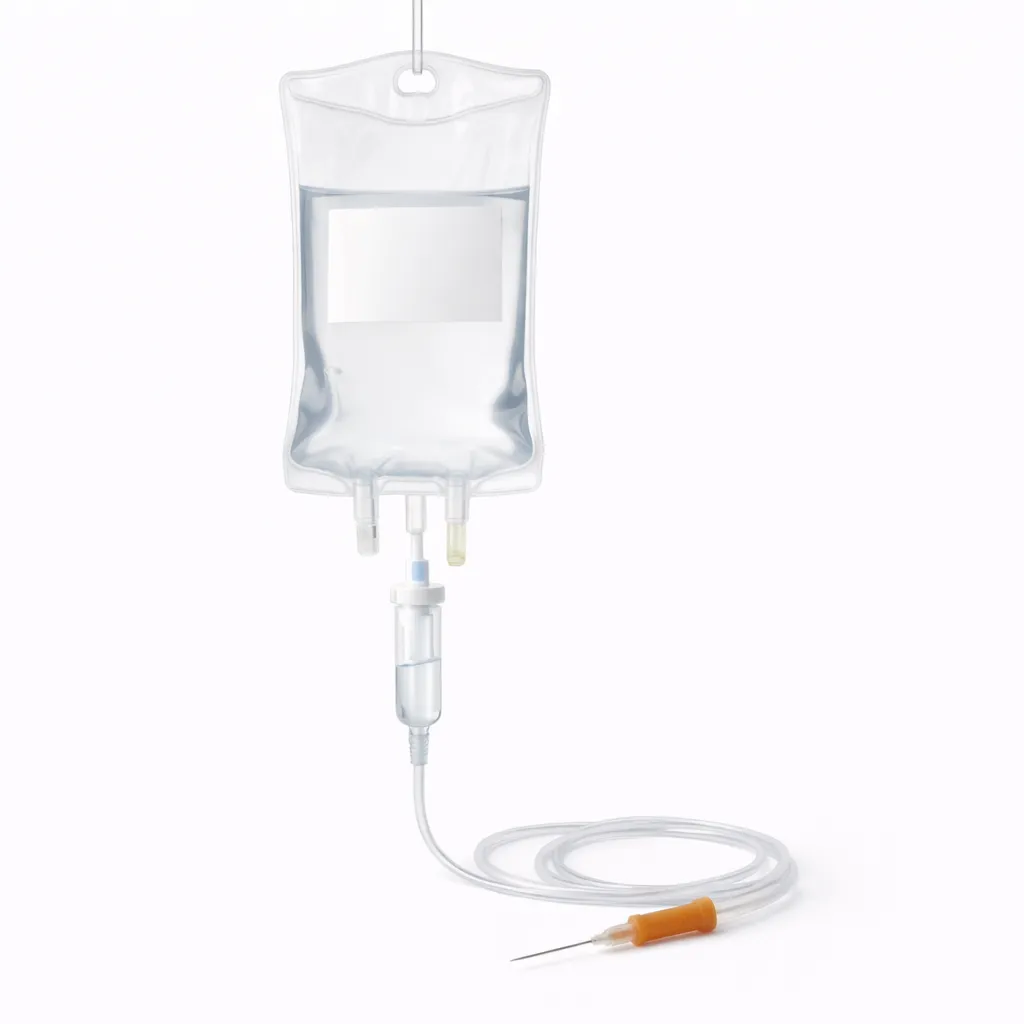
Description
EPOFER 4000 IU INJ
Indications
EPOFER 4000 IU INJ is primarily indicated for the treatment of anemia associated with chronic kidney disease (CKD) in adult patients. It is also used in patients undergoing chemotherapy for cancer, where anemia is a common complication. Additionally, EPOFER can be prescribed for patients undergoing major surgeries who are at risk of significant blood loss. This medication is essential in managing anemia by stimulating erythropoiesis, thereby improving the quality of life for patients suffering from these conditions.
Mechanism of Action
The active ingredient in EPOFER is recombinant human erythropoietin (rHuEPO), a glycoprotein that is produced in the kidneys. Erythropoietin plays a crucial role in the regulation of red blood cell production in the bone marrow. When administered, EPOFER binds to erythropoietin receptors on erythroid progenitor cells, promoting their proliferation and differentiation into mature red blood cells. This process enhances hemoglobin levels and improves oxygen delivery to tissues, which is particularly beneficial in patients with anemia.
Pharmacological Properties
EPOFER exhibits pharmacokinetic properties that are significant for its therapeutic use. After subcutaneous administration, the peak plasma concentration of erythropoietin is reached within 12 to 28 hours. The half-life of EPOFER is approximately 4 to 13 hours, allowing for flexible dosing schedules. The drug is predominantly eliminated through the kidneys, and its clearance can be affected in patients with renal impairment. EPOFER is available in a sterile injectable form, ensuring ease of administration in clinical settings.
Contraindications
EPOFER 4000 IU INJ is contraindicated in patients who have a known hypersensitivity to recombinant human erythropoietin or any of the excipients in the formulation. It should not be used in patients with uncontrolled hypertension, as it may exacerbate this condition. Additionally, EPOFER is contraindicated in individuals with pure red cell aplasia (PRCA) that is associated with previous erythropoietin therapy. Caution should be exercised when considering EPOFER for patients with a history of seizures or those who are pregnant or breastfeeding.
Side Effects
Common side effects of EPOFER may include hypertension, headache, and injection site reactions such as pain, redness, or swelling. Some patients may experience flu-like symptoms, including fever, chills, and fatigue. Serious side effects can occur, including thromboembolic events, such as deep vein thrombosis or pulmonary embolism, particularly in patients with pre-existing cardiovascular conditions. It is crucial for patients to report any unusual symptoms to their healthcare provider promptly.
Dosage and Administration
The dosage of EPOFER 4000 IU INJ is individualized based on the patient’s hemoglobin levels, response to treatment, and underlying condition. For patients with anemia due to CKD, the initial dose is typically 50 to 100 IU/kg administered subcutaneously or intravenously three times a week. For patients undergoing chemotherapy, the recommended starting dose is 150 IU/kg subcutaneously once a week or 40,000 IU once every two weeks. Adjustments to the dosage may be necessary based on hemoglobin levels, with the goal of maintaining levels between 10 to 12 g/dL. It is essential to follow the prescribing physician’s guidelines for administration and monitoring.
Interactions
Precautions
Before starting treatment with EPOFER, a thorough assessment of the patient’s medical history and current health status is necessary. Regular monitoring of hemoglobin levels is essential to avoid the risks associated with excessive increases in hemoglobin, which can lead to cardiovascular complications. Patients should be monitored for signs of hypertension and thromboembolic events throughout the course of treatment. It is also important to evaluate iron stores and consider iron supplementation, as adequate iron levels are crucial for the effectiveness of erythropoietin therapy. Special caution should be exercised in patients with a history of malignancy, as the use of EPOFER may be associated with tumor progression in some cases.
Clinical Studies
Clinical studies have demonstrated the efficacy of EPOFER in improving hemoglobin levels in patients with anemia due to chronic kidney disease and those undergoing chemotherapy. A randomized controlled trial published in the Journal of the American Society of Nephrology showed that patients receiving EPOFER experienced significant increases in hemoglobin levels compared to the placebo group, with a favorable safety profile. Another study in cancer patients indicated that EPOFER effectively reduced the need for blood transfusions and improved quality of life. These findings support the use of EPOFER as a valuable therapeutic option in managing anemia in various clinical settings.
Conclusion
EPOFER 4000 IU INJ is a critical medication for the management of anemia associated with chronic kidney disease and cancer treatment. Its mechanism of action, pharmacological properties, and clinical efficacy make it an essential tool in improving patient outcomes. However, careful consideration of contraindications, potential side effects, and drug interactions is necessary to ensure safe and effective use. Regular monitoring and patient education are vital components of therapy to maximize the benefits of EPOFER while minimizing risks.
Important
It is essential to use EPOFER 4000 IU INJ responsibly and under the supervision of a qualified healthcare provider. Patients should adhere to prescribed dosages and report any adverse effects or concerns to their healthcare team promptly.