Description
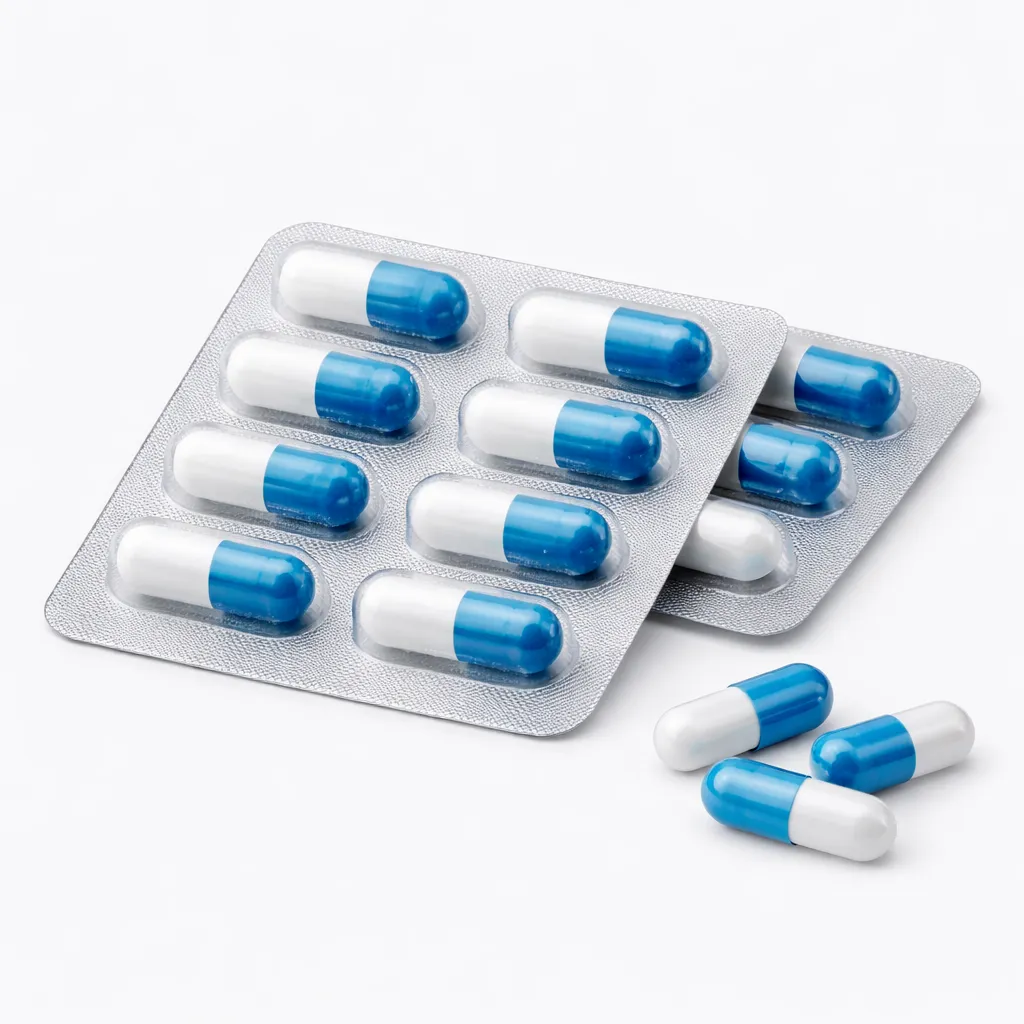
EPTUS 50 MG
Indications
EPTUS 50 MG is primarily indicated for the treatment of various conditions related to anxiety and mood disorders. It is commonly prescribed for patients experiencing generalized anxiety disorder (GAD), panic disorder, and major depressive disorder (MDD). Additionally, EPTUS may be utilized in the management of obsessive-compulsive disorder (OCD) and post-traumatic stress disorder (PTSD). The medication is designed to alleviate symptoms associated with these conditions, improving overall quality of life for patients.
Mechanism of Action
The active ingredient in EPTUS 50 MG is a selective serotonin reuptake inhibitor (SSRI). SSRIs function by increasing the levels of serotonin, a neurotransmitter that plays a crucial role in mood regulation, in the brain. By inhibiting the reuptake of serotonin in the synaptic cleft, EPTUS enhances serotonergic transmission, which is believed to contribute to its therapeutic effects in reducing anxiety and depressive symptoms. This mechanism helps to restore the balance of neurotransmitters, leading to improved emotional stability and reduced feelings of anxiety.
Pharmacological Properties
EPTUS 50 MG exhibits a well-defined pharmacokinetic profile. After oral administration, the drug is rapidly absorbed, with peak plasma concentrations typically occurring within 1 to 2 hours. It has a bioavailability of approximately 60-80%, and its effects may last for an extended duration due to its half-life of around 24 hours. EPTUS is extensively metabolized in the liver, primarily through cytochrome P450 enzymes, which can be affected by other medications. The drug is excreted mainly through urine, with a small fraction eliminated in feces.
Contraindications
EPTUS 50 MG is contraindicated in patients with a known hypersensitivity to the active ingredient or any of the excipients in the formulation. It should not be used in combination with monoamine oxidase inhibitors (MAOIs) or within 14 days of discontinuing such treatment due to the risk of serotonin syndrome. Additionally, caution is advised in patients with a history of seizures, bipolar disorder, or those who are pregnant or breastfeeding, as the safety of EPTUS in these populations has not been fully established.
Side Effects
Like all medications, EPTUS 50 MG may cause side effects. Commonly reported side effects include nausea, headache, dizziness, insomnia, and sexual dysfunction. Patients may also experience gastrointestinal disturbances, such as diarrhea or constipation. While most side effects are mild and transient, serious adverse effects can occur, including serotonin syndrome, increased suicidal thoughts in young adults, and severe allergic reactions. It is essential for patients to monitor their symptoms and report any concerning side effects to their healthcare provider.
Dosage and Administration
The recommended starting dose of EPTUS 50 MG for adults is typically one tablet taken once daily. Depending on the patient’s response and tolerance, the dosage may be adjusted by the healthcare provider, with a maximum daily dose not exceeding 100 MG. It is important for patients to take EPTUS at the same time each day to maintain consistent blood levels of the medication. The tablet should be swallowed whole with a glass of water and can be taken with or without food. Patients should not abruptly discontinue the medication without consulting their healthcare provider, as this may lead to withdrawal symptoms.
Interactions
EPTUS 50 MG may interact with various medications, potentially altering its efficacy or increasing the risk of adverse effects. Co-administration with other SSRIs, SNRIs, or MAOIs can lead to serotonin syndrome, a potentially life-threatening condition. Additionally, EPTUS may interact with anticoagulants, antiplatelet agents, and non-steroidal anti-inflammatory drugs (NSAIDs), increasing the risk of bleeding. Patients should inform their healthcare provider of all medications, supplements, and herbal products they are taking to avoid potential interactions.
Precautions
Before initiating treatment with EPTUS 50 MG, it is crucial for healthcare providers to conduct a thorough assessment of the patient’s medical history. Special caution should be exercised in patients with a history of mania or hypomania, as SSRIs can potentially trigger manic episodes. Additionally, patients with liver or kidney impairment may require dose adjustments due to altered drug metabolism and elimination. Regular monitoring for worsening depression or emergence of suicidal thoughts is essential, particularly during the initial treatment phase or after dosage changes.
Clinical Studies
Numerous clinical studies have evaluated the efficacy and safety of EPTUS 50 MG in treating anxiety and mood disorders. In randomized controlled trials, patients demonstrated significant improvement in anxiety and depressive symptoms compared to placebo groups. The studies indicated that EPTUS effectively reduced the severity of anxiety and improved overall functioning. Furthermore, long-term studies have shown that EPTUS maintains its efficacy over extended periods, with a favorable safety profile. These findings support the use of EPTUS as a first-line treatment option for patients with GAD, MDD, and other related disorders.
Conclusion
EPTUS 50 MG is a valuable therapeutic option for individuals suffering from anxiety and mood disorders. Its mechanism of action as a selective serotonin reuptake inhibitor allows for effective management of symptoms associated with these conditions. While generally well-tolerated, patients should be aware of potential side effects and drug interactions. Ongoing communication with healthcare providers is essential to ensure the safe and effective use of EPTUS. Through careful monitoring and appropriate dosage adjustments, EPTUS can significantly improve the quality of life for those affected by anxiety and mood disorders.
Important
It is essential to use EPTUS 50 MG responsibly and under the supervision of a qualified healthcare professional. Patients should adhere to prescribed dosages and report any adverse effects or concerns to their healthcare provider promptly.