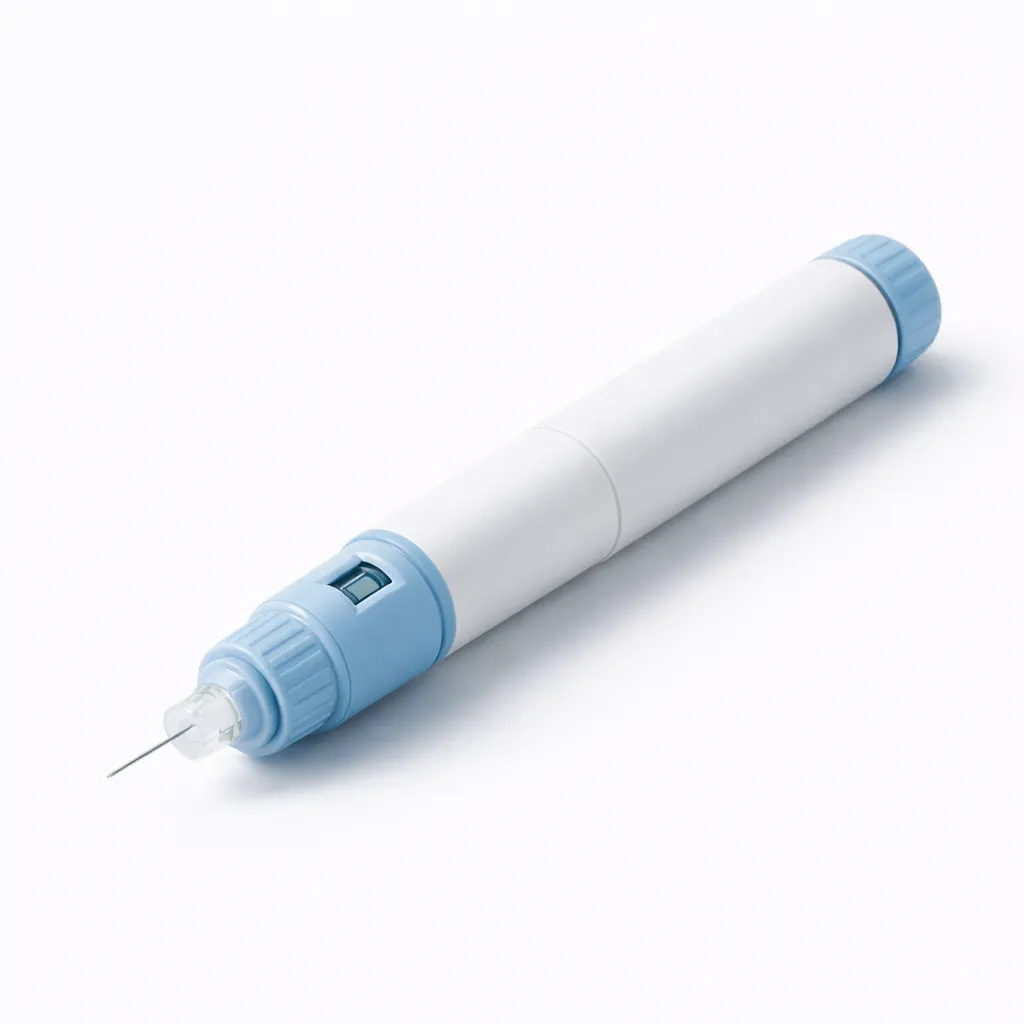
Description
FIASP FLXITOUCH INJ 3ML
Indications
FIASP FLXITOUCH INJ 3ML is indicated for the treatment of diabetes mellitus in adults and children aged 2 years and older. It is specifically designed for the management of blood glucose levels in patients with type 1 and type 2 diabetes. This rapid-acting insulin formulation is intended to be used in conjunction with a long-acting insulin or other antidiabetic medications, as part of a comprehensive diabetes management plan.
Mechanism of Action
FIASP FLXITOUCH contains insulin aspart, a rapid-acting insulin analog. The mechanism of action involves the binding of insulin aspart to insulin receptors on the cell membranes of target tissues, such as muscle and adipose tissues. This binding facilitates the uptake of glucose from the bloodstream into the cells, thereby lowering blood glucose levels. The rapid onset of action, typically within 15 minutes of administration, allows for better control of postprandial glucose levels when taken just before or after meals.
Pharmacological Properties
FIASP FLXITOUCH is characterized by its rapid absorption and onset of action. After subcutaneous injection, insulin aspart is quickly absorbed into the bloodstream, with peak concentrations occurring approximately 1 to 3 hours post-injection. The duration of action is typically around 3 to 5 hours, making it suitable for mealtime insulin coverage. The pharmacokinetics of FIASP FLXITOUCH may vary based on individual patient factors, including age, weight, and overall health status.
Contraindications
FIASP FLXITOUCH is contraindicated in patients with a known hypersensitivity to insulin aspart or any of the excipients in the formulation. It should also not be used in patients with severe hypoglycemia or during episodes of hypoglycemia. Additionally, it is contraindicated in individuals with diabetic ketoacidosis, as immediate treatment with intravenous insulin is required in such cases.
Side Effects
The use of FIASP FLXITOUCH may lead to several side effects, including but not limited to:
- Hypoglycemia: The most common side effect, characterized by symptoms such as sweating, tremors, confusion, and palpitations.
- Injection site reactions: Pain, redness, or swelling at the injection site may occur.
- Allergic reactions: Rarely, patients may experience systemic allergic reactions, including rash, itching, or anaphylaxis.
- Weight gain: Patients may experience weight gain due to the anabolic effects of insulin.
- Edema: Peripheral edema may occur, particularly in patients with diabetes.
Dosage and Administration
The dosage of FIASP FLXITOUCH must be individualized based on the patient’s needs, blood glucose levels, and dietary habits. It is typically administered subcutaneously into the abdomen, thigh, or upper arm. The injection should be given immediately before or within 20 minutes after starting a meal. Patients should be trained on proper injection techniques and the importance of rotating injection sites to minimize lipodystrophy.
For adults with type 1 diabetes, the initial dose may range from 0.5 to 1.0 units/kg/day, while for type 2 diabetes, the starting dose may vary based on the patient’s current insulin regimen and blood glucose control. Regular monitoring of blood glucose levels is essential to adjust the dosage as needed.
Interactions
FIASP FLXITOUCH may interact with various medications, potentially affecting blood glucose levels. Some notable interactions include:
- Oral hypoglycemic agents: Concomitant use may enhance the hypoglycemic effect.
- Beta-blockers: These can mask the symptoms of hypoglycemia and may prolong the hypoglycemic effects of insulin.
- Thiazide diuretics: These may increase blood glucose levels and counteract the effects of insulin.
- Alcohol: Consumption of alcohol can lead to unpredictable changes in blood glucose levels.
Patients should inform their healthcare provider about all medications they are taking, including over-the-counter drugs and supplements, to avoid potential interactions.
Precautions
Before initiating treatment with FIASP FLXITOUCH, healthcare providers should assess the patient’s overall health status and any underlying conditions. Special precautions should be taken in patients with renal or hepatic impairment, as these conditions may affect insulin metabolism and clearance. Additionally, patients with a history of hypoglycemia should be closely monitored, and education on recognizing and managing hypoglycemic episodes is essential.
Patients should also be advised to maintain a consistent diet and exercise regimen, as these factors can significantly influence insulin requirements and overall glycemic control.
Clinical Studies
Clinical studies have demonstrated the efficacy and safety of FIASP FLXITOUCH in managing blood glucose levels in patients with diabetes. In a randomized controlled trial, FIASP was shown to provide superior postprandial glucose control compared to regular insulin, with a rapid onset of action and a favorable safety profile. The study indicated that patients using FIASP experienced fewer episodes of hypoglycemia, particularly during the night, compared to those using regular insulin.
Another study highlighted the flexibility of FIASP in meal timing, allowing for greater convenience and improved adherence to treatment regimens. The results support the use of FIASP FLXITOUCH as an effective option for managing diabetes in various patient populations.
Conclusion
FIASP FLXITOUCH INJ 3ML is a rapid-acting insulin formulation that plays a crucial role in the management of diabetes mellitus. With its quick onset of action and flexibility in administration, it provides patients with a valuable tool for achieving optimal glycemic control. However, as with any medication, it is essential for patients to work closely with their healthcare providers to determine the appropriate dosage and monitor for potential side effects and interactions. Through responsible use and regular monitoring, patients can effectively manage their diabetes and improve their overall quality of life.
Important
It is crucial to use FIASP FLXITOUCH INJ 3ML responsibly and under the supervision of a qualified healthcare professional. Patients should adhere to prescribed dosages and regularly monitor their blood glucose levels to ensure optimal management of their condition.