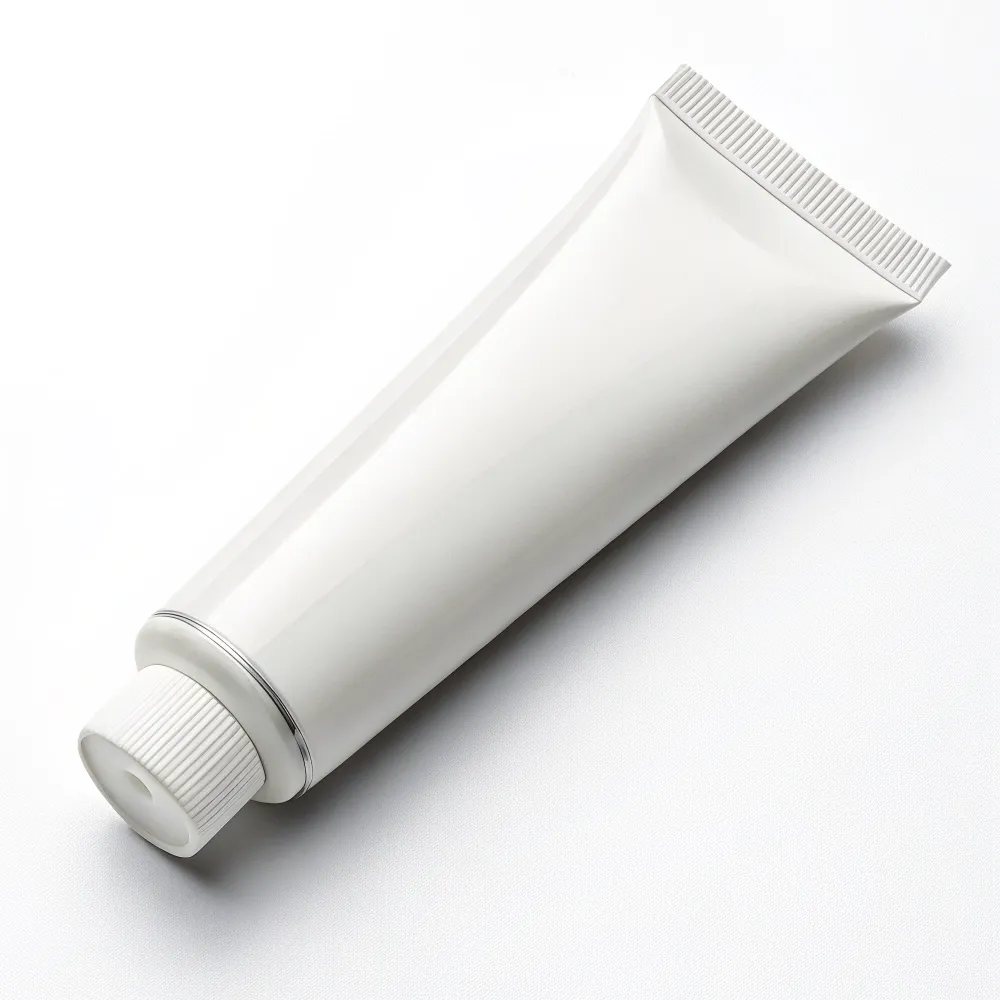
Description
FLONIDA 1% CREAM 10GM
Indications
FLONIDA 1% Cream is primarily indicated for the treatment of various inflammatory skin conditions, including eczema, dermatitis, and psoriasis. It is effective in alleviating symptoms such as redness, itching, and swelling associated with these conditions. The cream is also utilized for the management of allergic reactions on the skin and other dermatological disorders where corticosteroid therapy is warranted.
Mechanism of Action
The active ingredient in FLONIDA 1% Cream is a topical corticosteroid, which works by inhibiting the inflammatory response in the skin. Corticosteroids exert their effects by binding to specific receptors in the cytoplasm of target cells, leading to the modulation of gene expression. This results in the suppression of pro-inflammatory cytokines and other mediators that contribute to inflammation. Consequently, FLONIDA reduces the signs and symptoms of inflammation, such as erythema, edema, and pruritus.
Pharmacological Properties
FLONIDA 1% Cream is characterized by its potent anti-inflammatory and immunosuppressive properties. It is formulated to penetrate the skin effectively, allowing for localized action with minimal systemic absorption. The cream is designed to provide a smooth and non-greasy application, enhancing patient compliance. Pharmacokinetics studies indicate that the absorption of the active ingredient is minimal, thereby reducing the risk of systemic side effects when used as directed. The cream’s formulation also includes emollients that help to hydrate the skin and improve its barrier function.
Contraindications
FLONIDA 1% Cream should not be used in individuals with a known hypersensitivity to any of its components. It is contraindicated in patients with viral infections of the skin, such as herpes simplex, chickenpox, and warts. Additionally, the cream should not be applied to areas with fungal or bacterial infections unless appropriate antimicrobial treatment is initiated. Caution is advised when using FLONIDA in patients with a history of skin atrophy or other skin conditions that may be exacerbated by corticosteroid use.
Side Effects
Common side effects associated with the use of FLONIDA 1% Cream may include local reactions such as burning, stinging, or itching at the application site. Prolonged use can lead to skin thinning, striae, and telangiectasia. Other potential side effects include folliculitis and secondary infections due to alteration of the skin flora. Systemic side effects are rare but may occur with excessive or prolonged use, particularly in sensitive populations such as children or individuals with extensive skin involvement.
Dosage and Administration
FLONIDA 1% Cream is intended for topical use only. The recommended dosage is to apply a thin layer of the cream to the affected area once or twice daily, depending on the severity of the condition and the physician’s recommendation. It is important to gently rub the cream into the skin until it is fully absorbed. Patients should avoid occlusive dressings unless directed by a healthcare professional, as this may increase the risk of systemic absorption and side effects. Treatment duration should be limited to the shortest period necessary to achieve the desired therapeutic effect.
Interactions
Currently, there are no well-documented drug interactions specifically associated with FLONIDA 1% Cream. However, caution is advised when using other topical medications concurrently, as they may enhance the absorption of corticosteroids or lead to increased skin irritation. Patients should inform their healthcare provider of all medications they are using, including over-the-counter products and herbal supplements, to prevent potential interactions.
Precautions
Patients should use FLONIDA 1% Cream with caution in the following situations: in pediatric patients, as their skin may be more permeable and susceptible to systemic absorption; in pregnant or breastfeeding women, where the effects on the fetus or infant are not fully understood; and in individuals with a history of skin infections or atrophic skin. It is advisable to monitor the treatment area for any signs of adverse reactions, and patients should be instructed to discontinue use and consult a healthcare provider if they experience significant irritation or worsening of their condition.
Clinical Studies
Clinical studies have demonstrated the efficacy of FLONIDA 1% Cream in reducing the symptoms of inflammatory skin conditions. In randomized controlled trials, patients treated with FLONIDA showed significant improvement in clinical signs such as erythema and pruritus compared to placebo. The safety profile of FLONIDA was also evaluated, showing that most adverse effects were localized and mild, with a low incidence of serious side effects. These findings support the use of FLONIDA as a safe and effective option for managing inflammatory skin disorders.
Conclusion
FLONIDA 1% Cream offers a reliable treatment option for patients suffering from various inflammatory skin conditions. Its mechanism of action, pharmacological properties, and favorable safety profile make it a valuable addition to dermatological therapy. However, as with any medication, it is essential for patients to use FLONIDA responsibly and under the guidance of a healthcare professional to minimize the risk of side effects and ensure optimal therapeutic outcomes.
Important
It is crucial to use FLONIDA 1% Cream responsibly and as directed by a healthcare professional. Misuse or overuse of topical corticosteroids can lead to adverse effects. Always consult with your healthcare provider for personalized advice and treatment options.