
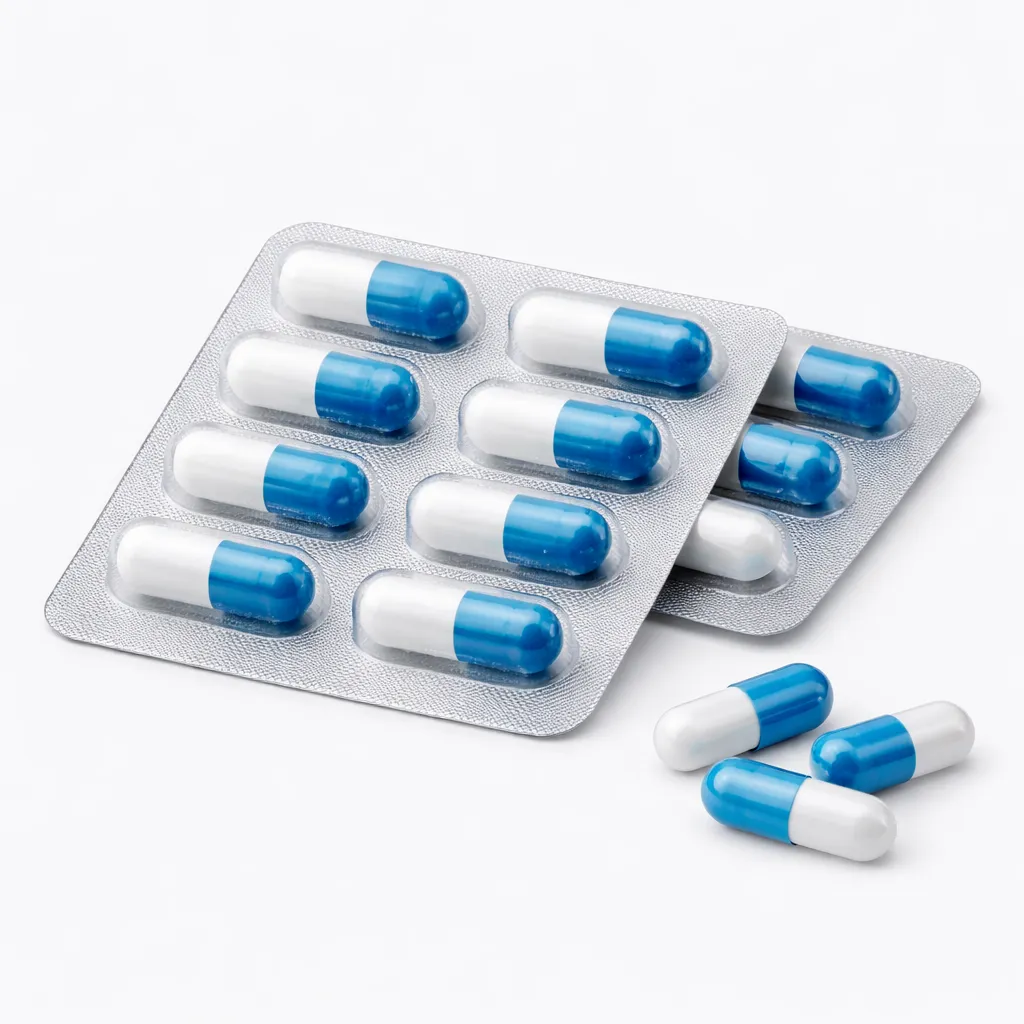
Description
GABAPIN 400 MG
Indications
GABAPIN 400 MG is primarily indicated for the management of neuropathic pain associated with diabetic neuropathy and postherpetic neuralgia. It is also utilized as an adjunctive therapy for the treatment of partial seizures in patients with epilepsy. The medication may be prescribed for other conditions as determined by a healthcare professional, including anxiety disorders and restless leg syndrome, although these uses may not be officially approved.
Mechanism of Action
Gabapentin, the active ingredient in GABAPIN 400 MG, is believed to exert its therapeutic effects through modulation of neurotransmitter release. It binds to the alpha-2-delta subunit of voltage-gated calcium channels in the central nervous system, which inhibits excitatory neurotransmitter release. This action helps to reduce neuronal excitability and alleviate pain associated with neuropathic conditions. Gabapentin does not bind to GABA receptors nor does it convert to GABA, which distinguishes it from other medications that target GABAergic pathways.
Pharmacological Properties
Gabapentin exhibits a unique pharmacokinetic profile. It is absorbed in the gastrointestinal tract with peak plasma concentrations occurring approximately 2 to 3 hours after oral administration. The bioavailability of gabapentin decreases with increasing doses, which is an important consideration when determining the appropriate dosage for patients. Gabapentin is not significantly metabolized by the liver and is primarily eliminated unchanged by the kidneys. This property makes it suitable for patients with liver impairment but requires caution in those with renal dysfunction.
Contraindications
GABAPIN 400 MG is contraindicated in patients with a known hypersensitivity to gabapentin or any of its components. Caution should be exercised in patients with a history of substance abuse or those who are currently taking medications that may interact with gabapentin. Additionally, it is not recommended for use in pediatric patients under the age of 3 years due to the lack of established safety and efficacy in this population.
Side Effects
The use of GABAPIN 400 MG may be associated with several side effects. Commonly reported adverse reactions include dizziness, fatigue, drowsiness, and peripheral edema. Other less common side effects may include nausea, vomiting, and weight gain. Serious side effects, although rare, can occur and may include mood changes, depression, or suicidal thoughts. Patients should be monitored for any signs of unusual behavioral changes and should report any concerning symptoms to their healthcare provider promptly.
Dosage and Administration
The recommended dosage of GABAPIN 400 MG varies depending on the condition being treated, the patient’s age, and renal function. For neuropathic pain, the initial dose is typically 300 mg taken orally on the first day, followed by an increase to 600 mg on the second day, and up to 900 mg on the third day, with further adjustments made based on clinical response and tolerability. For epilepsy, the initial dose may be 300 mg on the first day, with gradual increases to a maximum of 1800 mg per day divided into three doses. It is crucial to follow the prescribing physician’s instructions and not to discontinue the medication abruptly, as this may lead to withdrawal symptoms or exacerbation of seizures.
Interactions
GABAPIN 400 MG may interact with several medications, which can alter its effectiveness or increase the risk of adverse effects. Concurrent use of opioids may enhance the risk of respiratory depression, sedation, and overdose. Antacids containing aluminum or magnesium can reduce the absorption of gabapentin, and it is advisable to space the administration of these medications by at least two hours. Additionally, caution should be exercised when combining gabapentin with other central nervous system depressants, such as benzodiazepines, as this may lead to increased sedation and respiratory depression.
Precautions
Before starting GABAPIN 400 MG, it is essential for healthcare providers to assess the patient’s medical history, including any existing renal impairment, history of depression or mood disorders, and potential for substance abuse. Patients should be advised to avoid activities that require mental alertness, such as driving or operating heavy machinery, until they know how the medication affects them. It is also important to inform patients about the potential for withdrawal symptoms if the medication is discontinued suddenly and to emphasize the importance of adhering to the prescribed dosage regimen.
Clinical Studies
Numerous clinical studies have evaluated the efficacy and safety of gabapentin in various conditions. A randomized controlled trial published in the Journal of Pain Research demonstrated that gabapentin significantly reduced neuropathic pain scores compared to placebo in patients with diabetic neuropathy. Another study published in Epilepsia indicated that gabapentin was effective as an adjunctive therapy for partial seizures, with a favorable tolerability profile. These studies support the use of GABAPIN 400 MG in the management of neuropathic pain and epilepsy, highlighting its role as a valuable therapeutic option in these conditions.
Conclusion
GABAPIN 400 MG is a well-established medication for the treatment of neuropathic pain and as an adjunctive therapy for partial seizures. Its unique mechanism of action, pharmacological properties, and safety profile make it a valuable option for patients suffering from these conditions. However, careful consideration of contraindications, potential side effects, and drug interactions is essential for safe and effective use. Patients should be closely monitored for any adverse effects and should maintain open communication with their healthcare providers regarding their treatment.
Important
It is crucial to use GABAPIN 400 MG responsibly and under the guidance of a qualified healthcare professional. Patients should adhere to prescribed dosages and report any adverse effects or concerns to their doctor promptly.
