Description
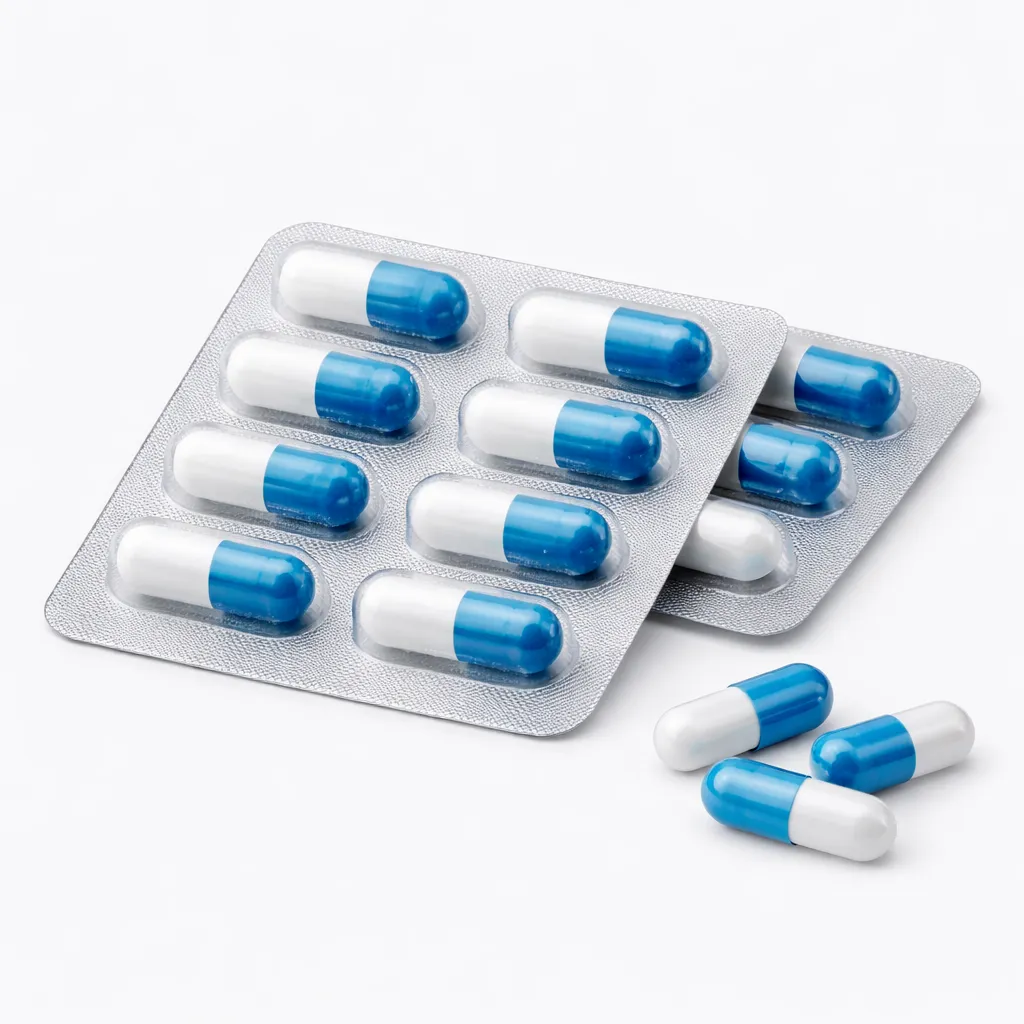
HCQS 300 MG (1X15)
Indications
HCQS 300 MG, commonly known as Hydroxychloroquine Sulfate, is primarily indicated for the treatment of various autoimmune diseases, including rheumatoid arthritis and systemic lupus erythematosus (SLE). It is also used as an antimalarial agent to prevent and treat malaria caused by Plasmodium species. In recent years, HCQS has gained attention for its potential role in managing other viral infections and inflammatory conditions, although further research is necessary to establish its efficacy in these areas.
Mechanism of Action
Hydroxychloroquine exerts its therapeutic effects through multiple mechanisms. As an antimalarial, it interferes with the growth of the malaria parasite by inhibiting its ability to digest hemoglobin. In autoimmune diseases, HCQS is believed to modulate the immune response by inhibiting the activation of T cells and reducing the production of pro-inflammatory cytokines. Additionally, it has been shown to stabilize lysosomal membranes, which may contribute to its anti-inflammatory properties.
Pharmacological Properties
HCQS is a member of the 4-aminoquinoline class of drugs. It is well-absorbed from the gastrointestinal tract, with peak plasma concentrations occurring approximately 2 to 4 hours after oral administration. Hydroxychloroquine has a long half-life, ranging from 30 to 60 days, allowing for sustained therapeutic effects. The drug is extensively distributed in tissues, particularly in the liver, lungs, spleen, and skin. It undergoes hepatic metabolism and is primarily excreted in urine as metabolites.
Contraindications
HCQS is contraindicated in patients with known hypersensitivity to hydroxychloroquine or any of its components. It should also be avoided in individuals with pre-existing retinal or visual field changes, particularly those related to previous use of 4-aminoquinoline compounds. Patients with severe renal impairment should use HCQS with caution, as renal function can affect drug clearance.
Side Effects
While HCQS is generally well-tolerated, it can cause a range of side effects. Common side effects include gastrointestinal disturbances such as nausea, vomiting, and diarrhea. Dermatological reactions, including rashes and pruritus, may also occur. More serious side effects include retinal toxicity, which can lead to irreversible vision loss, and hematological effects such as agranulocytosis and thrombocytopenia. Patients should be monitored for these adverse effects, especially during long-term therapy.
Dosage and Administration
The recommended dosage of HCQS varies based on the indication. For the treatment of rheumatoid arthritis and SLE, the typical starting dose is 400-600 mg daily, which may be adjusted based on clinical response and tolerance. For malaria prophylaxis, a dose of 400 mg is recommended once weekly. It is important to take HCQS with food to enhance absorption and minimize gastrointestinal side effects. Patients should adhere to the prescribed regimen and consult their healthcare provider before making any changes to their dosage.
Interactions
HCQS may interact with several medications, potentially altering their effects or increasing the risk of adverse reactions. Notably, co-administration with other drugs that affect the QT interval, such as certain antiarrhythmics, may increase the risk of cardiac arrhythmias. Additionally, the use of HCQS with other immunosuppressive agents can heighten the risk of infections and hematological complications. Patients should inform their healthcare provider of all medications they are taking, including over-the-counter drugs and supplements, to avoid potential interactions.
Precautions
Before initiating therapy with HCQS, a thorough medical history and physical examination should be conducted. Special caution is warranted in patients with pre-existing liver or kidney disease, as these conditions can influence drug metabolism and excretion. Regular ophthalmological examinations are recommended for patients on long-term HCQS therapy to monitor for signs of retinal toxicity. Pregnant and breastfeeding women should discuss the risks and benefits of HCQS with their healthcare provider, as the drug can cross the placenta and be excreted in breast milk.
Clinical Studies
Numerous clinical studies have investigated the efficacy and safety of HCQS in various conditions. In patients with rheumatoid arthritis, studies have shown that HCQS can significantly reduce disease activity and improve quality of life. For systemic lupus erythematosus, HCQS has been found to decrease flares and improve overall disease control. Additionally, some studies have explored the role of HCQS in viral infections, such as COVID-19, although results have been mixed and further research is needed to establish its effectiveness in this context.
Conclusion
HCQS 300 MG is a versatile medication with established uses in the treatment of autoimmune diseases and malaria. Its unique pharmacological properties and mechanisms of action make it a valuable option for managing these conditions. However, careful consideration of contraindications, potential side effects, and drug interactions is essential for safe and effective use. Ongoing research will continue to clarify the role of HCQS in various therapeutic areas and enhance our understanding of its benefits and limitations.
Important
It is crucial to use HCQS responsibly and under the guidance of a qualified healthcare professional. Patients should adhere to prescribed dosages and report any adverse effects or concerns to their healthcare provider promptly.