Description
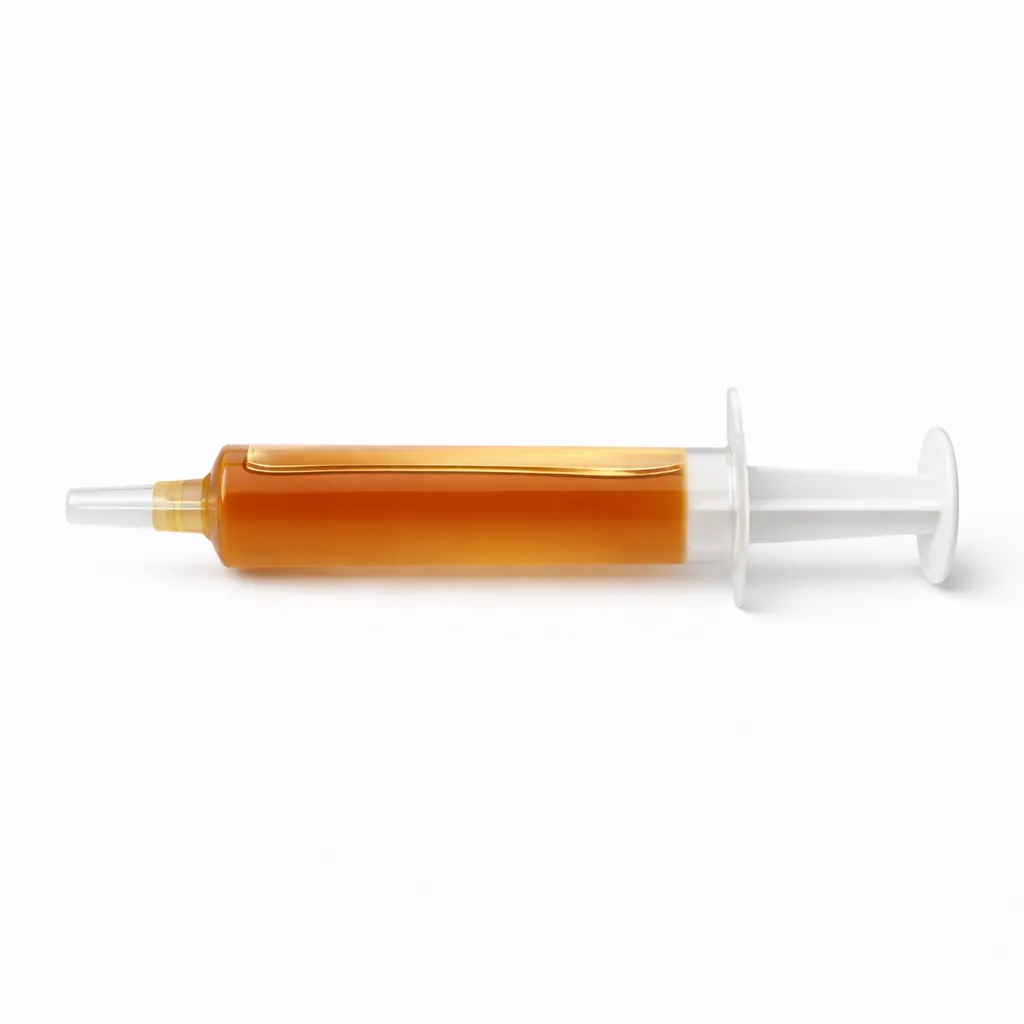
HUMINSULIN N 40 IU
Indications
HUMINSULIN N 40 IU is an insulin preparation indicated for the management of diabetes mellitus in adults and children. It is particularly useful for patients who require intermediate-acting insulin to control blood glucose levels effectively. This medication is often prescribed for individuals with Type 1 diabetes, where the pancreas produces little or no insulin, and for Type 2 diabetes, where the body does not use insulin effectively. HUMINSULIN N is typically utilized in conjunction with a proper diet and exercise regimen to achieve optimal glycemic control.
Mechanism of Action
HUMINSULIN N contains insulin, a hormone that plays a crucial role in glucose metabolism. Insulin facilitates the uptake of glucose by tissues, particularly muscle and adipose tissue, thereby lowering blood glucose levels. It also inhibits hepatic glucose production, promoting glycogen synthesis in the liver. The action of HUMINSULIN N is characterized by a delayed onset and a prolonged duration of action compared to rapid-acting insulins, making it suitable for controlling blood sugar levels throughout the day and night.
Pharmacological Properties
HUMINSULIN N is classified as an intermediate-acting insulin. It is formulated to provide a sustained release of insulin, which helps maintain blood glucose levels over an extended period. The pharmacokinetics of HUMINSULIN N indicates that its onset of action typically occurs within 1 to 2 hours after subcutaneous injection, with a peak effect occurring between 4 to 12 hours, and a duration of action lasting up to 24 hours. This profile allows for flexibility in dosing and can be tailored to meet individual patient needs.
Contraindications
HUMINSULIN N should not be used in patients who have a known hypersensitivity to insulin or any of the excipients in the formulation. It is also contraindicated in individuals experiencing episodes of hypoglycemia, as administering insulin during such conditions can exacerbate the situation. Patients with conditions such as diabetic ketoacidosis should receive appropriate treatment before initiating HUMINSULIN N therapy.
Side Effects
As with any medication, HUMINSULIN N may cause side effects. Common side effects include hypoglycemia, which is characterized by symptoms such as sweating, tremors, palpitations, and confusion. Other potential side effects include injection site reactions, such as redness, swelling, or itching. Less common but serious side effects may include allergic reactions, lipodystrophy (abnormal distribution of fat), and insulin resistance. Patients should be monitored regularly for these adverse effects, and any concerns should be discussed with a healthcare provider.
Dosage and Administration
The dosage of HUMINSULIN N is individualized based on the patient’s needs, blood glucose levels, and overall treatment goals. It is typically administered subcutaneously, and patients are advised to rotate injection sites to minimize the risk of lipodystrophy. The timing of administration is also crucial; HUMINSULIN N is usually given 30 minutes before a meal to coincide with the peak action of the insulin. Regular blood glucose monitoring is essential to adjust the dosage as needed and to ensure effective glycemic control.
Interactions
HUMINSULIN N may interact with various medications, which can alter its effectiveness or increase the risk of side effects. Certain medications, such as corticosteroids, diuretics, and beta-blockers, can affect blood glucose levels and insulin sensitivity. Alcohol consumption can also impact glucose metabolism and should be discussed with a healthcare provider. It is important for patients to inform their healthcare team about all medications, supplements, and herbal products they are taking to manage potential interactions effectively.
Precautions
Patients using HUMINSULIN N should be aware of potential precautions. Regular monitoring of blood glucose levels is essential to avoid hypoglycemia and hyperglycemia. Patients should be educated about the signs and symptoms of these conditions and how to manage them. Additionally, patients with renal or hepatic impairment may require dose adjustments due to altered insulin metabolism. It is also crucial for patients to maintain a balanced diet and adhere to their exercise regimen to optimize treatment outcomes.
Clinical Studies
Clinical studies have demonstrated the efficacy of HUMINSULIN N in managing blood glucose levels in patients with diabetes. Research indicates that HUMINSULIN N effectively reduces HbA1c levels, a key marker for long-term glycemic control. A study published in the Journal of Diabetes Research showed that patients using HUMINSULIN N experienced significant improvements in glycemic control compared to those on other insulin regimens. Furthermore, the safety profile of HUMINSULIN N has been well established, with a low incidence of severe hypoglycemia reported in clinical trials.
Conclusion
HUMINSULIN N 40 IU is a vital component in the management of diabetes mellitus, providing patients with an effective means to control their blood glucose levels. Its intermediate-acting profile allows for flexibility in dosing, making it suitable for a wide range of patients. While it is generally well-tolerated, awareness of potential side effects, contraindications, and drug interactions is essential for safe and effective use. Regular monitoring and communication with healthcare providers are paramount to achieving optimal glycemic control and minimizing risks associated with insulin therapy.
Important
Responsible use of HUMINSULIN N is crucial for effective diabetes management. Patients should follow their healthcare provider’s recommendations, monitor their blood glucose levels regularly, and report any adverse effects promptly. Education on diabetes management, including diet and exercise, plays a vital role in achieving optimal outcomes.