Description
Infusion Set Steriles
Indications
Infusion set steriles are primarily indicated for the administration of intravenous fluids, medications, and blood products in a clinical setting. They are essential in various medical scenarios, including but not limited to, hydration therapy, pain management, chemotherapy, and nutritional support. These sterile infusion sets are designed to minimize the risk of infection and ensure the safe delivery of therapeutic agents directly into the bloodstream.
Mechanism of Action
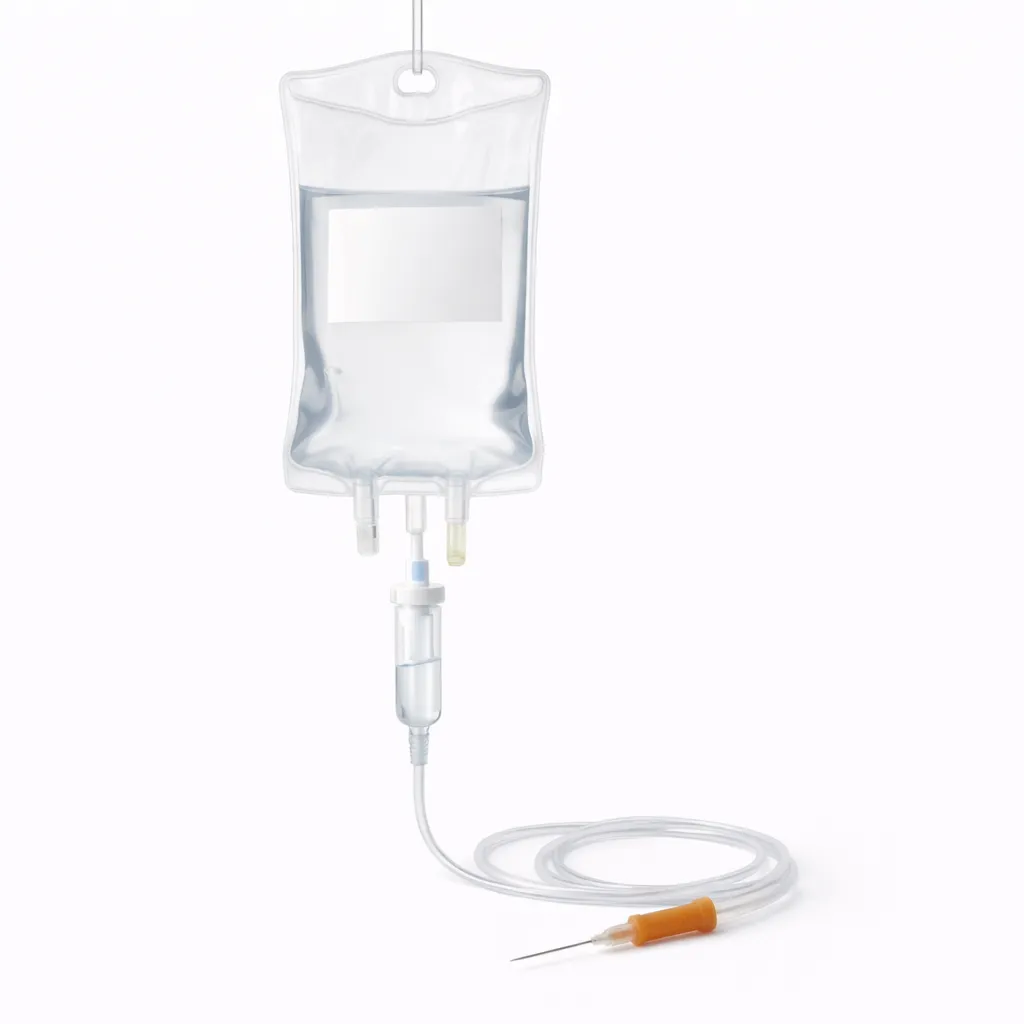
The mechanism of action of infusion set steriles involves the delivery of fluids or medications through a sterile tubing system connected to a catheter or needle inserted into a patient’s vein. The infusion set typically consists of a drip chamber, a roller clamp for flow regulation, and a connector that attaches to the IV catheter. The infusion sets are designed to maintain sterility and prevent contamination, ensuring that the substances administered are delivered safely and effectively to the circulatory system.
Pharmacological Properties
While infusion sets themselves do not possess pharmacological properties, they play a crucial role in the pharmacokinetics of the medications or fluids being administered. The properties of the infused substances, such as their solubility, viscosity, and stability, can influence the choice of infusion set. Additionally, the design of the infusion set, including the materials used, can affect the compatibility and stability of the infused solutions. It is important for healthcare providers to consider these factors when selecting an appropriate infusion set for patient care.
Contraindications
Infusion set steriles are contraindicated in patients with known allergies to the materials used in the set, such as latex or certain plastics. Additionally, infusion sets should not be used in patients with compromised venous access or severe coagulopathy, where the risk of bleeding or hematoma formation is high. It is also essential to avoid using infusion sets in situations where the infusion of fluids or medications could exacerbate a patient’s condition, such as in cases of fluid overload or specific contraindications related to the infused substance.
Side Effects
While infusion set steriles are generally safe when used correctly, there are potential side effects associated with their use. These may include local reactions at the insertion site, such as redness, swelling, or pain. In some cases, patients may experience systemic reactions, including fever or chills, particularly if there is an infection related to the catheter or infusion set. Other complications may include phlebitis, thrombosis, or infiltration of the infused solution into surrounding tissues. Proper monitoring and care can help mitigate these risks.
Dosage and Administration
The dosage and administration of fluids or medications via infusion set steriles depend on the specific clinical scenario and the therapeutic agent being used. Healthcare providers must follow established protocols for the administration of intravenous therapies, including calculating the appropriate flow rate and total volume to be infused. It is crucial to ensure that the infusion set is primed correctly to remove any air bubbles before connecting it to the patient. Regular monitoring of the infusion site and the patient’s response to treatment is essential to ensure safety and efficacy.
Interactions
Interactions involving infusion set steriles primarily relate to the medications or fluids being administered rather than the infusion sets themselves. Certain medications may interact with each other when infused concurrently, leading to altered efficacy or increased toxicity. Healthcare providers should be aware of potential drug-drug interactions and consult relevant drug interaction databases or guidelines when planning intravenous therapy. Additionally, the compatibility of infused solutions must be assessed to prevent precipitation or degradation of the therapeutic agents.
Precautions
When using infusion set steriles, several precautions should be observed to ensure patient safety. First, it is vital to maintain aseptic technique during the insertion and handling of the infusion set to prevent infections. Regular inspection of the infusion site for signs of complications is also essential. Healthcare providers should be trained in the proper use of infusion sets and understand the specific protocols related to the medications being administered. Furthermore, it is important to consider the patient’s overall clinical condition, including any pre-existing comorbidities that may affect the infusion process.
Clinical Studies
Numerous clinical studies have evaluated the efficacy and safety of various intravenous infusion techniques and devices. Research has demonstrated that the use of sterile infusion sets significantly reduces the risk of catheter-related infections compared to non-sterile methods. Studies have also shown that specific designs of infusion sets can improve flow rates and reduce complications such as phlebitis and infiltration. Ongoing research continues to explore innovations in infusion technology, including the development of smart infusion sets that can monitor flow rates and alert healthcare providers to potential issues.
Conclusion
Infusion set steriles are a critical component of modern medical practice, enabling the safe and effective administration of intravenous therapies. Understanding their indications, mechanisms, and potential complications is essential for healthcare providers to ensure optimal patient care. As research continues to advance the field of intravenous therapy, the importance of using high-quality, sterile infusion sets cannot be overstated.
Important
It is essential to use infusion set steriles responsibly and in accordance with established medical guidelines. Proper training and adherence to aseptic techniques can significantly reduce the risk of complications and enhance patient safety.