Description
KETOMAC 2%
Indications
KETOMAC 2% is a topical formulation primarily indicated for the treatment of dermatological conditions caused by fungal infections. It is effective against a variety of dermatophytes and yeasts, making it suitable for conditions such as tinea pedis (athlete’s foot), tinea cruris (jock itch), tinea corporis (ringworm), and candidiasis. KETOMAC 2% is also used in the management of seborrheic dermatitis and other skin conditions where fungal involvement is suspected.
Mechanism of Action
The active ingredient in KETOMAC 2% is ketoconazole, an imidazole antifungal agent. Ketoconazole works by inhibiting the synthesis of ergosterol, a critical component of fungal cell membranes. By disrupting ergosterol production, ketoconazole compromises the integrity of the fungal cell membrane, leading to cell lysis and death. This mechanism is effective against a broad spectrum of fungi, including dermatophytes and yeasts, thereby alleviating the symptoms associated with fungal skin infections.
Pharmacological Properties
KETOMAC 2% is characterized by its antifungal properties, which are attributed to ketoconazole. When applied topically, ketoconazole is absorbed through the skin, allowing it to exert its effects locally at the site of infection. The pharmacokinetics of ketoconazole indicate that it achieves therapeutic concentrations in the stratum corneum, making it effective for treating superficial fungal infections. The half-life of ketoconazole varies, but its effects can persist even after the drug has been cleared from the systemic circulation, providing prolonged antifungal activity.
Contraindications
KETOMAC 2% is contraindicated in individuals with a known hypersensitivity to ketoconazole or any of the other components of the formulation. It should not be used on open wounds, mucous membranes, or in the eyes. Caution is advised when using this product in patients with a history of liver disease, as systemic absorption may occur, leading to potential hepatotoxicity.
Side Effects
Common side effects associated with the use of KETOMAC 2% include localized irritation, erythema, and pruritus at the application site. These reactions are generally mild and transient. In rare cases, systemic side effects may occur, particularly if the product is used over large areas of the body or for prolonged periods. Such effects may include nausea, headache, dizziness, and liver enzyme elevations. If any severe reactions occur, such as rash or difficulty breathing, immediate medical attention should be sought.
Dosage and Administration
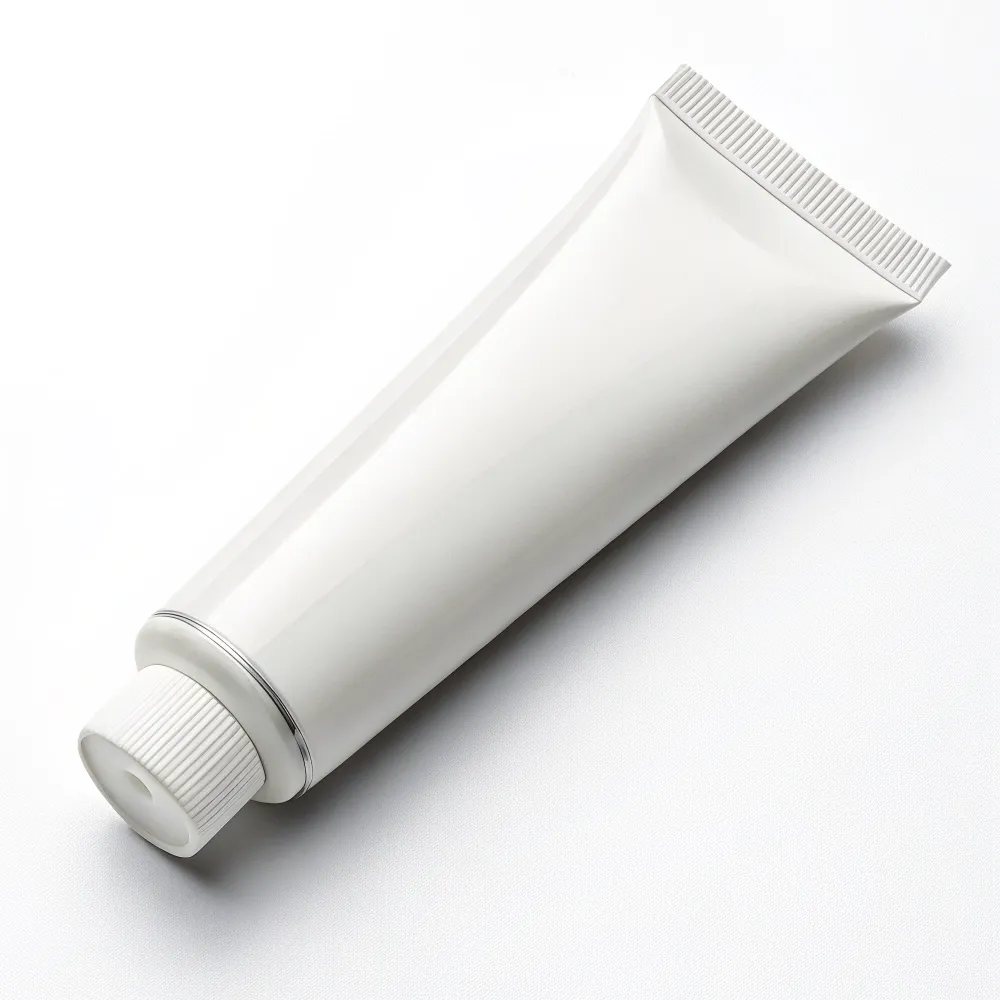
KETOMAC 2% is intended for topical use only. The recommended dosage is to apply a thin layer of the cream to the affected area once or twice daily, depending on the severity of the infection. Treatment duration typically ranges from 2 to 4 weeks, but may vary based on the specific condition being treated. Patients are advised to continue using the product for at least one week after symptoms have resolved to ensure complete eradication of the fungal infection. Proper hand hygiene should be practiced before and after application to prevent the spread of infection.
Interactions
While KETOMAC 2% is primarily used topically, it is important to consider potential interactions with other medications. Systemic absorption of ketoconazole can occur, particularly when used over extensive areas or for prolonged periods. Therefore, caution should be exercised when using this product concurrently with other medications that may affect liver enzymes, as ketoconazole is known to inhibit cytochrome P450 enzymes. Patients should consult their healthcare provider regarding any other medications they are taking to avoid potential interactions.
Precautions
Before using KETOMAC 2%, patients should inform their healthcare provider of any pre-existing medical conditions, particularly liver disease or a history of hypersensitivity to antifungal agents. It is advisable to perform a patch test prior to the first application to assess for any allergic reactions. Patients should avoid occlusive dressings over the treated area unless directed by a healthcare professional, as this may enhance systemic absorption and increase the risk of side effects. Additionally, KETOMAC 2% should be kept out of reach of children and should not be used in pediatric populations unless specifically directed by a healthcare provider.
Clinical Studies
Clinical studies have demonstrated the efficacy of KETOMAC 2% in treating various superficial fungal infections. In a randomized controlled trial, patients with tinea corporis showed significant improvement in symptoms and fungal clearance after 4 weeks of treatment with KETOMAC 2% compared to placebo. Another study highlighted the effectiveness of ketoconazole in managing seborrheic dermatitis, with patients reporting marked reduction in scaling and erythema. These studies support the use of KETOMAC 2% as a reliable option for the treatment of fungal skin infections.
Conclusion
KETOMAC 2% is a potent topical antifungal agent indicated for the treatment of various dermatological conditions caused by fungal infections. With its well-established mechanism of action and favorable pharmacological properties, KETOMAC 2% provides an effective option for patients suffering from superficial fungal infections. As with any medication, it is important for patients to follow the recommended dosage and administration guidelines and to consult their healthcare provider with any concerns or questions regarding its use.
Important
It is essential to use KETOMAC 2% responsibly and only as directed by a healthcare professional. Misuse of antifungal medications can lead to resistance and treatment failure. Always consult with a healthcare provider for proper diagnosis and treatment recommendations.