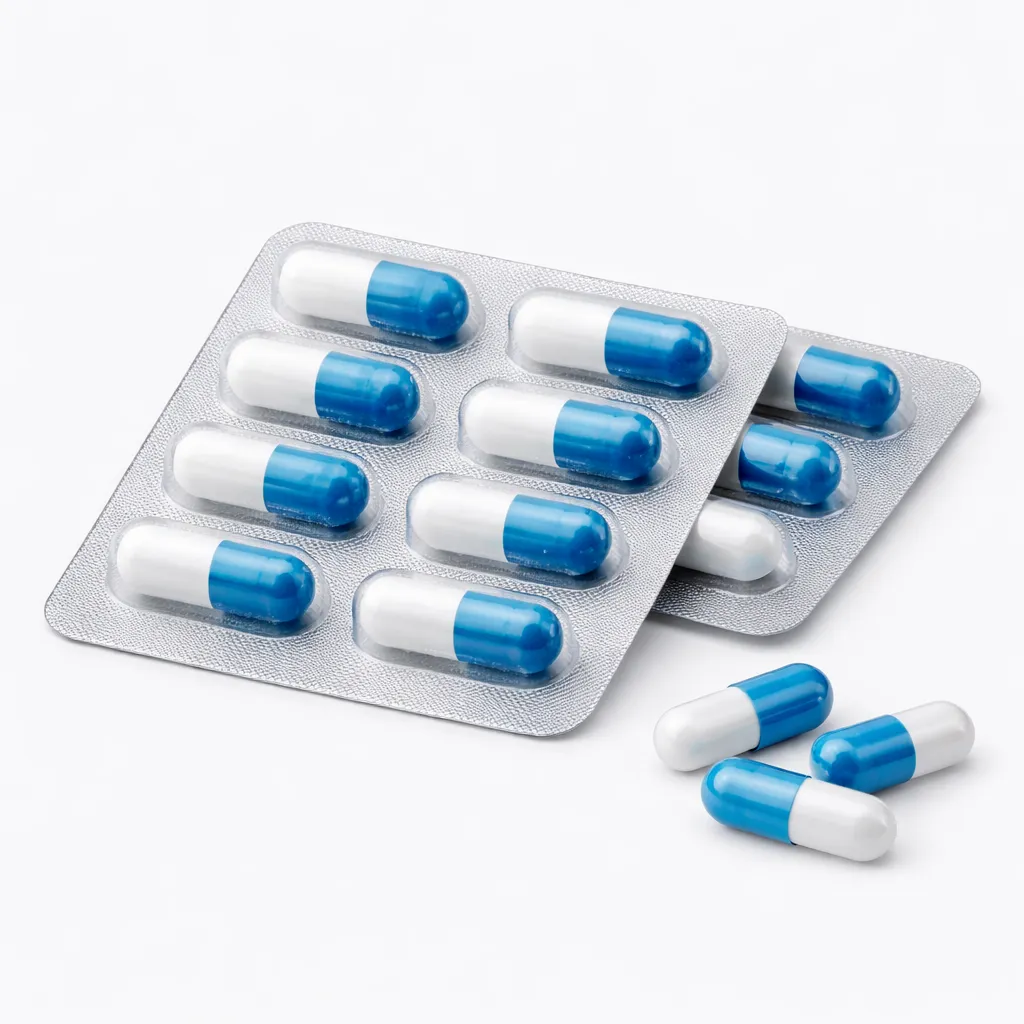
Description
LABEBET 100 MG
Indications
LABEBET 100 MG is primarily indicated for the treatment of hypertension (high blood pressure) and certain types of heart conditions. It is often prescribed to manage chronic hypertension in adults, particularly in patients who may also suffer from conditions such as heart failure or coronary artery disease. Additionally, LABEBET may be utilized in the management of hypertensive emergencies, where rapid blood pressure control is necessary.
Mechanism of Action
LABEBET is a selective alpha-1 and non-selective beta-adrenergic antagonist. By blocking the effects of norepinephrine on both alpha and beta receptors, LABEBET effectively reduces heart rate and myocardial contractility, leading to a decrease in cardiac output. Furthermore, the blockade of alpha-1 receptors results in vasodilation, which helps lower systemic vascular resistance. This dual action contributes to the overall antihypertensive effect of LABEBET, making it an effective choice for managing elevated blood pressure.
Pharmacological Properties
LABEBET is characterized by its rapid onset of action when administered intravenously, making it suitable for acute management of hypertension. The oral formulation demonstrates a bioavailability of approximately 80%, with peak plasma concentrations achieved within 1 to 2 hours after administration. The drug is extensively metabolized in the liver, primarily via conjugation and oxidation, and has an elimination half-life of approximately 6 to 8 hours. LABEBET is excreted mainly in the urine, both as unchanged drug and metabolites.
Contraindications
LABEBET should not be used in patients with a known hypersensitivity to labetalol or any of its components. It is contraindicated in individuals with severe bradycardia, second- or third-degree atrioventricular block, or decompensated heart failure. Additionally, patients with asthma or other bronchospastic diseases should avoid LABEBET due to its non-selective beta-blocking properties, which can exacerbate respiratory conditions.
Side Effects
Common side effects associated with LABEBET include dizziness, fatigue, and hypotension. Patients may also experience gastrointestinal disturbances such as nausea or diarrhea. Less frequently, LABEBET can lead to more serious side effects, including bradycardia, heart block, or severe allergic reactions. It is essential for patients to monitor for any unusual symptoms and report them to their healthcare provider promptly.
Dosage and Administration
The recommended initial dose of LABEBET for adults is typically 100 mg administered orally twice daily. Depending on the patient’s response, the dosage may be adjusted, with a maximum recommended dose of up to 400 mg per day. For intravenous administration in hypertensive emergencies, a typical starting dose is 20 mg, followed by additional doses as needed, based on the patient’s blood pressure response. It is crucial for patients to follow their healthcare provider’s instructions regarding dosage and administration to ensure optimal therapeutic outcomes.
Interactions
LABEBET may interact with various medications, potentially altering its effectiveness or increasing the risk of adverse effects. Co-administration with other antihypertensive agents can lead to additive effects, resulting in excessive hypotension. Additionally, the use of LABEBET with beta-agonists may diminish the effectiveness of the latter. Patients should inform their healthcare provider of all medications they are taking, including over-the-counter drugs and supplements, to avoid potential interactions.
Precautions
Patients with a history of liver disease should use LABEBET with caution, as hepatic impairment can affect the drug’s metabolism and clearance. It is also important to monitor patients with diabetes closely, as LABEBET may mask the symptoms of hypoglycemia. Abrupt withdrawal of LABEBET should be avoided, as it can lead to rebound hypertension. Gradual tapering of the dose is recommended to minimize this risk. Regular monitoring of blood pressure and heart rate is essential during treatment.
Clinical Studies
Clinical studies have demonstrated the efficacy of LABEBET in managing hypertension. In a randomized controlled trial, patients treated with LABEBET showed significant reductions in systolic and diastolic blood pressure compared to placebo. Furthermore, LABEBET has been shown to improve outcomes in patients with heart failure and those undergoing surgical procedures requiring blood pressure control. Long-term studies indicate that LABEBET is effective in maintaining blood pressure control with a favorable safety profile.
Conclusion
LABEBET 100 MG is a valuable medication for the management of hypertension and related cardiovascular conditions. Its unique dual mechanism of action, along with its pharmacological properties, make it an effective choice for both acute and chronic treatment. While LABEBET is generally well-tolerated, it is essential for patients to be aware of potential side effects and drug interactions. Regular follow-up with healthcare providers is crucial to ensure safe and effective use of LABEBET in managing blood pressure and heart health.
Important
It is essential to use LABEBET responsibly and under the guidance of a healthcare professional. Patients should adhere to prescribed dosages and report any side effects or concerns to their healthcare provider promptly.