Description
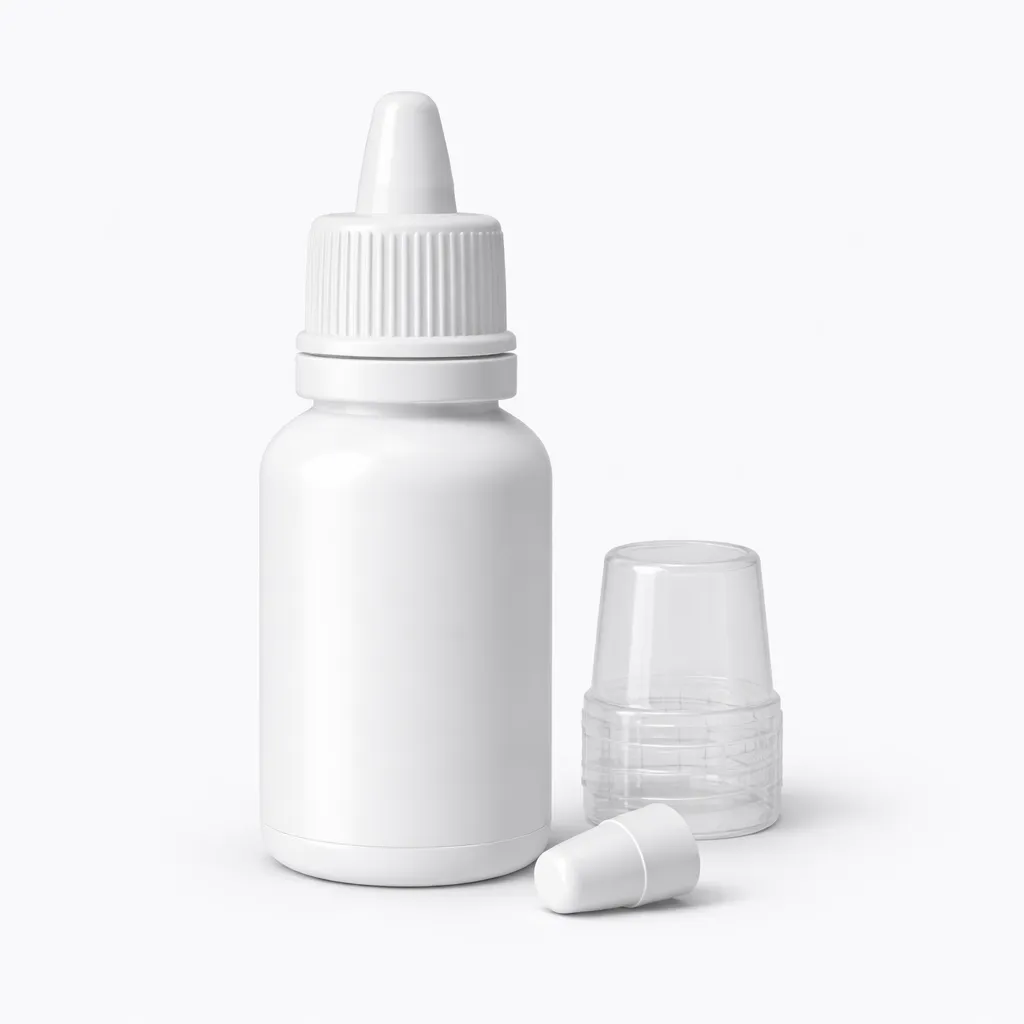
LATOPROST 0.005% EYE DROP
Indications
Latoprost 0.005% eye drops are primarily indicated for the reduction of intraocular pressure (IOP) in patients with open-angle glaucoma and ocular hypertension. Elevated IOP is a significant risk factor for the development of glaucoma, which can lead to irreversible vision loss if not managed appropriately. Latoprost is typically prescribed as part of a comprehensive treatment plan that may include other medications or surgical interventions, depending on the severity of the condition.
Mechanism of Action
Latoprost is a prostaglandin analog that works by increasing the outflow of aqueous humor, the fluid within the eye. It selectively binds to prostaglandin FP receptors in the ciliary body, leading to enhanced uveoscleral outflow. This mechanism effectively lowers IOP by facilitating the drainage of fluid from the eye, thereby reducing the pressure that can damage the optic nerve. The onset of action is generally observed within 1 to 2 hours after administration, with peak effects occurring around 6 to 12 hours post-application.
Pharmacological Properties
Latoprost is characterized by its high potency and selectivity for the FP receptor. It is rapidly absorbed through the cornea, and its bioavailability is enhanced due to its lipophilic nature. The drug undergoes extensive metabolism in the liver, primarily through beta-oxidation and glucuronidation, resulting in active metabolites that contribute to its therapeutic effects. The elimination half-life of latoprost is approximately 17 minutes, although its effects on IOP can last for up to 24 hours, allowing for once-daily dosing.
Contraindications
Latoprost eye drops are contraindicated in individuals with a known hypersensitivity to latoprost or any of the excipients in the formulation. Additionally, it should not be used in patients with active intraocular inflammation, such as uveitis, or in those with a history of herpetic keratitis, as it may exacerbate these conditions. Caution is advised in patients with a history of macular edema, including cystoid macular edema, as latoprost may increase the risk of this complication.
Side Effects
Common side effects associated with latoprost eye drops include ocular hyperemia (redness of the eye), stinging or burning sensation upon instillation, and changes in eyelash pigmentation and growth. Other reported side effects may include dry eyes, blurred vision, and foreign body sensation. Rare but serious side effects can include macular edema, retinal detachment, and allergic reactions. Patients should be advised to report any unusual symptoms to their healthcare provider promptly.
Dosage and Administration
The recommended dosage for latoprost 0.005% eye drops is one drop in the affected eye(s) once daily, preferably in the evening. It is important for patients to adhere to the prescribed dosing schedule to achieve optimal therapeutic outcomes. The eye drops should be administered in a sterile manner, avoiding contact between the dropper tip and any surface to prevent contamination. If a dose is missed, it should be taken as soon as remembered, but if it is close to the time of the next dose, the missed dose should be skipped. Patients should not double the dose to compensate for a missed one.
Interactions
Latoprost may interact with other medications used in the treatment of glaucoma. When used in conjunction with other topical ophthalmic agents, it is advisable to administer them at least five minutes apart to prevent dilution and ensure optimal absorption. There is limited systemic absorption of latoprost; however, caution should be exercised when used with systemic medications that may affect intraocular pressure or ocular health. Patients should inform their healthcare provider of all medications they are currently taking, including over-the-counter products and supplements.
Precautions
Before initiating treatment with latoprost, a comprehensive ocular examination should be performed to assess the patient’s baseline IOP and overall eye health. Patients with a history of contact lens wear should be advised to remove their lenses prior to instillation and wait at least 15 minutes before reinserting them. Special caution is warranted in patients with a history of cardiovascular disease, respiratory disorders, or hepatic impairment, as these conditions may influence the drug’s safety profile. Pregnant and breastfeeding women should discuss the risks and benefits of using latoprost with their healthcare provider, as the effects on fetal and neonatal health are not fully established.
Clinical Studies
Numerous clinical studies have demonstrated the efficacy of latoprost in reducing IOP in patients with open-angle glaucoma and ocular hypertension. A pivotal study published in the Journal of Glaucoma showed that latoprost significantly lowered IOP compared to baseline measurements and was well-tolerated by patients over a long-term treatment period. Additional studies have compared latoprost to other prostaglandin analogs and found it to be equally effective, with a favorable side effect profile. These findings support the use of latoprost as a first-line therapy in managing elevated IOP and highlight its role in preserving visual function in patients at risk for glaucoma-related vision loss.
Conclusion
Latoprost 0.005% eye drops represent an effective treatment option for individuals with elevated intraocular pressure due to open-angle glaucoma and ocular hypertension. Its unique mechanism of action, favorable pharmacological properties, and established efficacy make it a valuable addition to the therapeutic arsenal for managing these conditions. Patients should be educated about the proper use of latoprost, potential side effects, and the importance of adherence to prescribed therapy to achieve the best possible outcomes in their eye health.
Important
It is essential to use latoprost eye drops responsibly and under the guidance of a qualified healthcare professional. Patients should follow the prescribed dosage and report any adverse effects or concerns to their healthcare provider promptly.