
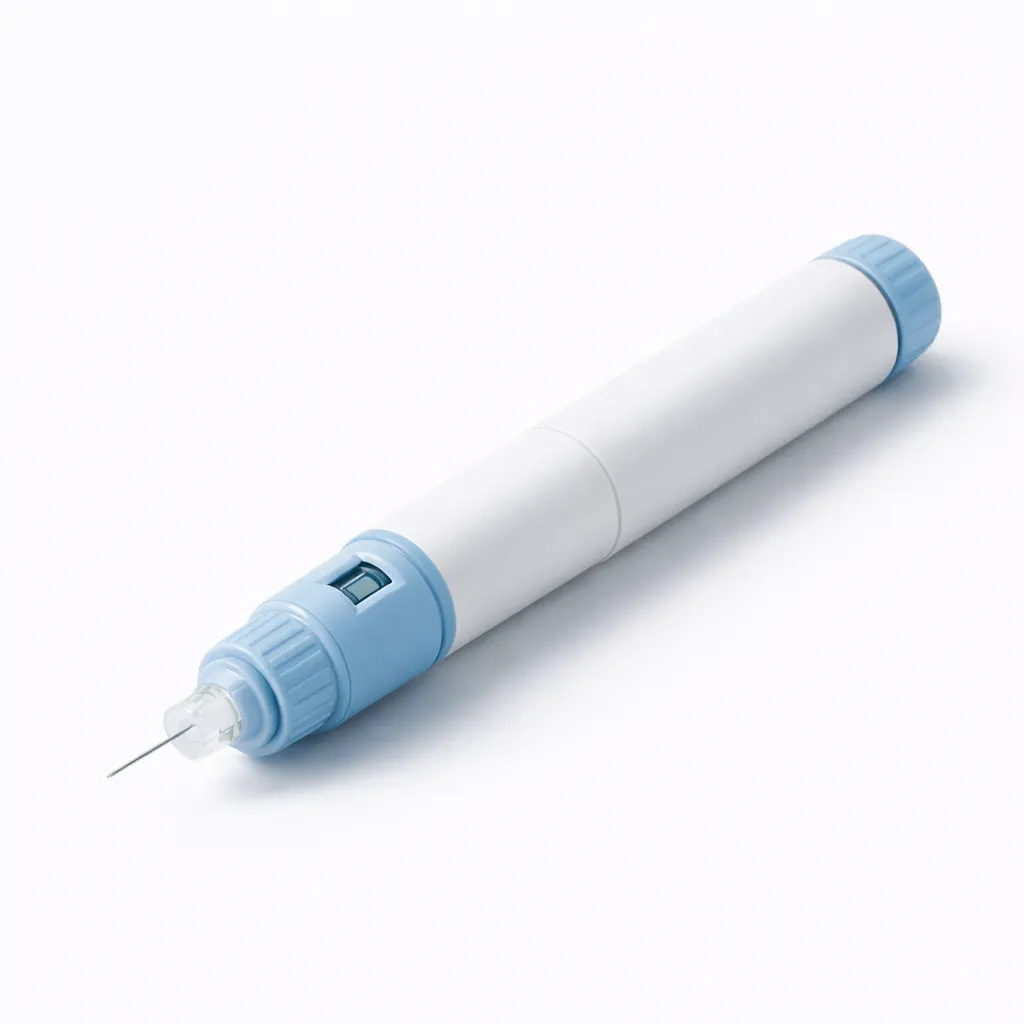
Description
LEVEMIR FLEX PEN 100IU 3ML
Indications
Levemir FlexPen (insulin detemir) is indicated for the management of diabetes mellitus in adults and children aged 2 years and older. It is used to control hyperglycemia in patients with type 1 diabetes and in patients with type 2 diabetes who require insulin therapy. Levemir can be used alone or in combination with oral antidiabetic agents.
Mechanism of Action
Levemir is a long-acting insulin analog that provides a steady level of insulin in the bloodstream, mimicking the basal insulin secretion of the pancreas. Insulin detemir is characterized by its ability to bind to albumin, which prolongs its action and provides a sustained release of insulin. This results in a gradual reduction of blood glucose levels, particularly in the fasting state, and helps to maintain glycemic control throughout the day.
Pharmacological Properties
Levemir has a pharmacokinetic profile that allows for a duration of action of up to 24 hours, making it suitable for once or twice-daily administration. The onset of action typically occurs within 1 to 2 hours, with a peak effect that is relatively flat, occurring between 6 to 8 hours post-injection. The pharmacodynamics of Levemir ensures that it helps to lower blood glucose levels effectively while minimizing the risk of hypoglycemia compared to shorter-acting insulins.
Contraindications
Levemir is contraindicated in patients who have a hypersensitivity to insulin detemir or any of the excipients in the formulation. It should not be used during episodes of hypoglycemia or in patients with diabetic ketoacidosis. Caution is advised when prescribing Levemir to patients with renal or hepatic impairment, as these conditions may affect insulin metabolism and clearance.
Side Effects
The most common side effects associated with Levemir include hypoglycemia, injection site reactions (such as redness, swelling, or itching), and weight gain. Other potential side effects may include allergic reactions, lipodystrophy at the injection site, and peripheral edema. Patients should be monitored for signs of hypoglycemia, especially during the initiation of therapy or when adjusting doses.
Dosage and Administration
Levemir is administered subcutaneously, typically once or twice daily, depending on the individual patient’s needs and blood glucose levels. The dosage should be individualized based on the patient’s blood glucose monitoring results, lifestyle, and insulin sensitivity. It is important to rotate injection sites to minimize the risk of lipodystrophy. Patients should be instructed on proper injection techniques and the importance of adherence to their prescribed regimen.
Interactions
Levemir may interact with various medications, which could either potentiate or diminish its hypoglycemic effect. Drugs that can increase the risk of hypoglycemia include oral hypoglycemic agents, beta-blockers, and certain antidepressants. Conversely, medications such as corticosteroids, thiazide diuretics, and sympathomimetics may lead to increased blood glucose levels. It is essential for healthcare providers to review all medications a patient is taking to avoid potential interactions.
Precautions
Patients using Levemir should be advised to monitor their blood glucose levels regularly to avoid both hyperglycemia and hypoglycemia. Special precautions should be taken in patients with a history of severe hypoglycemia, as well as those who experience significant changes in diet, exercise, or stress levels. Additionally, patients should be educated about the signs and symptoms of hypoglycemia and the appropriate actions to take if they occur.
Clinical Studies
Clinical trials have demonstrated the efficacy and safety of Levemir in managing blood glucose levels in patients with diabetes. In studies comparing Levemir to other long-acting insulins, it has been shown to provide comparable glycemic control with a lower incidence of nocturnal hypoglycemia. Furthermore, long-term studies indicate that Levemir is effective in maintaining glycemic control over extended periods, with a favorable safety profile.
Conclusion
Levemir FlexPen 100IU 3ML is a valuable therapeutic option for patients with diabetes mellitus, offering a reliable means of achieving and maintaining glycemic control. Its unique pharmacological properties, along with a favorable safety profile, make it an important component of diabetes management. As with any medication, it is essential for patients to work closely with their healthcare providers to ensure optimal use and to address any concerns regarding their treatment.
Important
Levemir should be used responsibly and only under the guidance of a healthcare professional. Patients are encouraged to adhere to their prescribed treatment plans and to communicate openly with their healthcare providers regarding any side effects or concerns.
