
Description
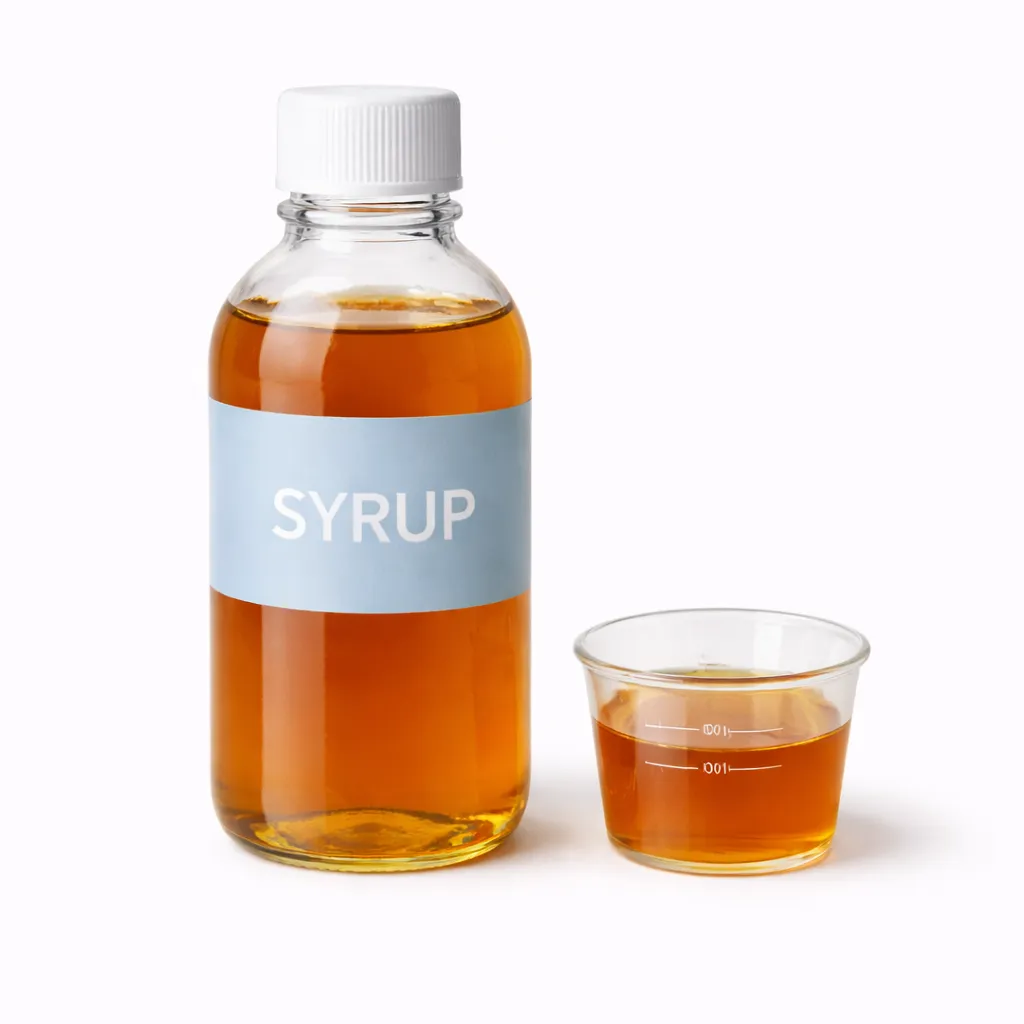
LEVERA SYRUP 100ML
Indications
Levera Syrup is primarily indicated for the management of epilepsy and seizure disorders. It is used as an adjunctive therapy in the treatment of partial-onset seizures, generalized tonic-clonic seizures, and myoclonic seizures in patients with epilepsy. The syrup formulation is particularly beneficial for pediatric patients or individuals who may have difficulty swallowing tablets. Levera Syrup is also indicated for patients who require a flexible dosing regimen, allowing for titration based on individual therapeutic needs.
Mechanism of Action
The active ingredient in Levera Syrup is Levetiracetam, which is believed to exert its antiepileptic effects through multiple mechanisms. Primarily, it binds to the synaptic vesicle protein SV2A, which is involved in neurotransmitter release. By modulating the release of excitatory neurotransmitters, Levetiracetam helps to stabilize neuronal activity and reduce the frequency of seizures. Additionally, it may enhance GABAergic inhibition and inhibit excitatory neurotransmission, contributing to its overall anticonvulsant effects.
Pharmacological Properties
Levetiracetam is characterized by its rapid absorption and distribution in the body. After oral administration, it reaches peak plasma concentrations within 1 to 2 hours. The bioavailability of Levetiracetam is approximately 100%, and it is not significantly affected by food intake. The drug is primarily eliminated through the kidneys, with about 66% of the dose being excreted unchanged in the urine. The elimination half-life of Levetiracetam is approximately 7 to 8 hours, allowing for twice-daily dosing in most patients. Its pharmacokinetic profile is linear, meaning that its plasma concentration increases proportionally with the dose.
Contraindications
Levera Syrup is contraindicated in patients who have a known hypersensitivity to Levetiracetam or any of the excipients in the formulation. Caution should be exercised in patients with a history of psychiatric disorders, as Levetiracetam has been associated with behavioral changes, including aggression and suicidal thoughts. It is also contraindicated in patients with severe renal impairment unless the dose is adjusted appropriately.
Side Effects
Common side effects associated with Levera Syrup include dizziness, somnolence, fatigue, and headache. Other less common but serious side effects may include mood swings, depression, and allergic reactions such as rash or angioedema. It is important for patients and caregivers to monitor for any significant changes in behavior or mood, especially during the initiation of therapy or dose adjustments. If severe side effects occur, medical attention should be sought immediately.
Dosage and Administration
The recommended starting dose of Levera Syrup for adults and children aged 16 years and older is typically 500 mg twice daily, which may be increased based on clinical response and tolerability. For children aged 4 to 15 years, the dose is usually calculated based on body weight, starting at 10 mg/kg/day divided into two doses. The maximum recommended dose for adults is 3000 mg per day. Levera Syrup can be taken with or without food, and it is important to adhere to the prescribed dosing schedule to maintain optimal therapeutic levels.
Interactions
Levera Syrup has a low potential for drug interactions due to its unique metabolic pathway. It is not significantly metabolized by the cytochrome P450 enzyme system, which reduces the likelihood of interactions with other medications that are substrates of these enzymes. However, caution should be exercised when co-administering Levetiracetam with other antiepileptic drugs, as they may require dosage adjustments. Additionally, concurrent use of medications that affect renal function may alter the clearance of Levetiracetam and necessitate careful monitoring.
Precautions
Prior to initiating treatment with Levera Syrup, a thorough medical history should be obtained, particularly regarding any history of renal impairment, psychiatric disorders, or previous allergic reactions to antiepileptic medications. Patients should be advised to avoid abrupt discontinuation of the medication, as this may increase the risk of seizure recurrence. Regular follow-up appointments are essential to monitor the patient’s response to therapy and to make any necessary adjustments to the treatment regimen.
Clinical Studies
Numerous clinical studies have demonstrated the efficacy and safety of Levetiracetam in the treatment of epilepsy. In randomized controlled trials, Levetiracetam has shown significant reductions in seizure frequency compared to placebo, with a favorable safety profile. A study published in the journal “Epilepsia” indicated that Levetiracetam was effective in reducing partial seizures in both adult and pediatric populations. Another study highlighted its efficacy in patients with refractory epilepsy, showing improved seizure control when added to existing antiepileptic therapy. These findings support the use of Levera Syrup as a valuable option in the management of epilepsy.
Conclusion
Levera Syrup 100ML is an effective and well-tolerated treatment option for patients suffering from epilepsy and seizure disorders. Its unique mechanism of action, favorable pharmacokinetic properties, and low potential for drug interactions make it a suitable choice for both pediatric and adult patients. As with any medication, careful monitoring and adherence to prescribed dosing are essential for achieving optimal therapeutic outcomes. Patients and caregivers should be educated about the potential side effects and the importance of maintaining regular follow-up appointments with healthcare providers.
Important
It is crucial to use Levera Syrup responsibly and under the guidance of a qualified healthcare professional. Patients should be aware of the importance of adhering to prescribed dosages and reporting any concerning side effects to their healthcare provider promptly.
