
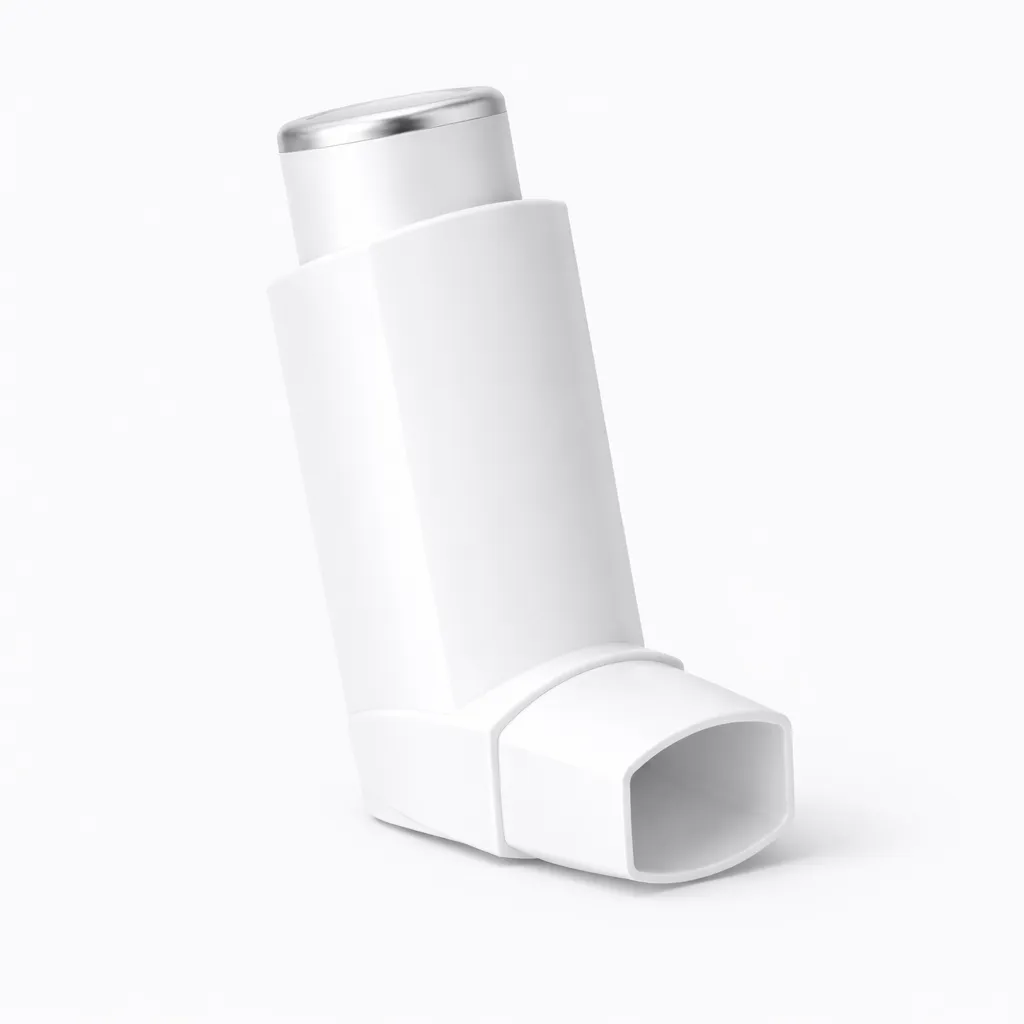
Description
LEVOLIN INHALER 50 MCG
Indications
Levolin Inhaler 50 mcg is primarily indicated for the treatment of bronchospasm associated with conditions such as asthma and chronic obstructive pulmonary disease (COPD). It is utilized as a bronchodilator to provide quick relief from acute respiratory distress and to improve airflow in patients experiencing bronchial constriction. The inhaler is particularly beneficial for individuals who require immediate relief from symptoms such as wheezing, shortness of breath, and chest tightness.
Mechanism of Action
The active ingredient in Levolin Inhaler is Levosalbutamol, a selective beta-2 adrenergic agonist. Upon inhalation, Levosalbutamol binds to beta-2 adrenergic receptors located in the smooth muscle of the airways. This binding activates adenylate cyclase, leading to an increase in cyclic AMP (cAMP) levels. Elevated cAMP results in relaxation of bronchial smooth muscle, thereby causing bronchodilation. This mechanism allows for improved airflow and relief from bronchospasm, making it an effective treatment option for patients with respiratory conditions.
Pharmacological Properties
Levosalbutamol is known for its rapid onset of action, typically within 15 minutes of administration, with a duration of effect lasting up to 6 hours. The pharmacokinetics of Levosalbutamol demonstrate that it is rapidly absorbed after inhalation, achieving peak plasma concentrations within 30 to 60 minutes. The drug is primarily metabolized in the liver and excreted via the kidneys. Its pharmacological profile makes it a preferred choice for patients needing fast-acting relief from bronchospasm.
Contraindications
Levolin Inhaler is contraindicated in patients with a known hypersensitivity to Levosalbutamol or any of the inhaler’s excipients. It should also be avoided in individuals with a history of severe allergic reactions, such as anaphylaxis, to beta-agonists. Caution is advised when prescribing this medication to patients with cardiovascular disorders, including arrhythmias, as well as those with hyperthyroidism, diabetes mellitus, or seizure disorders, due to the potential for exacerbating these conditions.
Side Effects
Common side effects associated with Levolin Inhaler may include tremors, headache, palpitations, and muscle cramps. Other potential side effects can involve nervousness, dizziness, and throat irritation. While most side effects are mild and transient, patients should be advised to seek medical attention if they experience severe reactions such as chest pain, severe headache, or signs of an allergic reaction, including rash, itching, or swelling. It is important for healthcare providers to monitor patients for any adverse effects, particularly during the initial stages of treatment.
Dosage and Administration
The recommended dosage of Levolin Inhaler for adults and children over the age of 4 is typically 1 to 2 inhalations (50 to 100 mcg) as needed for relief from acute bronchospasm. In general, the maximum dosage should not exceed 8 inhalations in a 24-hour period. For patients with more severe symptoms, a healthcare provider may adjust the dosage accordingly. It is essential that patients are instructed on the proper technique for using the inhaler to ensure optimal delivery of the medication to the lungs. Patients should be advised to shake the inhaler well before use and to exhale fully before inhaling the medication deeply.
Interactions
Levosalbutamol may interact with other medications, particularly those that also affect the cardiovascular system. Concurrent use of other beta-agonists can lead to additive effects, increasing the risk of cardiovascular side effects. Additionally, the use of Levolin with monoamine oxidase inhibitors (MAOIs) or tricyclic antidepressants may potentiate the cardiovascular effects of Levosalbutamol. Patients should inform their healthcare provider about all medications they are currently taking, including over-the-counter drugs and herbal supplements, to avoid potential drug interactions.
Precautions
Patients with pre-existing cardiovascular conditions, such as hypertension or arrhythmias, should use Levolin Inhaler with caution. It is also important to monitor patients with diabetes mellitus, as beta-agonists may cause an increase in blood glucose levels. Pregnant or breastfeeding women should consult their healthcare provider before using this medication to weigh the potential risks and benefits. Regular follow-up appointments are recommended to assess the efficacy of the treatment and to make any necessary adjustments to the medication regimen.
Clinical Studies
Clinical studies have demonstrated the efficacy of Levosalbutamol in providing rapid relief from bronchospasm in patients with asthma and COPD. In a randomized controlled trial, patients using Levolin Inhaler reported significant improvements in lung function and symptom relief compared to those receiving a placebo. Furthermore, studies have shown that Levosalbutamol has a favorable safety profile, with a lower incidence of side effects compared to other beta-agonists. These findings support the use of Levolin Inhaler as an effective treatment option for managing acute bronchospasm in various patient populations.
Conclusion
Levolin Inhaler 50 mcg is a valuable therapeutic option for patients suffering from bronchospasm due to asthma and COPD. Its rapid onset of action and effective bronchodilation capabilities make it a preferred choice for immediate relief of respiratory symptoms. However, it is essential for patients to use this medication responsibly, adhering to prescribed dosages and consulting healthcare providers regarding any concerns or adverse effects. With proper management, Levolin Inhaler can significantly enhance the quality of life for individuals with chronic respiratory conditions.
Important
Responsible use of Levolin Inhaler is crucial for ensuring optimal therapeutic outcomes. Patients should always follow their healthcare provider’s instructions and report any unusual symptoms or side effects promptly.
