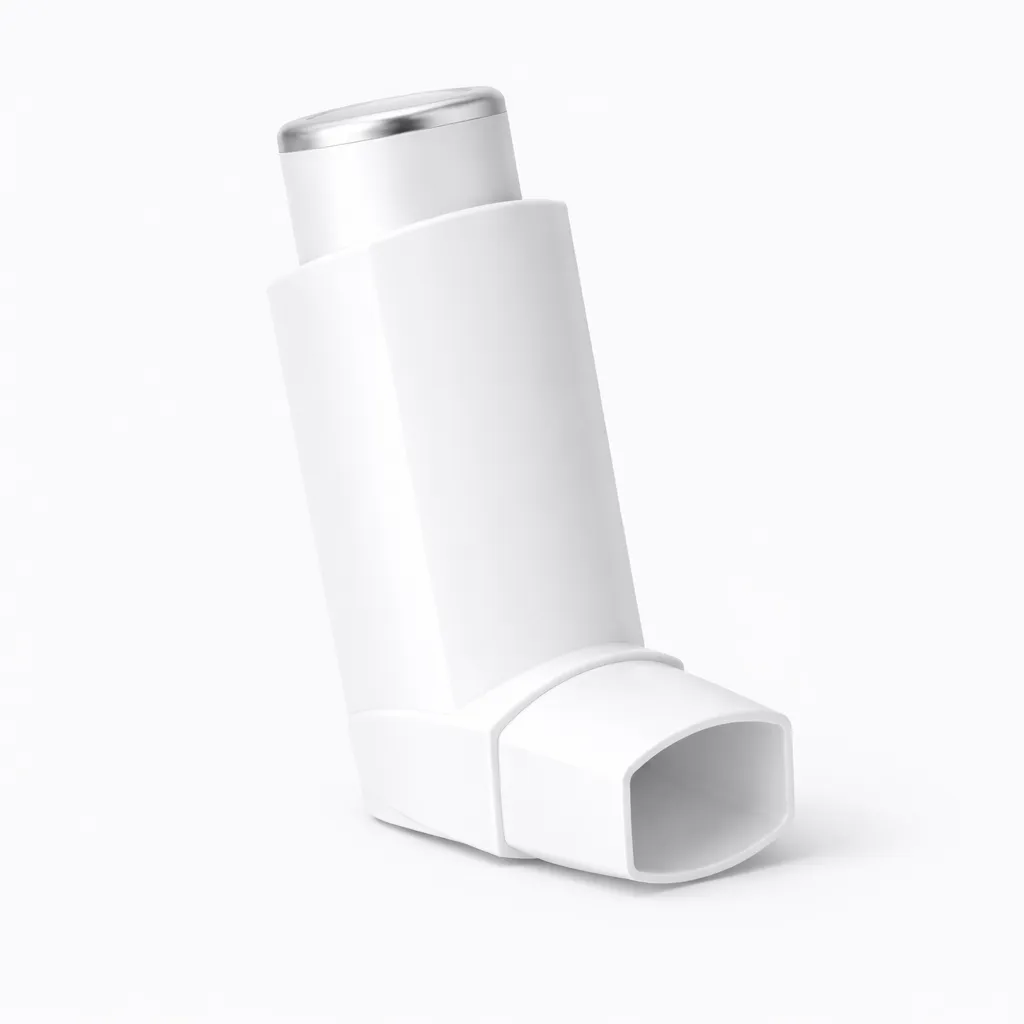
Description
LEVOLIN SYNCHRO BREATHE INHALER 120MD
Indications
Levolin Synchro Breathe Inhaler 120MD is primarily indicated for the treatment and management of bronchospasm associated with chronic obstructive pulmonary disease (COPD) and asthma. It is particularly useful for patients who experience difficulty in breathing due to constricted airways, as it provides rapid relief from acute symptoms. The inhaler is designed for use in adults and children aged 4 years and older, making it a versatile option for various age groups suffering from respiratory conditions.
Mechanism of Action
Levolin Synchro Breathe Inhaler contains levalbuterol, a selective beta-2 adrenergic agonist. Upon inhalation, levalbuterol binds to beta-2 adrenergic receptors in the bronchial smooth muscle, leading to bronchodilation. This process occurs through the activation of adenylate cyclase, which increases cyclic AMP levels in the cells. Elevated cyclic AMP results in the relaxation of bronchial smooth muscle, thus alleviating bronchospasm and improving airflow to the lungs. The onset of action is typically within minutes, providing quick relief for patients experiencing acute asthma or COPD symptoms.
Pharmacological Properties
Levalbuterol is characterized by its rapid onset and prolonged duration of action, making it an effective choice for managing bronchospasm. The pharmacokinetics of levalbuterol indicate that it reaches peak plasma concentrations within approximately 30 to 60 minutes after inhalation. The half-life of levalbuterol is about 5 to 6 hours, allowing for relatively infrequent dosing. Additionally, levalbuterol is less likely to cause cardiovascular side effects compared to non-selective beta agonists, making it a safer option for patients with pre-existing heart conditions.
Contraindications
Levolin Synchro Breathe Inhaler is contraindicated in patients with a known hypersensitivity to levalbuterol or any of the components of the inhaler. It should also be avoided in individuals who have experienced severe allergic reactions to other beta-agonists. Furthermore, the use of this inhaler is not recommended in patients with certain cardiovascular disorders, such as tachyarrhythmias, as it may exacerbate these conditions. Caution is advised when prescribing this medication to patients with hyperthyroidism, diabetes, or seizure disorders due to potential side effects.
Side Effects
Common side effects associated with the use of Levolin Synchro Breathe Inhaler may include tremors, headache, nervousness, and palpitations. Some patients may experience throat irritation or cough following inhalation. Less common but more serious side effects can include paradoxical bronchospasm, which is a worsening of breathing difficulties, and cardiovascular events such as increased heart rate or elevated blood pressure. Patients should be advised to seek medical attention if they experience any severe or persistent side effects.
Dosage and Administration
The recommended dosage for adults and children aged 4 years and older is 1 to 2 inhalations every 4 to 6 hours as needed. In some cases, a physician may prescribe up to 12 inhalations per day. It is crucial for patients to follow the prescribed dosage and not exceed the maximum daily limit. The inhaler should be used only as directed, and patients should be instructed on the proper technique to ensure effective delivery of the medication to the lungs. Regular monitoring of symptoms is also essential to determine if the medication is adequately controlling the patient’s condition.
Interactions
Levalbuterol may interact with other medications, particularly those that also affect the cardiovascular system. Co-administration with other beta-agonists can increase the risk of cardiovascular side effects. Additionally, the use of monoamine oxidase inhibitors (MAOIs) or tricyclic antidepressants may potentiate the effects of levalbuterol, leading to increased heart rate and blood pressure. Patients should inform their healthcare provider of all medications they are taking, including over-the-counter drugs and supplements, to avoid potential interactions.
Precautions
Patients using Levolin Synchro Breathe Inhaler should be monitored for any signs of worsening respiratory symptoms or the need for increased use of the inhaler, as this may indicate a deterioration of their underlying condition. It is essential to educate patients about the importance of not using the inhaler more frequently than prescribed. Additionally, caution should be exercised in patients with cardiovascular diseases, seizures, or hyperthyroidism, as they may be more susceptible to the side effects of beta-agonists. Pregnant or breastfeeding women should consult their healthcare provider before using this inhaler.
Clinical Studies
Clinical studies have demonstrated the efficacy of levalbuterol in managing bronchospasm in patients with asthma and COPD. In a randomized, double-blind study, levalbuterol was shown to provide significant improvements in lung function compared to placebo, with a rapid onset of action and sustained bronchodilation over the treatment period. Another study highlighted the reduced incidence of cardiovascular side effects with levalbuterol compared to traditional beta-agonists, making it a preferred choice for patients with comorbid conditions. These findings support the use of Levolin Synchro Breathe Inhaler as a safe and effective option for managing respiratory conditions.
Conclusion
Levolin Synchro Breathe Inhaler 120MD is a valuable therapeutic option for individuals suffering from bronchospasm due to asthma or COPD. Its rapid action and selective mechanism make it a preferred choice for many patients. However, appropriate use, adherence to prescribed dosages, and awareness of potential side effects are crucial for maximizing therapeutic benefits. Patients should maintain open communication with their healthcare providers to ensure optimal management of their respiratory conditions.
Important
It is essential to use Levolin Synchro Breathe Inhaler responsibly and as directed by a healthcare professional. Misuse or overuse of this medication can lead to adverse effects and worsening of respiratory conditions. Always consult with a healthcare provider for personalized advice and treatment options.