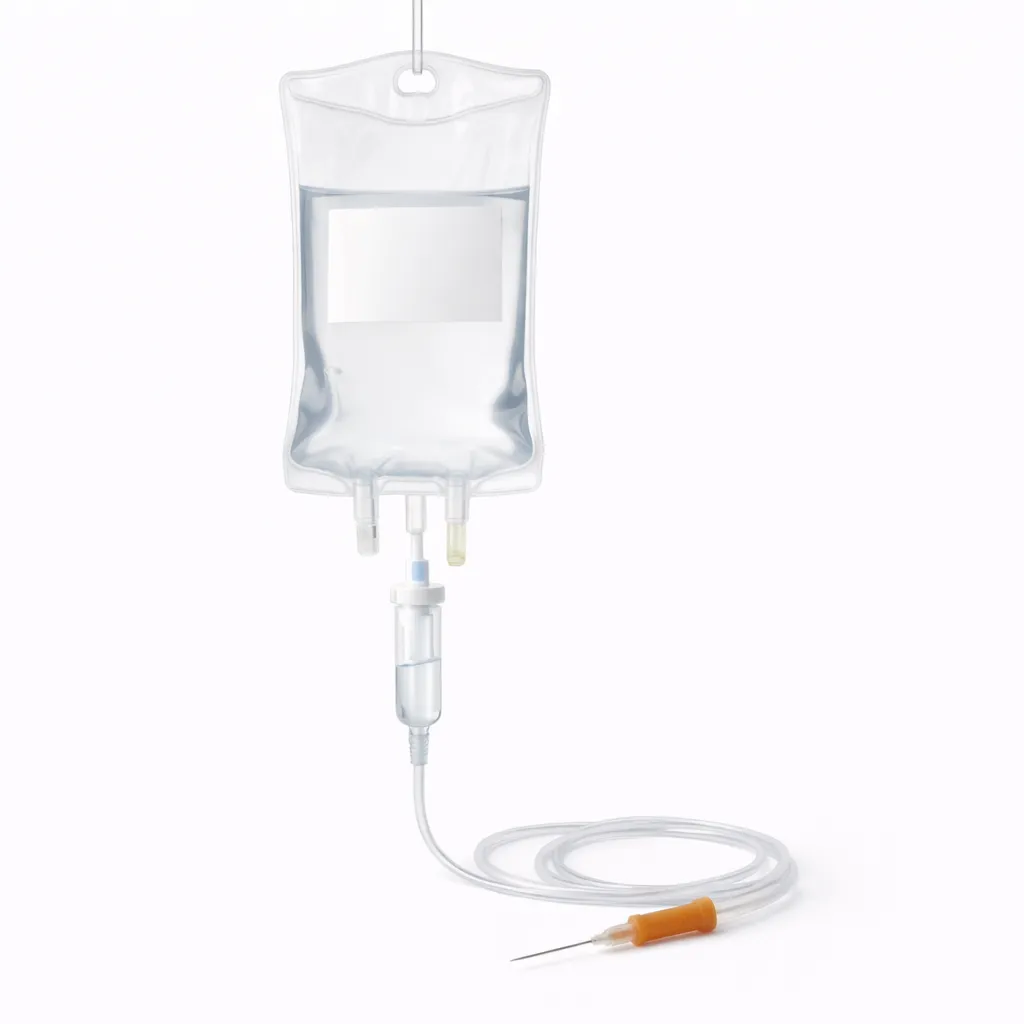
Description
LINEZOL 600MG
Indications
LINEZOL 600MG is an antibiotic medication primarily indicated for the treatment of various serious infections caused by Gram-positive bacteria, particularly those resistant to other antibiotics. It is commonly used in cases of complicated skin and skin structure infections, pneumonia, and infections associated with methicillin-resistant Staphylococcus aureus (MRSA). Additionally, LINEZOL may be indicated for the treatment of vancomycin-resistant Enterococcus (VRE) infections. Its use is often reserved for situations where other treatment options are ineffective or inappropriate due to resistance patterns.
Mechanism of Action
LINEZOL belongs to the oxazolidinone class of antibiotics and exerts its antibacterial effect through the inhibition of bacterial protein synthesis. It specifically binds to the 23S ribosomal RNA of the 50S subunit of the bacterial ribosome, preventing the formation of the initiation complex that is necessary for protein synthesis. This action disrupts the production of essential proteins required for bacterial growth and replication, ultimately leading to bacterial cell death. LINEZOL is effective against a broad range of Gram-positive organisms, including those that are resistant to other antibiotic classes.
Pharmacological Properties
LINEZOL is well-absorbed after oral administration, with bioavailability exceeding 90%. It is widely distributed in body tissues and fluids, including lung tissue, making it particularly effective for respiratory infections. The drug is metabolized in the liver through oxidation and conjugation, and its metabolites are primarily excreted in the urine. The elimination half-life of LINEZOL ranges from 4 to 6 hours, allowing for twice-daily dosing in most cases. Importantly, LINEZOL does not exhibit cross-resistance with other antibiotic classes, making it a valuable option in the face of rising antibiotic resistance.
Contraindications
LINEZOL is contraindicated in patients with a known hypersensitivity to linezolid or any of its components. Caution is advised in patients with a history of serotonin syndrome, as LINEZOL can interact with serotonergic agents. Additionally, it is not recommended for use in patients with uncontrolled hypertension or those receiving monoamine oxidase inhibitors (MAOIs) within the last 14 days, due to the risk of hypertensive crisis.
Side Effects
Common side effects of LINEZOL include gastrointestinal disturbances such as nausea, diarrhea, and vomiting. Other potential adverse effects include headache, dizziness, and insomnia. More serious side effects may occur, including myelosuppression, which can lead to thrombocytopenia, leukopenia, or anemia. Patients should be monitored for signs of peripheral neuropathy or lactic acidosis, particularly with prolonged use. The risk of serotonin syndrome should also be considered in patients taking other serotonergic medications.
Dosage and Administration
The recommended dosage of LINEZOL for adults is typically 600 mg administered every 12 hours, either orally or intravenously, depending on the severity of the infection and patient-specific factors. Treatment duration varies based on the type of infection, generally ranging from 10 to 14 days. For pediatric patients, dosing is weight-based, and healthcare providers should refer to specific guidelines for appropriate administration. It is essential to complete the full course of therapy as prescribed, even if symptoms improve before the treatment is finished.
Interactions
LINEZOL has the potential to interact with several medications, particularly those that affect serotonin levels. Co-administration with serotonergic agents such as selective serotonin reuptake inhibitors (SSRIs), tricyclic antidepressants, or certain analgesics can increase the risk of serotonin syndrome. Additionally, LINEZOL may enhance the effects of adrenergic agents, necessitating careful monitoring of blood pressure in patients receiving such treatments. It is crucial for healthcare providers to review a patient’s complete medication list to identify potential interactions before initiating LINEZOL therapy.
Precautions
Prior to starting LINEZOL, a thorough medical history should be taken to identify any contraindications or potential risks. Special caution is warranted in patients with a history of hypertension, those with renal or hepatic impairment, and in the elderly population, who may be more susceptible to adverse effects. Regular monitoring of complete blood counts is recommended during prolonged therapy to detect any hematological abnormalities early. Patients should also be counseled about the signs and symptoms of serotonin syndrome and advised to seek immediate medical attention if they experience any concerning symptoms.
Clinical Studies
Numerous clinical studies have established the efficacy of LINEZOL in treating resistant Gram-positive infections. One pivotal study demonstrated that LINEZOL was as effective as vancomycin in treating complicated skin and soft tissue infections caused by MRSA. Another study highlighted its effectiveness in treating hospital-acquired pneumonia caused by resistant strains of Staphylococcus aureus. These studies underscore the importance of LINEZOL as a therapeutic option in the face of increasing antibiotic resistance and the need for effective treatment alternatives.
Conclusion
LINEZOL 600MG is a critical antibiotic in the treatment of serious infections caused by resistant Gram-positive bacteria. Its unique mechanism of action, broad spectrum of activity, and favorable pharmacokinetic profile make it a valuable tool in the fight against antibiotic resistance. However, careful consideration of contraindications, potential interactions, and monitoring for side effects is essential to ensure safe and effective use. As antibiotic resistance continues to pose a significant challenge in clinical practice, LINEZOL remains an important option for healthcare providers managing complex infections.
Important
Responsible use of LINEZOL is essential to minimize the risk of developing antibiotic resistance. Patients should adhere strictly to prescribed dosages and complete the full course of therapy as directed by their healthcare provider.