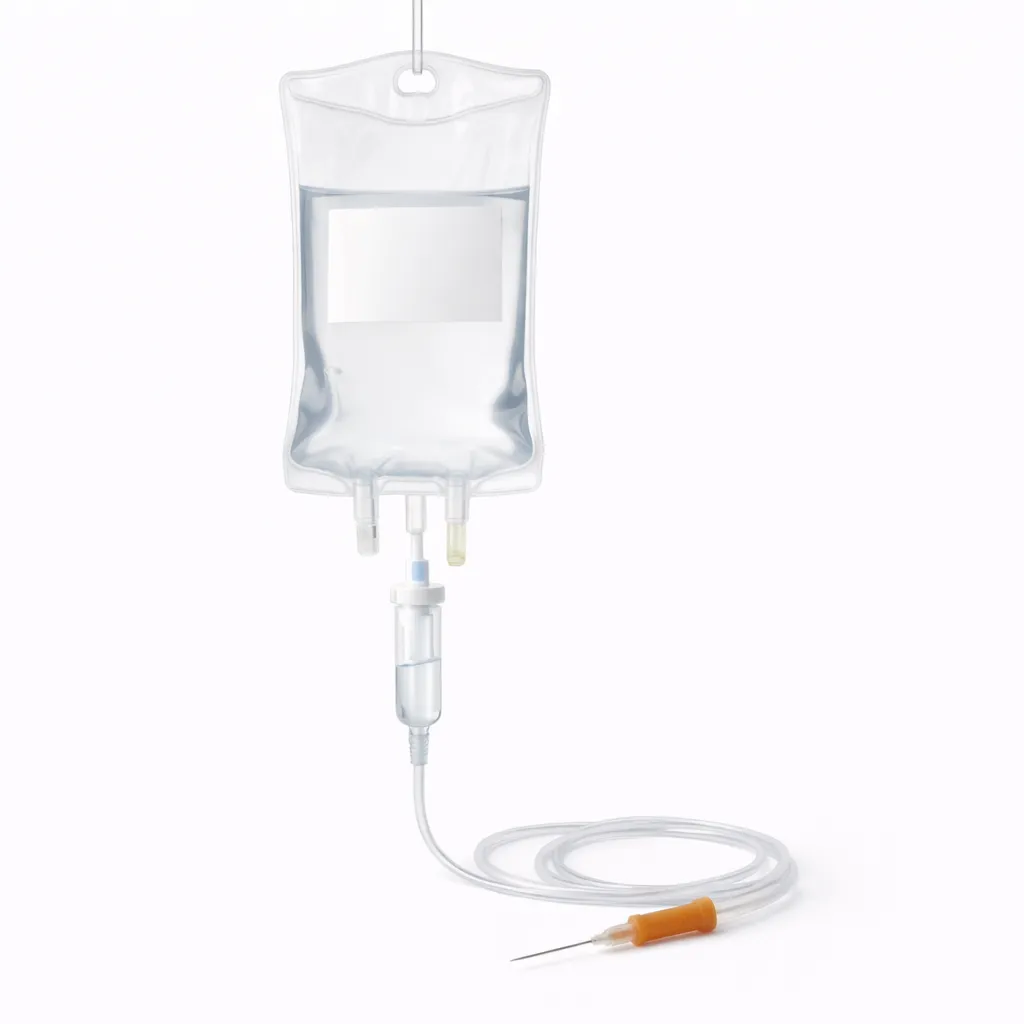
Description
LQUIN 250 MG
Indications
LQUIN 250 MG is primarily indicated for the treatment of various bacterial infections. It is effective against a broad spectrum of gram-positive and gram-negative bacteria, making it suitable for conditions such as respiratory tract infections, skin and soft tissue infections, urinary tract infections, and certain types of gastrointestinal infections. The drug is often prescribed when other antibiotics are ineffective or when the causative organism is known to be susceptible to LQUIN.
Mechanism of Action
The active ingredient in LQUIN 250 MG is a fluoroquinolone antibiotic. It works by inhibiting bacterial DNA gyrase and topoisomerase IV, enzymes that are crucial for bacterial DNA replication, transcription, and repair. By disrupting these processes, LQUIN effectively halts bacterial growth and replication, leading to the eradication of the infection. This mechanism allows LQUIN to target a wide range of bacteria, making it a versatile option in antibiotic therapy.
Pharmacological Properties
LQUIN 250 MG exhibits several pharmacological properties that contribute to its effectiveness as an antibiotic. It has a high oral bioavailability, allowing for effective absorption and distribution throughout the body. The drug is primarily excreted through the kidneys, which necessitates caution in patients with renal impairment. LQUIN has a half-life that supports once or twice-daily dosing, enhancing patient compliance. Additionally, it possesses excellent tissue penetration, ensuring that adequate drug concentrations are achieved at the site of infection.
Contraindications
LQUIN 250 MG is contraindicated in patients with a known hypersensitivity to fluoroquinolones or any of the components of the formulation. It should also be avoided in individuals with a history of tendon disorders related to fluoroquinolone use. Caution is advised in patients with a history of seizures, as fluoroquinolones may lower the seizure threshold. Pregnant and breastfeeding women should consult their healthcare provider before using this medication, as the safety profile in these populations has not been fully established.
Side Effects
Like all medications, LQUIN 250 MG may cause side effects. Common adverse reactions include gastrointestinal disturbances such as nausea, vomiting, diarrhea, and abdominal pain. Central nervous system effects may also occur, including dizziness, headache, and insomnia. Rare but serious side effects include tendon rupture, particularly in older adults and those on concurrent corticosteroid therapy. Other severe reactions can include hypersensitivity reactions, liver enzyme elevation, and QT interval prolongation. Patients should be advised to report any unusual symptoms to their healthcare provider promptly.
Dosage and Administration
The recommended dosage of LQUIN 250 MG varies depending on the type and severity of the infection. For adults, the typical dosage ranges from 250 mg to 750 mg, administered once or twice daily. It is essential to take the medication with a full glass of water and to maintain adequate hydration during treatment. The duration of therapy usually lasts from 5 to 14 days, depending on the clinical response and the specific infection being treated. It is crucial to complete the full course of antibiotics as prescribed, even if symptoms improve before finishing the medication.
Interactions
LQUIN 250 MG may interact with several other medications, which can affect its efficacy or increase the risk of adverse effects. Concurrent use of antacids, sucralfate, or supplements containing magnesium, aluminum, or iron can reduce the absorption of LQUIN, leading to decreased effectiveness. Caution should also be exercised when using LQUIN with other drugs that prolong the QT interval, such as certain antiarrhythmics and antipsychotics, as this may increase the risk of serious cardiac arrhythmias. Always inform your healthcare provider of all medications and supplements you are taking to avoid potential interactions.
Precautions
Before starting treatment with LQUIN 250 MG, it is important to assess the patient’s medical history, particularly regarding renal function, history of seizures, and any previous reactions to antibiotics. Patients should be monitored for signs of tendon pain or inflammation, especially in those over 60 years of age or those taking corticosteroids. Additionally, patients should be advised to avoid excessive exposure to sunlight or UV light, as LQUIN can increase photosensitivity. Regular follow-up appointments may be necessary to monitor for efficacy and any potential side effects during treatment.
Clinical Studies
Clinical studies have demonstrated the efficacy of LQUIN 250 MG in treating various bacterial infections. In randomized controlled trials, LQUIN has shown comparable efficacy to other standard antibiotics with a favorable safety profile. Studies indicate that patients treated with LQUIN experience significant improvement in symptoms and a higher rate of clinical cure compared to placebo. Meta-analyses have also suggested that LQUIN is effective in treating complicated urinary tract infections and respiratory tract infections, reinforcing its role as a valuable therapeutic option in the antibiotic arsenal.
Conclusion
LQUIN 250 MG is a broad-spectrum fluoroquinolone antibiotic indicated for the treatment of various bacterial infections. Its mechanism of action, pharmacological properties, and clinical efficacy make it a valuable option in antibiotic therapy. However, careful consideration of contraindications, potential side effects, and drug interactions is essential to ensure safe and effective use. Patients should always follow their healthcare provider’s instructions and report any concerning symptoms during treatment.
Important
Responsible use of antibiotics is crucial to prevent the development of antibiotic resistance. Always use LQUIN 250 MG as prescribed by your healthcare provider and do not share it with others. If you have any questions or concerns regarding your treatment, consult your healthcare professional.